Trustpilot

Next Day Delivery*

Shop online & earn loyalty points

Your order time cut by 42%*

How Packaging Problems Drive Hidden Costs

Caitlyn Sims

The Cost of Packaging Problems in Your Supply Chain (and How to Prevent Them)

Packaging is involved in every stage of the supply chain, yet it’s often treated as a final step. When packaging isn’t fit for purpose, the impact is rarely obvious at first. Instead, small inefficiencies build quietly, creating delays, disruption, and avoidable cost across operations.

From slow packing lines to damaged goods and missed dispatch cut-offs, packaging problems don’t stay contained. They ripple through warehousing, transport, customer experience, and margins.

The reality is simple: packaging should support the supply chain, not disrupt it.

How Packaging Problems Show Up in the Supply Chain

Most businesses don’t notice packaging issues because they don’t arrive as a single failure. Instead, they appear as “normal” operational friction.

Common signs include:

  • Packing lines slowing down under pressure
  • Products arriving damaged more often than expected
  • Excessive void fill and oversized cartons inflating shipping costs
  • Rework, replacements, and returns becoming routine
  • Teams rushing, improvising, or adapting around poor packaging


These issues are rarely caused by staff, systems, or demand alone. More often, they point back to packaging that hasn’t been designed around the product, process, or scale of the operation.

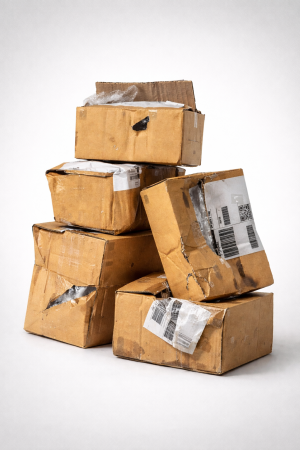
Stack of crushed and damaged cardboard boxes with torn labels, showing the impact of poor packaging on deliveries

The Hidden Costs of Getting Packaging Wrong

Packaging problems rarely show up as a clear line item, but they leak cost everywhere.

1. Slower Packing and Fulfilment Delays

When packaging is awkward to assemble, poorly sized, or inconsistent, packing speed drops. Extra handling, more steps, and excessive void fill all slow the line. During busy periods, these delays compound, leading to missed cut-offs and growing pressure on teams.

2. Increased Damage, Returns, and Rework

Inadequate protection leads to product movement in transit, friction, impact, and damage that could have been prevented. What feels like “acceptable” damage rates are often a sign that packaging was never right in the first place. Returns, replacements, and reverse logistics quickly become one of the most expensive consequences of poor packaging decisions.

3. Higher Transport and Storage Costs

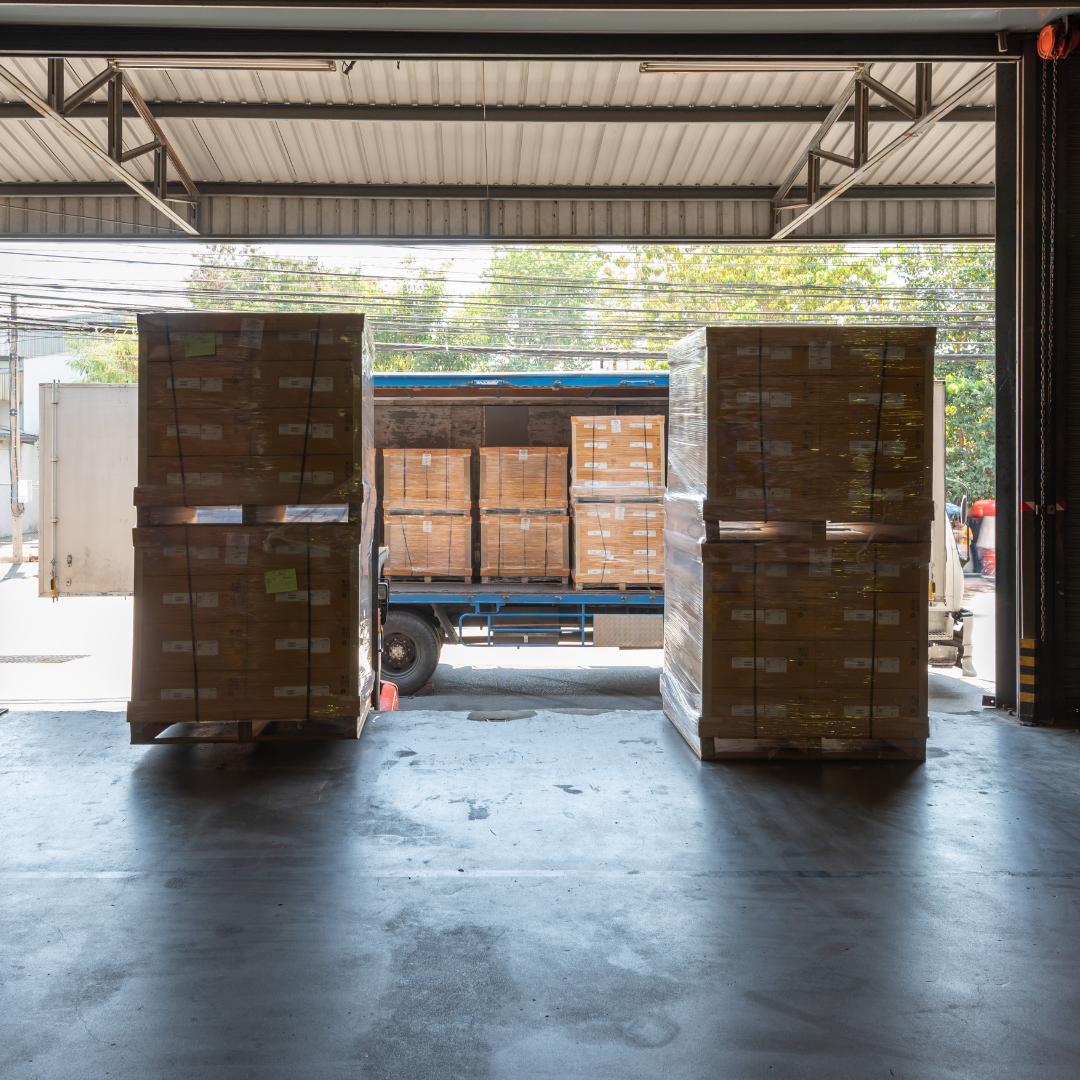
Oversized cartons waste space in warehouses, on pallets, and in vehicles. Shipping air costs money. Poor palletisation increases handling time and reduces load efficiency, raising costs without adding value.

4. Disruption During Peak Periods

Peak demand exposes weak packaging fast. Processes that “just about work” under normal volumes often fail under pressure, creating bottlenecks, rushed decisions, and compromised protection when it matters most.

Why Packaging Shouldn’t Be a Source of Disruption

Packaging isn’t just about protection, it’s about flow.

Good packaging:

  • Keeps packing lines moving
  • Reduces handling and decision-making
  • Protects products consistently
  • Supports predictable, repeatable processes


When packaging is designed with the supply chain in mind, it becomes a stabiliser, not a variable.

Boxes on a conveyor in a warehouse setting.

How to Prevent Packaging Problems in Your Supply Chain

The good news is that most packaging issues are preventable with the right approach.

1. Design Packaging Around the Operation, Not Just the Product

Packaging should reflect how products are picked, packed, stored, and shipped. That means considering speed, consistency, and pressure, not just dimensions.

2. Focus on Total Cost, Not Unit Price

Cheaper packaging often costs more once damage, waste, labour, and transport are factored in. Right-sized, fit-for-purpose solutions frequently reduce total cost even if the unit price is higher.

3. Remove Unnecessary Steps

If a pack requires extra assembly, excessive void fill, or manual workarounds, it will slow the line. Simpler packs create faster, more reliable outcomes, especially at scale.

4. Review Packaging as Volumes Change

Packaging that worked last year may not work today. Growth, new products, seasonal spikes, and automation all change requirements. Regular reviews prevent small issues becoming embedded problems.

Packaging as a Supply Chain Advantage

At KB Packaging, we see packaging not as a commodity, but as an operational decision. The right packaging protects margins, keeps fulfilment predictable, and removes friction across the supply chain.

When packaging is designed properly, delays and disruption don’t become “part of the process”, they disappear.

Is your packaging supporting your supply chain — or quietly adding cost?
Talk to us about packaging designed to reduce delays, damage, and disruption.

Share this post

Facebook
Twitter
LinkedIn

More Posts

See more posts

Sign up to receive exclusive offers and packaging tips.

Subscribe for promotions, special offers and news from the packaging industry.

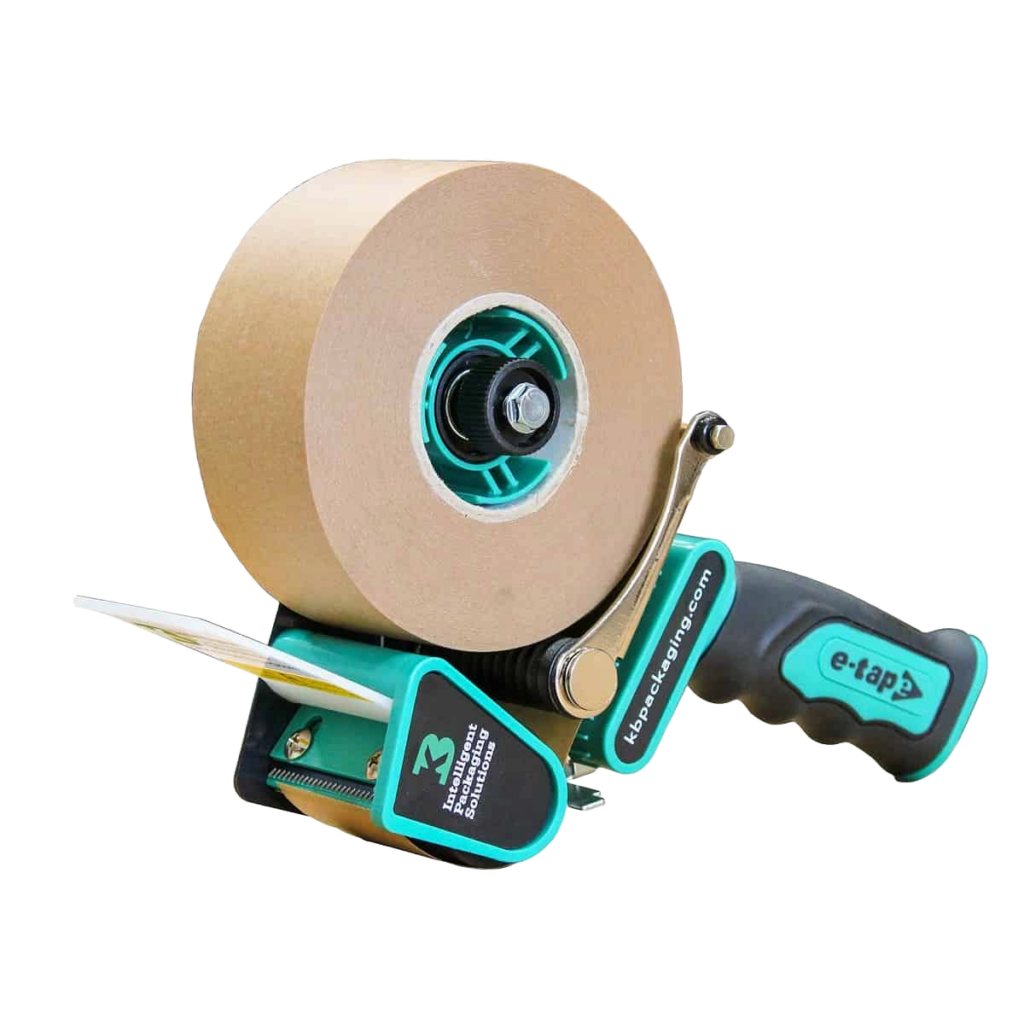
LIMITED TIME OFFER – FREE TAPE DISPENSERS!

Buy 10 boxes of E-Tape and receive 2 FREE Tape Dispensers – perfect for faster, easier packing.

✅ Premium quality E-Tape
✅ Smooth, reliable dispensing
✅ Ideal for warehouses, packing stations & shipping teams

Use Coupon Code:
FREETAPE10