Lay Flat Tubing Applications and Benefits Explained
Lay flat tubing is a versatile polythene material used to create custom-sized bags by cutting and sealing it to length. It is valued for its flexibility, strength, and ability to protect items of various shapes and sizes, making it a practical choice across packaging, manufacturing, and storage industries. Its design allows efficient packaging of long or irregularly shaped objects while providing durability and resistance to tears and punctures.
Available in multiple widths, thicknesses, and grades, lay flat tubing adapts to different packaging needs, from light food wrapping to heavy-duty industrial use. This tubing often comes on rolls, making it easy to measure and customise bags on demand, streamlining packaging processes without excess waste. Users appreciate the convenience and cost-effectiveness it offers compared to pre-made bags.
Manufacturers also provide options with anti-static properties or specialised materials to meet specific protection requirements. This adaptability ensures lay flat tubing remains a reliable solution for businesses aiming to safeguard products while maintaining operational efficiency.
What Is Lay Flat Tubing?
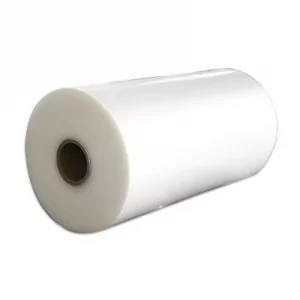
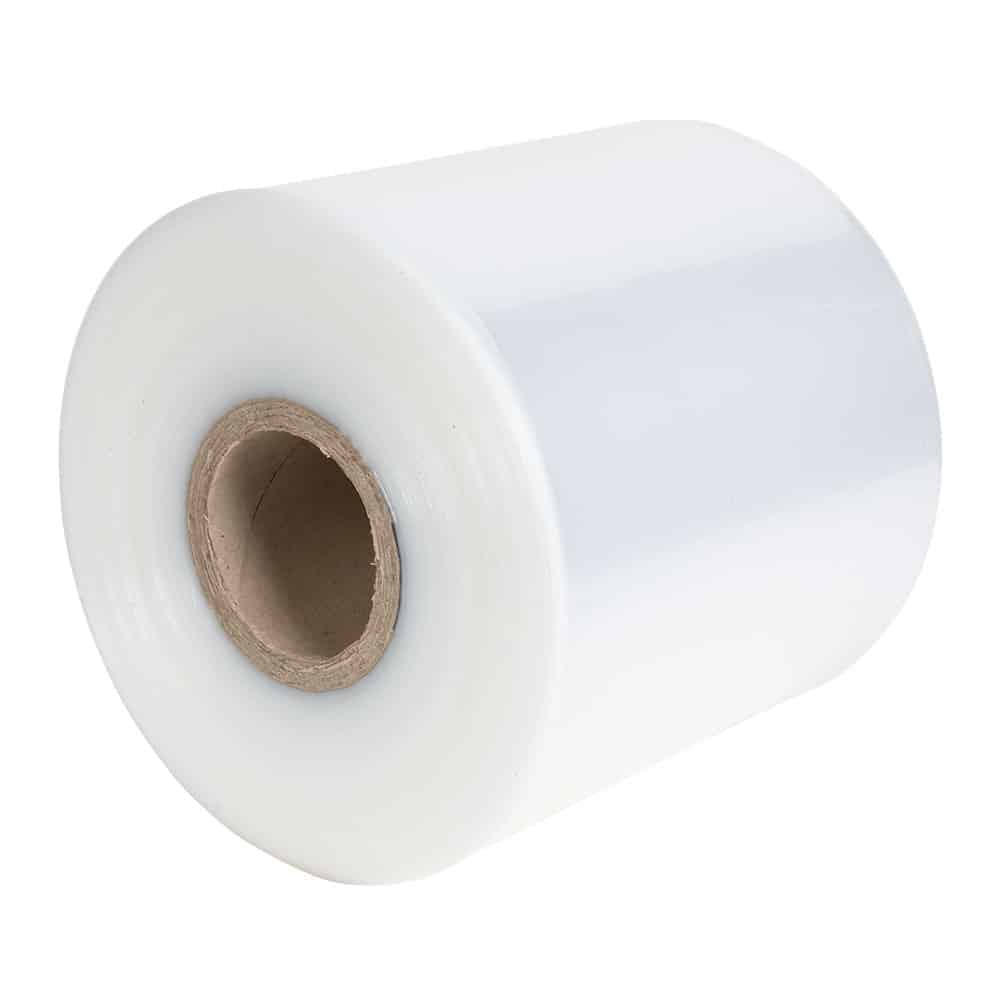
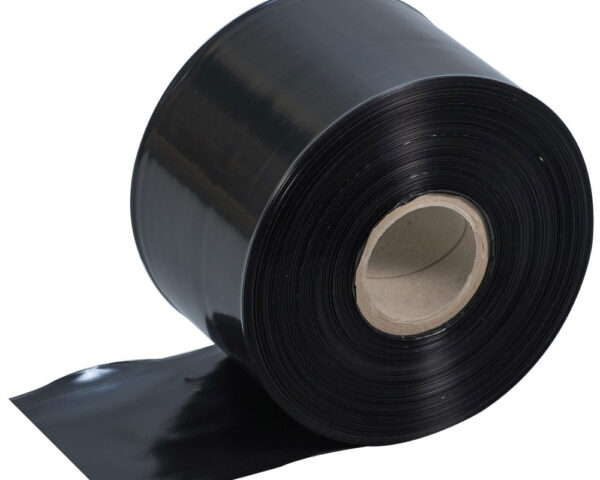
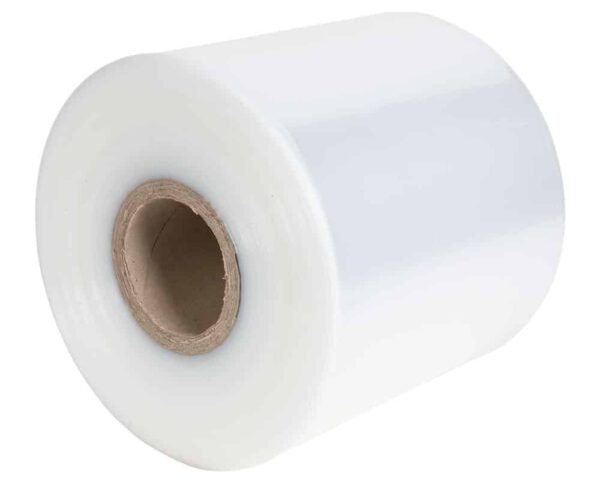
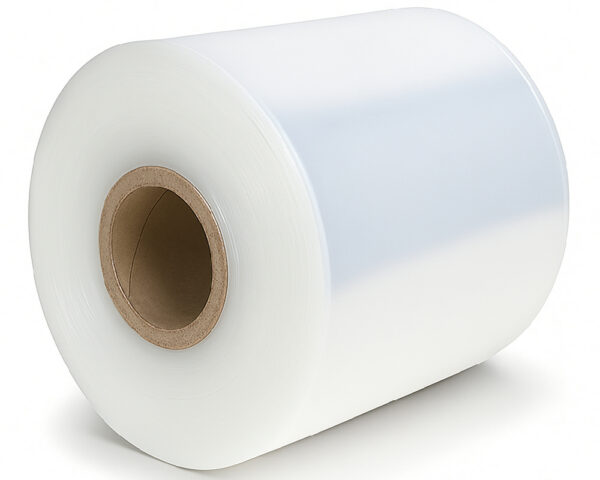
Lay flat tubing is a continuous, seamless plastic tube flattened and rolled onto spools for easy handling. It is commonly used for packaging and protective applications due to its flexibility and customisable length. The material, dimensions, and core characteristics make it suitable for various industries and uses.
Core Features
Lay flat tubing is made from a seamless, continuous tube of plastic, usually polythene. This seamless construction reduces weak points and the risk of splitting during use. It is flattened and wound onto reels, allowing users to cut it to any length needed.
The tubing can be heat-sealed, taped, stapled, or tied at the ends, which makes it ideal for creating custom-sized bags. Its flexibility accommodates irregularly shaped or bulky items that standard bags cannot easily wrap. The material’s durability supports both manual and automated packaging operations.
Types of Materials
The most common material for lay flat tubing is polythene, chosen for its strength, flexibility, and moisture resistance. Variations include low-density polyethylene (LDPE) and high-density polyethylene (HDPE), each with different thicknesses and toughness.
Some manufacturers produce lay flat tubing with specific additives for UV resistance, anti-static properties, or enhanced clarity. These specialised materials extend the tubing’s applications, such as outdoor use or packaging electronics. The choice of material depends on the intended use and required durability.
Size Options
Lay flat tubing comes in a range of widths and thicknesses (gauges) to suit diverse packaging needs. Widths vary widely, from a few centimeters for small items to over a meter for large or bulky products. Thickness ranges typically from 30 microns to 200 microns or more.
Widths and gauges are selected based on the weight, shape, and level of protection required. Tubing sold on reels allows cutting to length, minimising waste and inventory. Many suppliers offer custom sizes to match specific packaging demands.
Common Applications of Lay Flat Tubing
Lay flat tubing serves a wide range of purposes due to its flexible, durable, and customisable design. It can be adapted for precise packaging needs, various industrial tasks, and specific agricultural functions, making it a versatile material across multiple sectors.
Packaging Solutions
Lay flat tubing is widely used for packaging long, narrow, or irregularly shaped items. It can be cut to custom lengths and sealed with heat, staples, or tape, creating made-to-measure bags without the need for stocking various sizes.
Its food-grade quality allows it to package fresh produce, seafood, and portion-controlled meat safely. Transparent properties help showcase products visually, enhancing consumer appeal while maintaining hygiene during storage and transport.
Different sealing methods ensure secure containment, making lay flat tubing ideal for applications requiring tailored packaging that protects and preserves product integrity.
Industrial Uses
In industrial settings, lay flat tubing provides a cost-effective alternative for protective packaging of items with awkward dimensions. It is frequently employed to wrap and shield components during shipping or storage, minimising damage.
Its chemical inertness and strength make it suitable for temporary ducting and containment solutions where flexibility is crucial. The tubing’s ultra-thin walls offer durability while allowing lightweight packaging options.
Custom sizes and a range of thicknesses accommodate various industrial requirements, from delicate electronics to heavy mechanical parts, providing adaptable protection without bulk.
Agricultural Purposes
Lay flat tubing is effective for agricultural irrigation systems by replacing rigid pipes with flexible polythene tubing. This adaptability allows easy installation and modification of watering setups.
It is also used to package and transport agricultural products safely, reducing contamination risk. In farming contexts, its customisable lengths and resistance to environmental factors extend its usefulness beyond simple packaging.
The tubing’s flexibility supports temporary on-farm solutions, enhancing both operational efficiency and product protection during harvesting and distribution.
Benefits of Lay Flat Tubing
Lay flat tubing offers practical advantages in packaging, storage, and shipping. It optimises storage space, reduces packaging costs, and provides reliable protection for various products, especially oddly shaped or delicate items.
Space Efficiency
Lay flat tubing is stored on reels, which occupy minimal space compared to pre-made bags or rigid containers. This format enables users to dispense only the length needed, reducing excess material and waste.
Its flat, flexible nature allows it to conform tightly around products, which minimises bulk during packaging. This is especially useful for long or irregularly shaped items that are hard to package with traditional materials.
By saving storage space and streamlining packaging, lay flat tubing contributes to more organised warehouses and transport vehicles.
Cost Effectiveness
Lay flat tubing eliminates the need for a large inventory of differently sized bags since it can be cut and sealed on demand to the exact length required. This reduces excess inventory and associated storage costs.
The seamless design of the tubing decreases material waste during production and usage. The continuous roll format also lowers handling and purchasing frequency.
Using lay flat tubing reduces labour and material costs because it simplifies packaging processes with fewer steps and less material manipulation.
Product Protection
Made from durable polyethylene, lay flat tubing provides tear resistance and a protective barrier from dust, moisture, and mechanical damage. This makes it suitable for transit packaging where products face rough handling.
Its flexibility and seamless construction allow it to securely encase irregularly shaped or bulky items, preventing shifting during transport. Ends can be heat sealed or securely closed for added safety.
In electronics or fragile goods industries, lay flat tubing provides a protective, organised enclosure, reducing damage risks from tangling or abrasion.
How to Choose Lay Flat Tubing
Selecting the appropriate lay flat tubing involves understanding key specifications that impact functionality and durability. Consider thickness for strength, width for fit and protection, and length for efficient usage. Each factor must align with the intended application and packaging requirements.
Selecting Material Thickness
Material thickness, often measured in mils or microns, determines the tubing’s strength and resistance. Thicker tubing offers better protection against punctures, tears, and moisture, which is crucial for heavy or abrasive products.
For light items, thinner tubing saves material costs while still providing adequate protection. Heavy duty applications generally require gauges of 4 mil or greater, often using MDPE for added toughness. LDPE tubing is suitable for medium-duty needs, balancing flexibility and durability.
Choosing thickness depends on the environment, weight, and handling conditions. Incorrect thickness risks damage or wasted material.
Choosing the Right Width
Width is critical as it must accommodate the item’s size plus enough extra tubing for sealing and ease of packaging. Width is measured as the tubing’s lay flat width (half the circumference of the tube).
If the tubing is too narrow, items won’t fit, causing damage or inefficient sealing. Too wide tubing increases material waste and reduces cost-effectiveness. Custom widths are available to match specific product dimensions precisely.
For instance, a 4-inch lay flat width tubing fully opens to about 8 inches, making it important to calculate the item’s width plus clearance.
Length Considerations
Length affects how the tubing is cut and sealed. It should correspond to the length of the product plus space for sealing or tying off the ends. Custom length cuts optimise material usage and reduce waste.
Using tubing on rolls allows for flexible, on-demand cutting, which avoids storing many bag sizes. Shorter products need less tubing length, but the sealing area still requires allowance – typically 1 to 2 inches per end.
Proper length planning ensures efficient packaging, reduces excess tubing, and enhances sealing integrity.
Customisation Options
Lay flat tubing can be tailored to meet specific packaging needs through various customisation features. These modifications enhance functionality, branding potential, and product protection. Key adjustments include printing options for brand visibility and physical modifications like perforation and venting.
Printing and Branding
Custom printing on lay flat tubing allows companies to display logos, product information, and regulatory details directly on the packaging. This can include up to six colours, offering a clear, professional appearance that elevates brand recognition. Brands can select specific colours and designs to match their marketing strategies.
Printing methods accommodate different tubing widths and gauges without compromising material integrity. This option supports both small and large batch orders, ensuring businesses of all sizes can benefit from custom branding on roll stock. It is ideal for retail packaging, product identification, and promotional campaigns.
Perforation and Venting
Perforations are added to lay flat tubing to facilitate easy tearing or separation of sections along the roll. This feature is important for efficiency in packaging lines or consumer use, allowing precise bag lengths without the need for scissors or knives.
Venting options help manage moisture and air inside the bags, protecting sensitive products such as food items or electronics. Vent holes can be customised in size and placement to ensure proper airflow and extend product shelf life. Both perforation and venting are integrated during manufacturing for consistent quality and durability.
Lay Flat Tubing Sealing Methods
Sealing lay flat tubing requires precision to ensure secure packaging and product protection. Common methods include applying heat, using impulse sealers, or closing with tape and clips. Each method varies in complexity, cost, and suitability depending on the product and packaging environment.
Heat Sealing
Heat sealing is the most widely used method for sealing lay flat tubing, creating airtight and watertight seals. It works by applying controlled heat to the tubing edges, melting the material slightly to bond the surfaces together. This method is ideal for producing tamper-evident and strong seals.
The temperature and pressure must be carefully adjusted to suit the tubing’s thickness, usually ranging between 50 to 250 microns. Heat sealers often include adjustable timers and cutters to streamline the process. This method is suitable for both manual and automated packaging lines, providing consistent sealing quality.
Impulse Sealing
Impulse sealing uses a brief electrical pulse to generate heat through a resistance wire. This causes the tubing edges to melt and seal quickly without continuous heat exposure. It is energy efficient and reduces the risk of damaging heat-sensitive products or materials.
Impulse sealers feature adjustable timer controls to tailor the seal’s strength and temperature. They are commonly used in small to medium-scale packaging operations due to ease of use and speed. The seals are strong but may require care to avoid incomplete bonding, especially with thicker tubing.
Tape and Clip Closure
Tape and clip closure is a non-heat sealing method often used for temporary or less critical seals. After placing the item in the lay flat tubing, the open end is folded or gathered and secured with adhesive tape or metal/plastic clips.
This technique requires no specialised machinery and is suitable for quick, manual packaging tasks. However, it does not provide the same level of airtightness or durability as heat-based methods. Tape and clip closure is often chosen for short-term storage or lower-risk products due to its simplicity and flexibility.
Storing and Handling Lay Flat Tubing
Lay flat tubing is typically supplied wound onto reels or rolls, which allows for compact storage and easy dispensing. It should be stored in a clean, dry area away from direct sunlight to prevent degradation of the material.
Temperature control is important. Ideally, tubing is kept at room temperature, avoiding extreme heat or cold that could affect its flexibility or strength.
During handling, care should be taken to prevent punctures or tears. The tubing’s flat, continuous form makes it susceptible to damage if dragged over rough surfaces or sharp edges.
When unrolling, users should avoid twisting or stretching the tubing to maintain its original shape and ease of sealing. Cutting should be done with sharp tools to ensure clean edges for effective sealing.
Key points for storage and handling:
| Factor |
Recommendation |
| Storage Area |
Cool, dry, away from direct sunlight |
| Temperature |
Room temperature (avoid extremes) |
| Handling |
Avoid sharp edges and rough surfaces |
| Cutting Tools |
Use sharp, precise blades |
Proper storage and careful handling help maintain the tubing’s durability and usability for wrapping products of various sizes efficiently.
Environmental Impact and Recycling
Lay flat tubing presents various factors influencing its environmental footprint. Key aspects include the ability to recycle the material and options available that reduce environmental harm.
Recyclability
Most lay flat tubing is made from polyethylene, which is widely recyclable. The recyclability depends on local facilities and the tubing’s thickness. Thinner films may require specialised recycling streams.
Using lay flat tubing with recycled content, such as 30% post-consumer waste, helps lower environmental impact. Products labelled with recycling codes and Environmental Impact Ratings provide clarity on their recyclability and recycled material content.
Recycling helps divert used tubing from landfills but requires proper sorting and collection. Contamination and mixed materials often reduce recycling efficiency, so clear guidelines for disposal are important.
Eco-Friendly Alternatives
Eco-friendly alternatives include biodegradable and compostable lay flat tubing made from materials like PLA, PBAT, and starch blends. These break down more readily under industrial composting conditions.
Another sustainable option uses carbon-neutral polythene with a high percentage of renewable content, which reduces carbon footprint without sacrificing durability.
Paper-based tubing is fully recyclable and biodegradable but may have limitations in moisture resistance. Choosing these alternatives can significantly reduce plastic waste.
Businesses balance product protection with environmental goals by selecting these options based on application needs and end-of-life handling.
Industry Standards and Compliance
Lay flat tubing (LFT) meets strict industry standards to ensure safety, reliability, and hygiene across diverse applications. It often complies with food-grade regulations when used in packaging for consumables, ensuring that materials are non-toxic and safe for direct contact with food products.
In medical and pharmaceutical uses, LFT adheres to stringent hygiene and purity requirements. It is commonly manufactured using virgin polythene to maintain chemical inertness and prevent contamination.
Key standards to consider include:
- REACH and RoHS compliance, which control hazardous substances.
- FDA food contact compliance for materials intended for packaging food.
- ISO certifications related to manufacturing quality and safety.
Manufacturers provide customised LFT options that meet these certifications, offering features like anti-static properties, recycled content with regulatory approval, and clarity for visual monitoring in fluid systems. Compliance also extends to packaging materials used in agriculture and industrial sectors, ensuring durability and environmental safety.
Regular testing and quality control confirm that adhesives, polymers, and additives used in LFT maintain the original film properties as required by relevant regulations. This enhances the material’s reliability in use and helps companies maintain regulatory confidence.
By following these standards, lay flat tubing supports industries that demand precision, compliance, and consistent performance.