Trustpilot

Next Day Delivery*

Shop online & earn loyalty points

Your order time cut by 42%*

Why Labels and Boxes Deserve a Place in Your Procurement Strategy

By

Rebecca Stevenson

Why labels and boxes deserve a place in your procurement strategy...

In a fast-moving, cost conscious supply chain, it’s important to have your packing process and packaging strategy right. 

Boxes and labels are rarely the star of the show, but they are essential for supply chain performance. They affect how quickly you can pack and ship, how reliably products arrive, how smoothly your warehouse runs, and how your brand is perceived when the goods are opened. Done well, they simply function. Done poorly, and they interrupt the entire process.

For those managing the operations, and especially those managing multi-SKU or high-volume operations, the challenge is not sourcing packaging, it is selecting packaging that reduces waste, enhances efficiency, and is consistent throughout the supply chain.

Getting the box size right is more strategic than it sounds

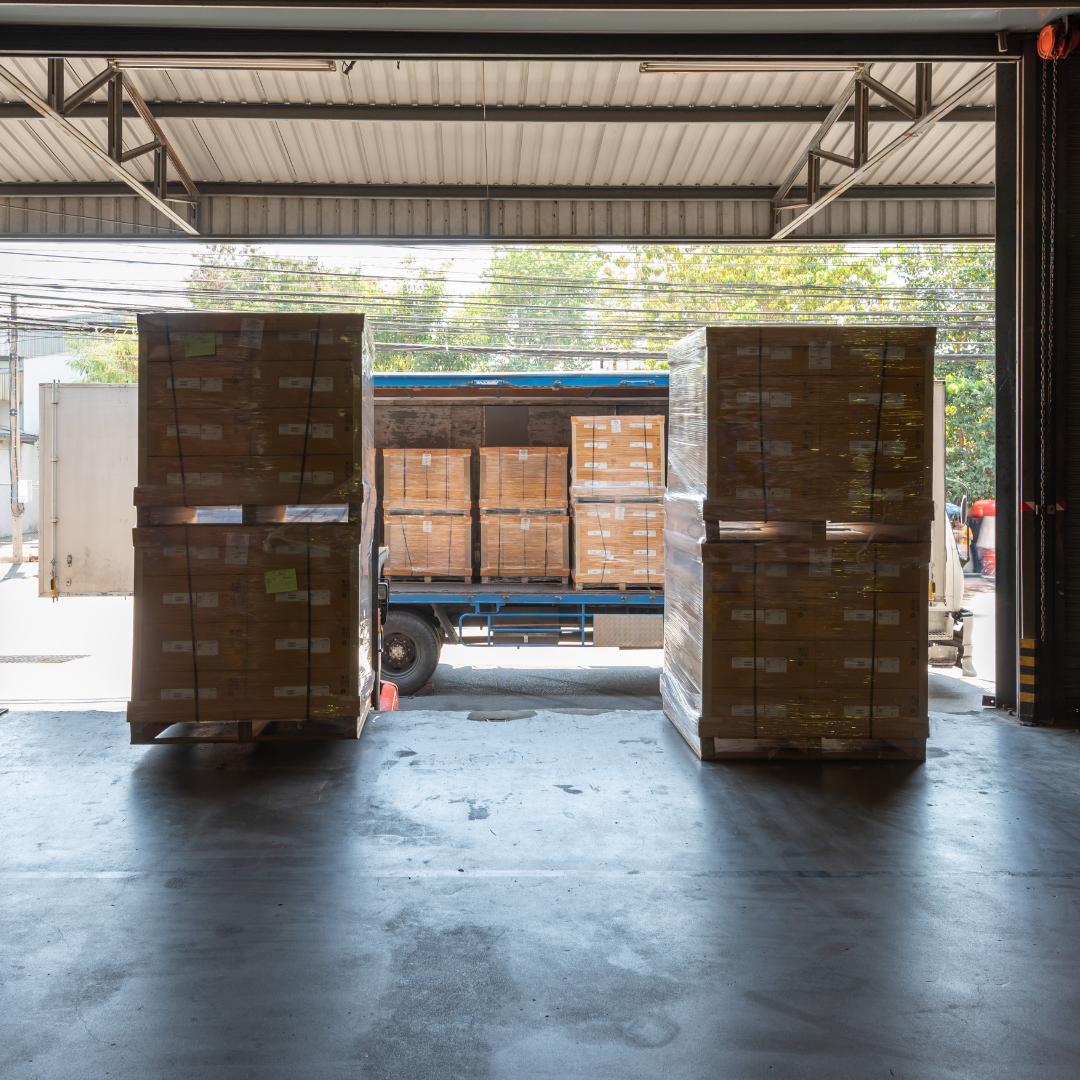
A box is not just a container, it is a variable cost, a risk factor, and a logistics decision all in one. An oversized box adds volume to every consignment, increasing transport costs, warehouse space, and reliance on void fill. Undersized boxes damage contents, generate returns, and frustrate your packing team. Across high volumes of products, those inefficiencies add up quickly. Specifying the right box size across your range is not just an operational decision, it’s a strategic one. It reduces waste, improves palletisation, and enables automation further down the line. It also simplifies training, reduces decision fatigue on the packing floor, and increases during peak times. The best suppliers will support you with box calculators, data-led optimisation, and clear guidance on box strength and board grade based on real-word applications.

Labels drive speed, traceability, and trust 

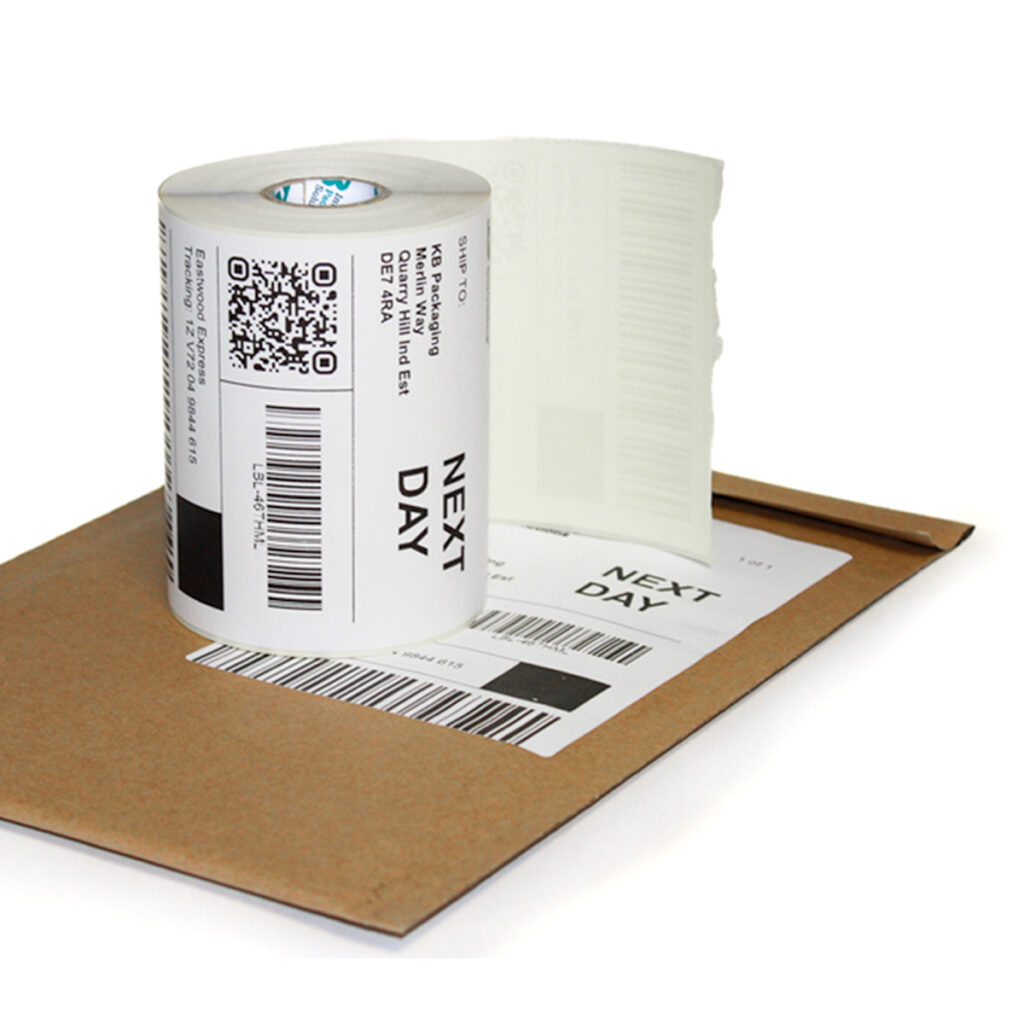
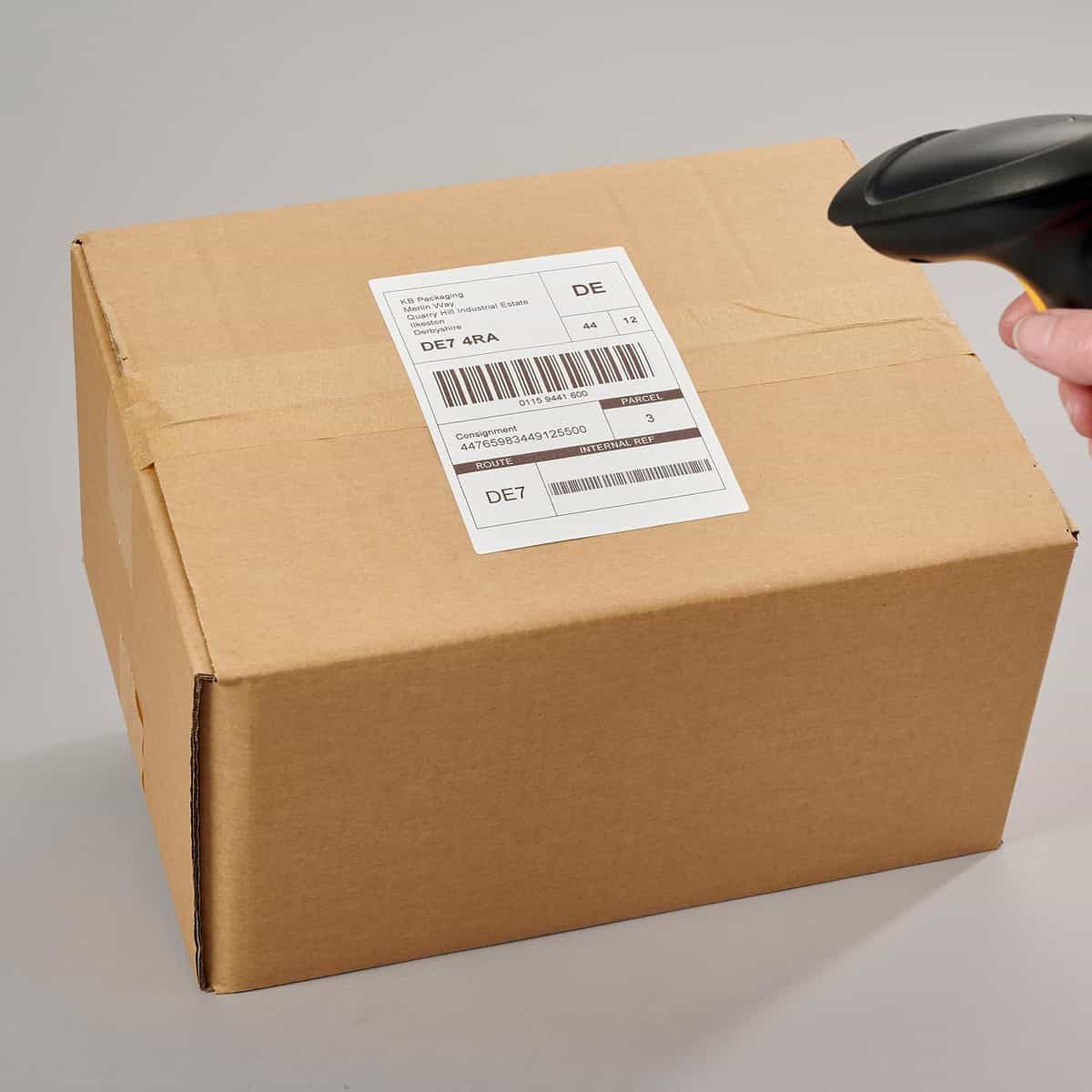
Labels are a key feature to every product journey. They guide what gets picked, how it is packed, and where it goes. When labels are poorly specified, misaligned with scanning systems, or unsuited to environmental conditions, errors multiply. They are also one of the most common sources of delay in otherwise well managed operations.

High-performance labelling starts with understanding your workflow. Thermal labels may suit some SKU’s, but not all, some adhesives might damage surfaces, while removable labels may not stay put during transit. Durability, legibility, adhesive type, and print method all a roll in getting this right. Beyond logistics, labels also contribute to compliance, from batch numbers and expiry dates to allergen statements and tracking data, labels carry information that must remain visible and intact throughout the supply chain. A low-cost label that fails in transit becomes expensive very quickly.

Procurement has a role in presentation

Customer experience is no longer solely reliant on sales or marketing. Increasingly procurement plays a part in shaping what the end customer sees and feels. Packaging is now part of the equation. When a product arrives well protected, clearly labelled, and professionally presented, it strengthens trust. When it arrives poorly packed, visibly damaged, or with inconsistent branding, it weakens it. That applies whether you are supplying luxury goods or critical components. Selecting the right box and label supplier ensures consistency at scale. It also enables you to meet branding standards, use sustainable materials, and minimise unnecessary packaging. For many businesses, it becomes an extension of quality control. 

Supporting your people not just your process

Packaging choices are not just about materials. They are also about how people work with those materials. When the right box is easy to assemble, or the correct label is easy to peel and apply, you save seconds on every action. That efficiency builds over time and reduces fatigue across packing teams. Consistent formats, fit-for-purpose materials, and pre-agreed specifications also reduce training needs, help to onboard new staff faster, and reduces the likelihood of rework. That translates into better morale, fewer mistakes, and more capacity without adding headcount. In short good and well utilised packaging simplifies tasks. it helps your teams move faster, with fewer decisions and fewer errors.

Standardisation results in much better forecasting

Another overlooked benefit of reviewing packaging choices is the role they play in procurement forecasting. When you standardise boxes and labels across a range of SKU’s or consolidate our requirements into a manageable set of formats, it becomes easier to track usage, negotiate pricing, and manage stock levels with your supplier. You also gain clearer data on packaging cost per unit, and better visibility of where opportunities are to reduce cost without compromising on protection or performance. This in turn helps make procurement less reactive and more predictive.

If you are reviewing packaging, start with the elements that seem most straightforward. Because the decisions around box size and label type are often the ones that drive the greatest hidden cost. They influence time, accuracy, sustainability, customer satisfaction, and internal efficiency.


Share this post

Facebook
Twitter
LinkedIn

More Posts

See more posts

Sign up to receive exclusive offers and packaging tips.

Subscribe for promotions, special offers and news from the packaging industry.

Welcome to KB Packaging

Shop faster with saved favourites and orders
Access POD’s and invoices
Manage users and order approvals
See your special prices