Packaging Tape for Fulfilment & eCommerce
In high-volume fulfilment and eCommerce environments, tape is often overlooked as a simple consumable.
In reality, it plays a critical role in packing efficiency, product protection, and overall operational performance. Small decisions around tape selection can directly influence packing speed, material usage, and even damage rates in transit.
This guide breaks down the key types of tape used within fulfilment centres — and where each fits within a modern packaging operation.
Why Tape Selection Matters in Fulfilment
Tape is typically the final touchpoint before a parcel leaves the warehouse.
If that seal fails, everything upstream (box selection, void fill, handling) becomes irrelevant.
Across eCommerce and fulfilment environments, tape is used to:
- Seal cartons for storage and distribution
- Reinforce packaging for heavier loads
- Support automation and packing line efficiency
- Communicate handling instructions or branding
- Contribute to sustainability goals
Different applications require different specifications. Tape choice should always align with:
- Carton weight and material
- Packing speed and volume
- Environmental conditions (cold storage, transit exposure)
- Desired presentation and customer experience
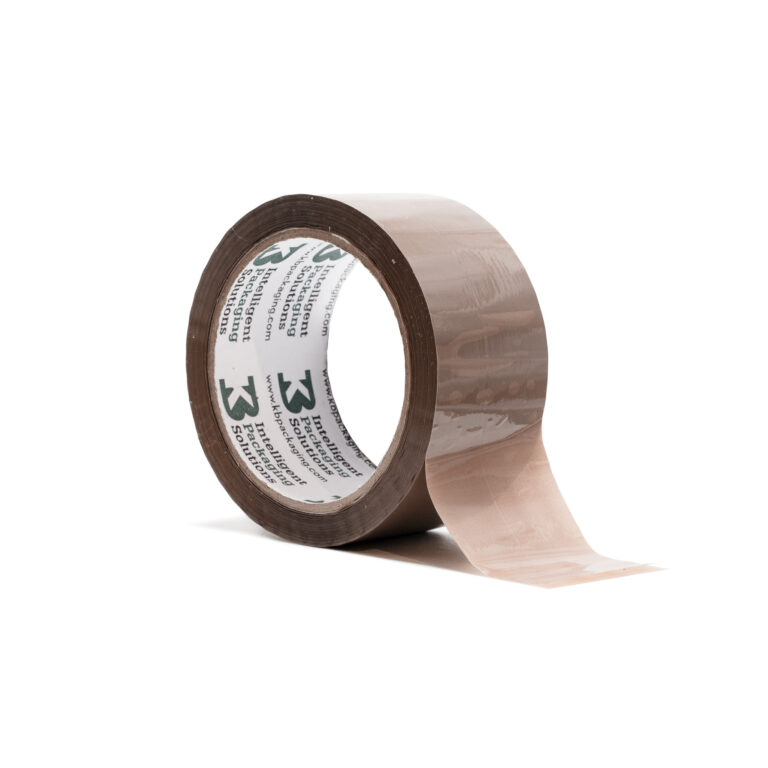
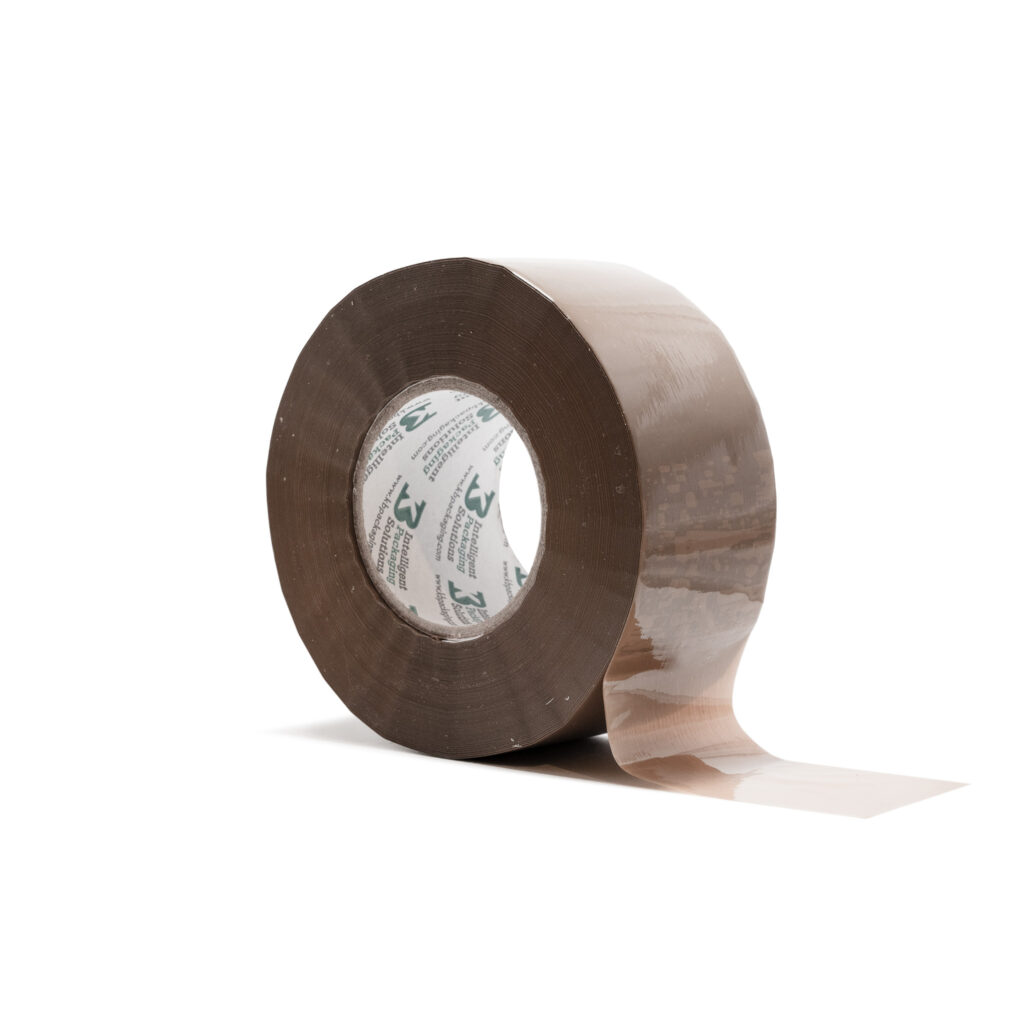
1. Packaging Tape (The Everyday Standard)
Packaging tape is the most widely used option across fulfilment centres.
It is designed to secure cartons during storage, handling, and transit, helping maintain package integrity and reduce the risk of opening in transit.
Common adhesive types are acrylic where are more durable over time and is suited to storage or varied temperatures.
Best suited for:
- Daily packing operations
- Manual or semi-automated packing stations
- Light to medium-weight shipments
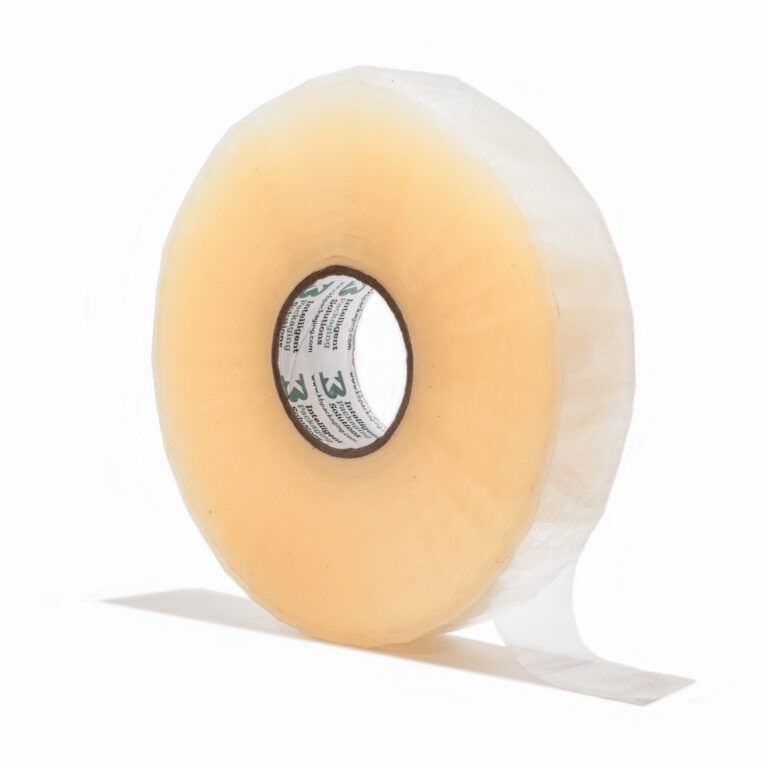
As fulfilment operations scale, efficiency becomes a priority, not just material cost.
E-Tape is designed to reduce interruptions on packing benches by offering significantly longer roll lengths, enabling more cartons to be sealed before roll changes are required
This can help:
- Maintain packing rhythm
- Reduce downtime
- Improve output per operator
Best suited for:
- High-volume packing environments
- Businesses looking to optimise workflow efficiency
3. Machine Tape (For Automated Lines)
In larger fulfilment centres, manual sealing is often replaced with automated case sealing machines.
Machine tape is specifically designed to:
- Run consistently through sealing equipment
- Deliver uniform application across high volumes
- Reduce variation in seal quality
Best suited for:
- Automated or semi-automated packing lines
- High-throughput operations
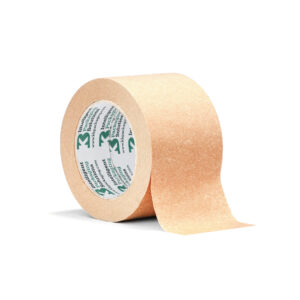
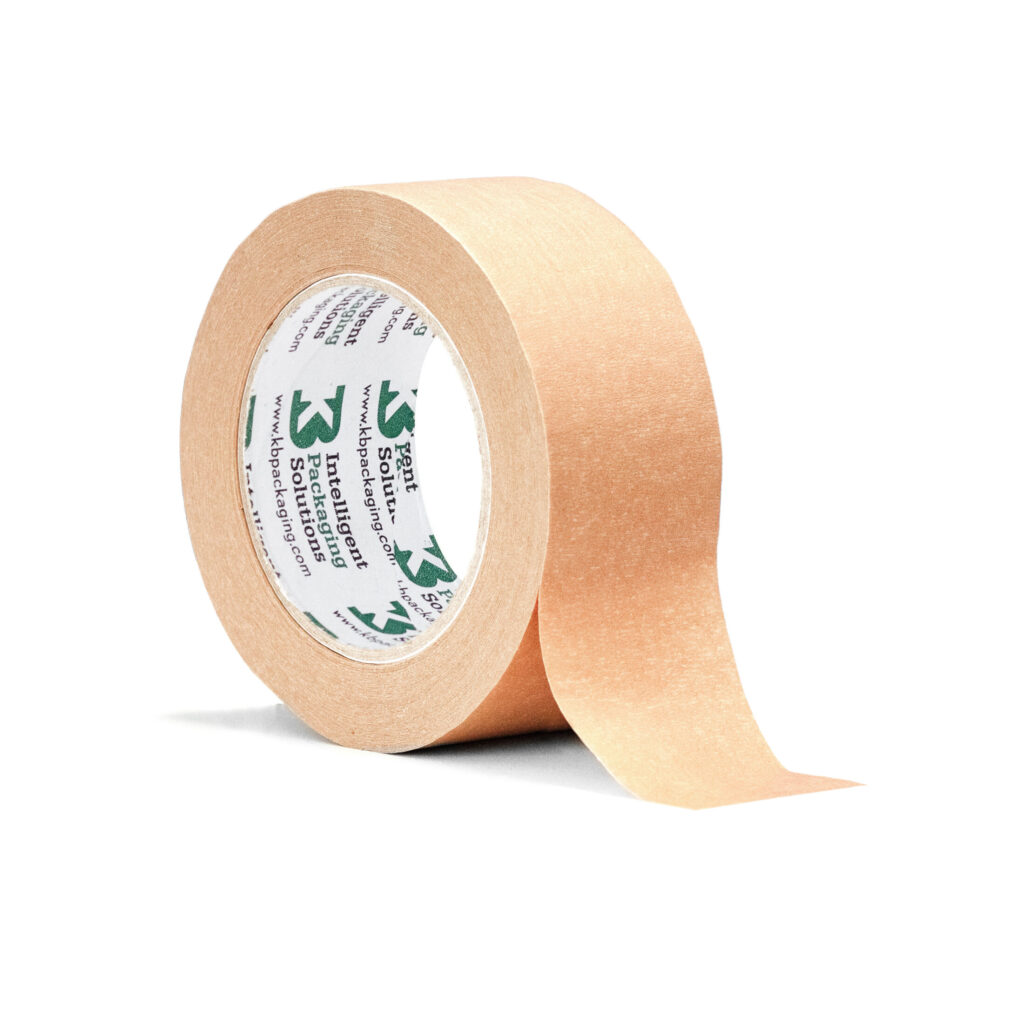
Paper tape is increasingly used by eCommerce brands prioritising sustainability and recyclability.
Made from kraft paper, it offers:
- A recyclable sealing solution
- Strong adhesion to corrugated cardboard
- A more natural, premium finish
In some formats, adhesive options allow it to bond strongly with box fibres for improved security.
Best suited for:
- Eco-conscious brands
- Paper-based packaging systems
- Premium unboxing experiences
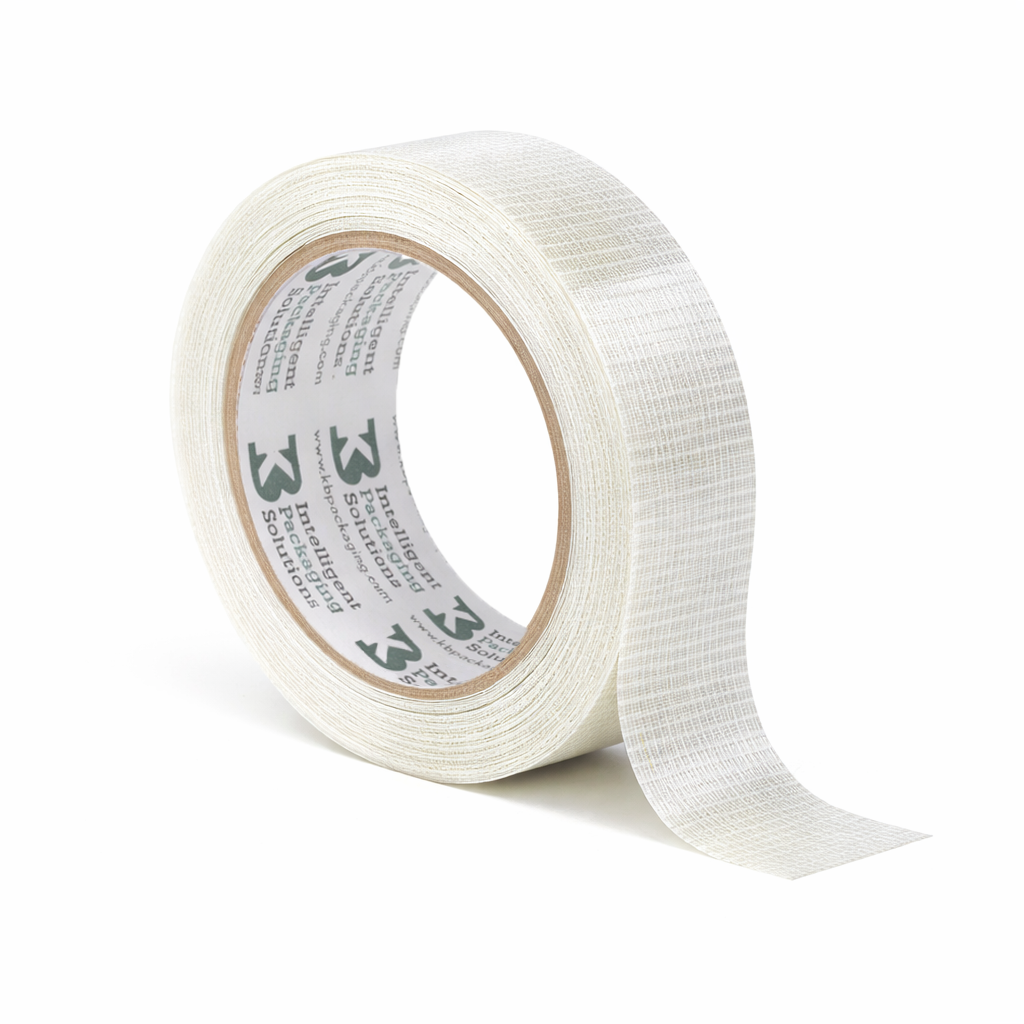
Filament tape is designed for strength and reinforcement rather than general sealing.
Reinforced with fibreglass strands, it offers:
- High tensile strength
- Resistance to tearing or splitting
Best suited for:
- Heavy cartons
- Bundling products together
- Reinforcing weak or high-stress areas
.
Choosing the Right Tape
There isn’t a single “best” tape — only the right tape for the job.
A typical fulfilment operation will use a combination of:
- Carton sealing tape (core packing)
- E-Tape or machine tape (efficiency at scale)
- Paper or WAT tape (sustainability or security)
- Reinforced tape (heavy-duty requirements)
- Supporting tapes (masking, double-sided, marking)
In practice, the right selection should:
- Reduce rework and failed seals
- Improve packing speed and consistency
- Align with sustainability targets
- Support a reliable, repeatable process
In fast-moving fulfilment environments, tape isn’t just a consumable — it’s a process decision.
When specified correctly, it supports:
- Faster packing lines
- Lower material waste
- Reduced damage in transit
- A more consistent customer experience
And at scale, those small improvements add up quickly.