Why Pallet Stability Fails (And It’s Not What You Think)
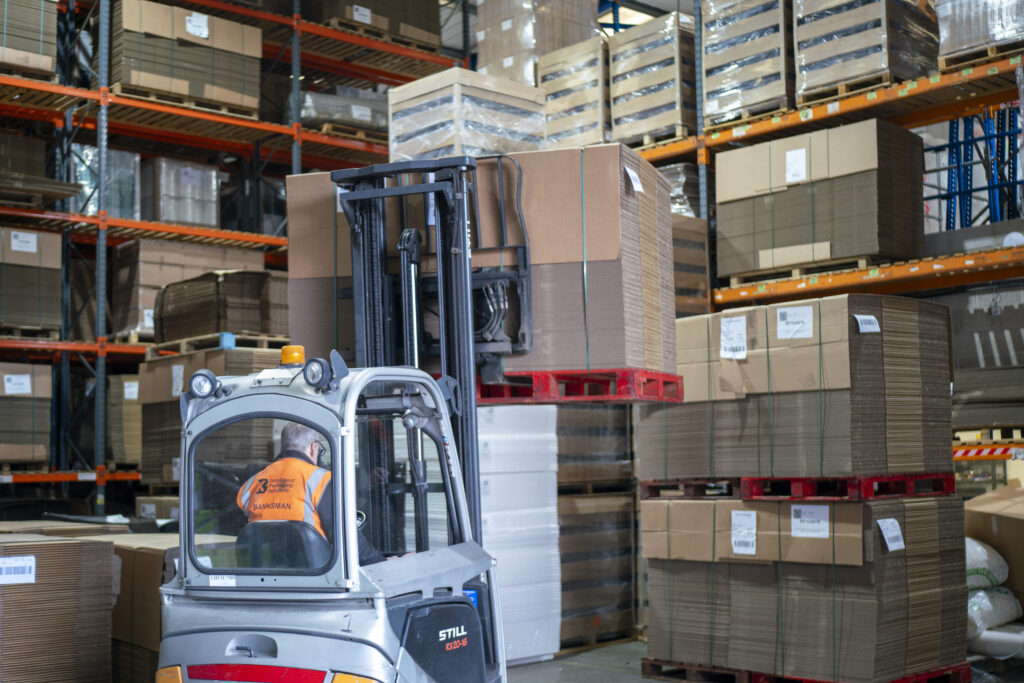
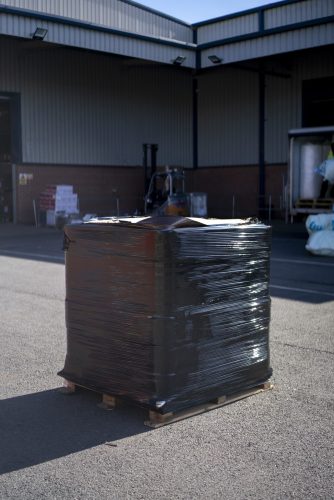
Walk through any warehouse and most pallets will look stable.
Wrapped. Stacked. Ready to go.
But if you follow those same pallets through transport, handling, and delivery, the reality can be very different.
Products arrive damaged. Loads shift. Corners crush. Entire pallets collapse.
And when this happens, it’s easy to blame transport conditions, driver handling, or “bad luck.”
But in most cases, the failure didn’t happen in transit.
Pallets don’t fail in transit — they fail long before they leave your warehouse.
The Real Reason Pallet Stability Fails
Pallet instability isn’t random.
It’s rarely caused by a single issue.
It’s the result of small design and process decisions stacking up across the packing operation.
Most pallet failures can be traced back to preventable issues such as poor wrapping technique, incorrect stacking, or loads not being properly secured.
The challenge is that these issues often aren’t visible at the point of despatch — but they show up under pressure, during movement, and at the worst possible time.
Where Things Actually Go Wrong
To understand pallet stability, you need to look beyond the wrap and focus on the entire load design.
Because most pallets don’t fail for one reason, they fail because of a combination of small weaknesses.
1. Incorrect Stretch Wrap Tension
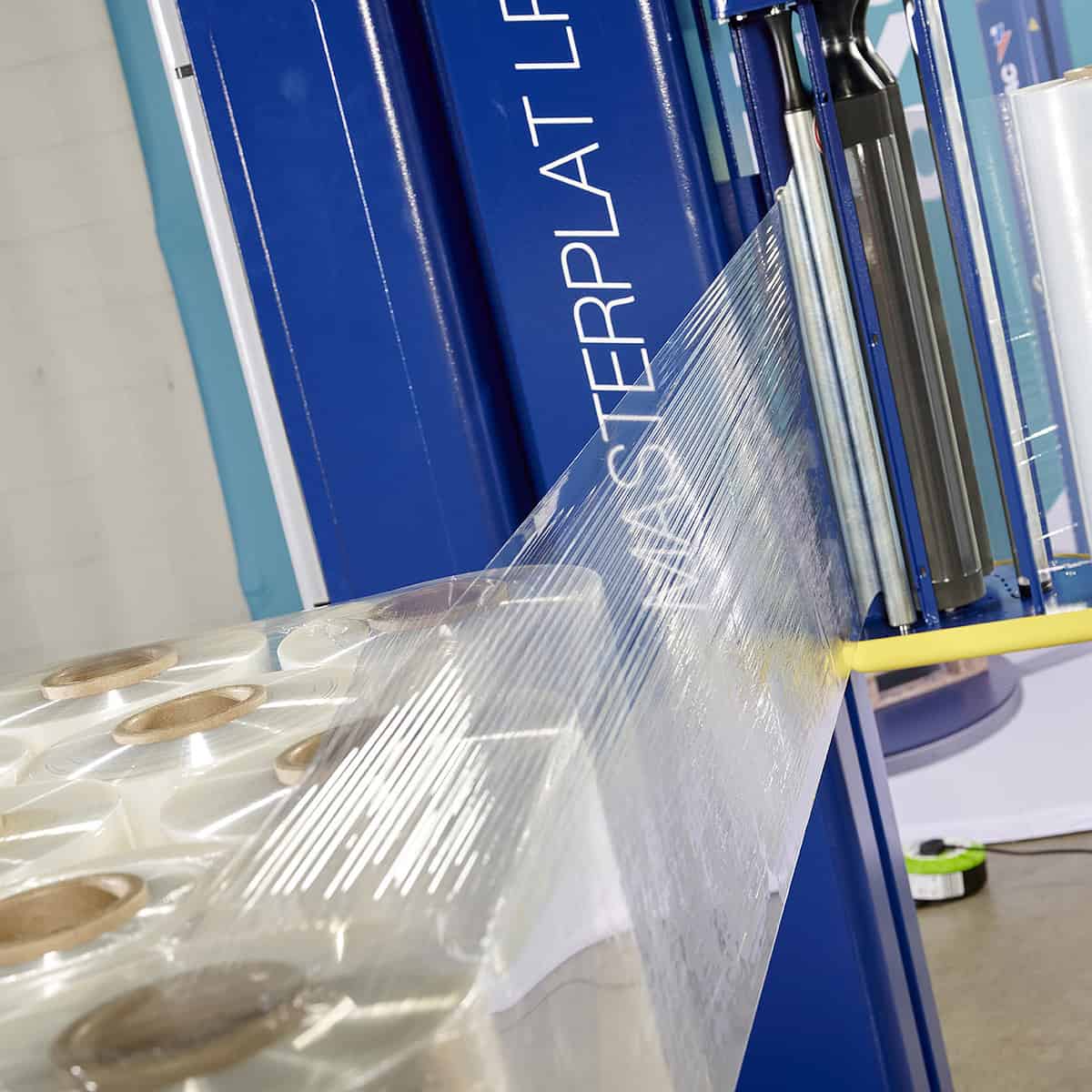
Stretch wrap is often seen as the “solution” to pallet stability.
But in reality, it’s one of the most common failure points.
If tension is too low:
- The load isn’t secured properly
- Cartons shift during handling
- Layers begin to separate
If tension is too high:
- Products can be crushed
- Film can tear or lose effectiveness
Getting this balance wrong is a leading cause of load instability — because the wrap isn’t doing what it’s supposed to do: contain and secure the load.
2. Poor Stacking Patterns
Stability starts before the wrap is even applied.
If the pallet is built incorrectly, no amount of wrapping will fix it.
Most common issues include:
- Uneven weight distribution
- Overstacking
- Random or inconsistent stacking patterns
A stable pallet depends on:
- Heavy items at the bottom
- Even weight distribution
- A consistent stacking structure
Without this foundation, the load becomes unstable as soon as it’s moved.
3. Weak Pallets or Damaged Boards
It’s easy to overlook the pallet itself — but it’s a critical part of the system.
Cracked boards, loose nails, or weakened structures reduce the pallet’s ability to support the load.
This creates:
- Load imbalance
- Increased movement during handling
- Higher risk of collapse
Even a perfectly wrapped pallet will fail if the base can’t support it.
4. Loads Not Anchored to the Pallet
One of the most common (and overlooked) issues is disconnection between the load and the pallet.
If the load isn’t properly anchored:
- The entire stack can shift independently of the pallet
- Forklift movement causes sliding
- Braking during transport increases separation
Proper load containment isn’t just about wrapping the product. It’s about locking the load to the pallet itself.
The Hidden Forces That Expose Weak Pallets
A pallet might look secure when it’s stationary — but the real test happens in motion.
During transport, loads experience:
- Braking forces
- Turning forces
- Vibration
- Sudden impacts
These forces create pressure on the structure of the pallet, testing every weak point in the load.
If the centre of gravity is too high or uneven, or if the load isn’t properly secured, even small movements can cause shifting or tipping.
This is why pallets that appear stable in the warehouse often fail during transit.
The Bigger Impact on Operations
Pallet stability issues don’t just result in damaged goods.
They create knock-on effects across the entire operation:
- Rework and repacking
- Delivery delays
- Customer complaints
- Increased transport costs
- Safety risks for warehouse teams
Unstable pallets are a process problem, not just a packaging issue
A More Effective Approach to Pallet Stability
Improving pallet stability isn’t about one change — it’s about taking a system approach.
Instead of asking:
“Is the pallet wrapped?”
The better question is:
“Is the load designed to remain stable under real conditions?”
This means looking at:
- How the product is packed in cartons
- How cartons are stacked
- How weight is distributed
- How the load is secured and contained
- How the pallet performs in transit conditions
Because stability isn’t created by one component — it’s created by how everything works together.
In Conclusion
Pallet failures aren’t unpredictable.
And they’re rarely caused by external factors alone.
They’re built into the process — often unintentionally — through small decisions made at the packing stage.
That’s why the most effective way to reduce damage, improve efficiency, and protect your products isn’t to react after something goes wrong.
It’s to fix the root cause.
Because when you design the load properly from the start:
- Pallets stay stable
- Products arrive intact
- Operations run more efficiently
And stability stops being a risk — and becomes part of the process.