Trustpilot

Next Day Delivery*

Shop online & earn loyalty points

Your order time cut by 42%*

The Difference Between Hand-Held Tape Application and Machine Tap­ing

Caitlyn Sims

The Difference Between Hand-Held Vs Machine Tape Application

When it comes to sealing cartons, most operations fall into one of two categories: hand-held tape application or machine-based case sealing.

At a glance, both methods achieve the same goal — securely sealing a box for storage or transit. But in practice, they deliver very different results in terms of efficiency, consistency, cost, and scalability.

Understanding the difference isn’t just about equipment — it’s about choosing the right approach for your packaging environment.

What Is Hand-Held Tape Application?

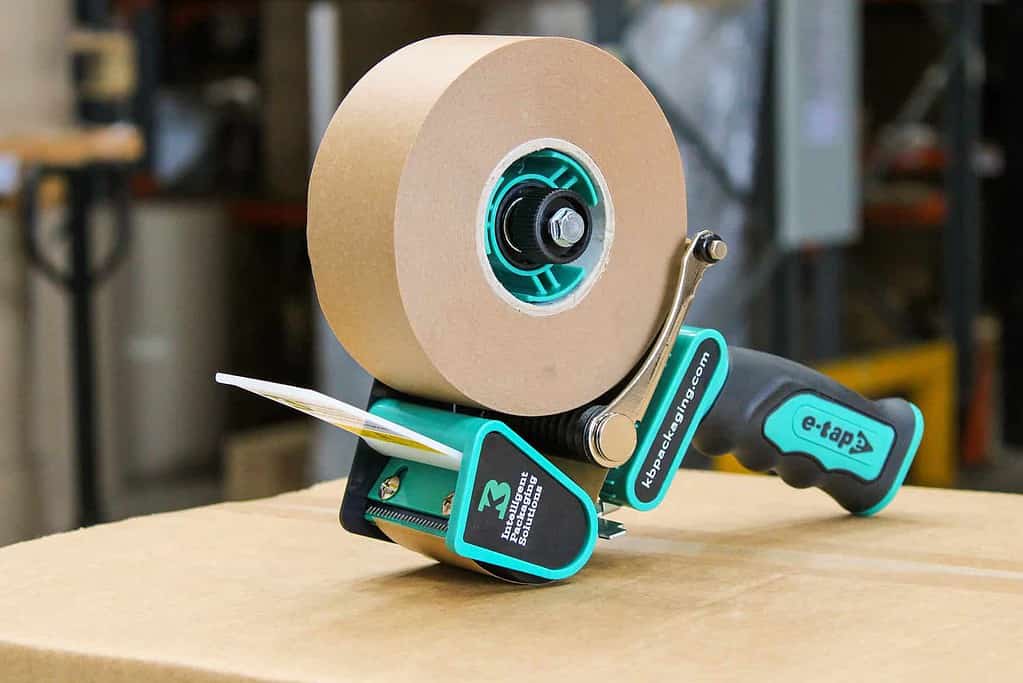
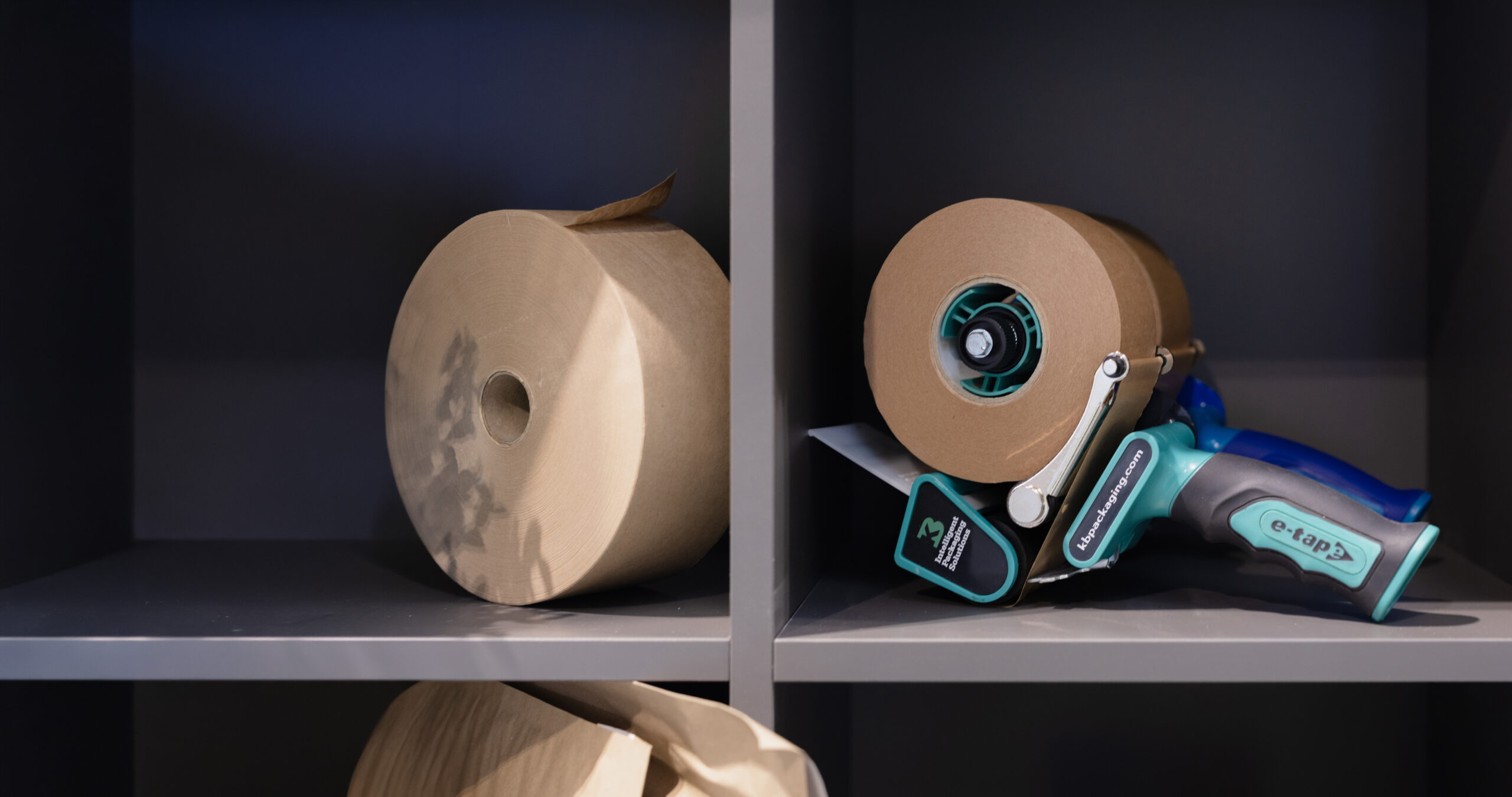
Hand-held tape application involves using a manual dispenser (often called a tape gun) to seal cartons by hand.

It’s one of the most common methods across:

  • Small warehouses
  • E-commerce packing benches
  • Low to mid-volume dispatch environments
  • Operations handling a wide range of box sizes
Key Characteristics
  • Operator-controlled application
  • Shorter tape rolls
  • Flexible across different carton sizes
  • Minimal setup or investment required
E-Tape Premium Packaging Tape Paper Tape
Advantages
  1. Low upfront cost
    No machinery is required beyond a simple dispenser, making it an accessible starting point. 
  2. Flexibility in day-to-day packing
    Ideal for businesses dealing with varied or irregular box sizes. 
  3. Portability
    Can be used anywhere in the warehouse without needing a fixed station.
Limitations
  1. Slower throughput
    Each carton must be sealed individually, which can restrict output as volumes increase.
  2. Inconsistent sealing quality
    Seal strength depends on the operator’s technique, leading to variation.
  3. Labour-intensive
    More time and manpower are required, which can drive up operational costs over time.

What Is Machine Tape Application?

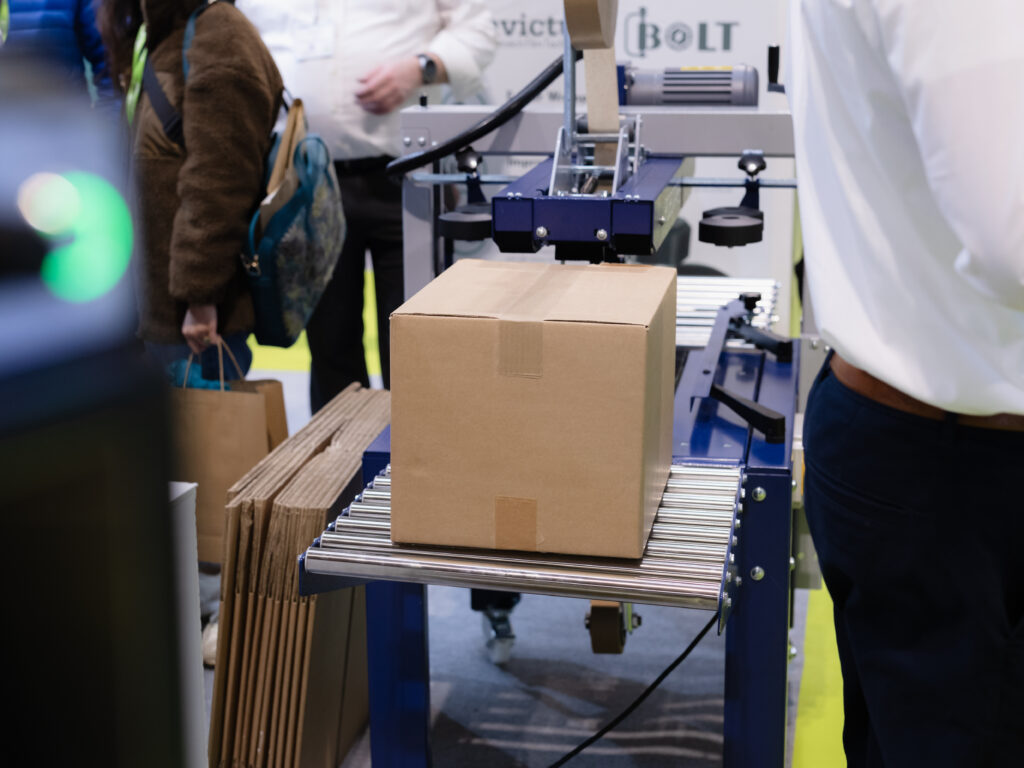
Machine tape application uses semi-automatic or fully automatic case sealing machines to apply tape to cartons as they pass through the system.

This method is typically used in:

  • High-volume warehouses
  • Fulfilment and distribution centres
  • Manufacturing lines
  • Standardised packing environments
Key Characteristics
  • Machine-controlled sealing process
  • Longer tape rolls designed for continuous use
  • Integrated into packaging lines
  • Consistent speed and application
Advantages
  1. High-speed sealing
    Machines can seal cartons at a significantly faster and more consistent pace than manual methods.
  2. Consistent, professional seals
    Uniform pressure and placement reduce the risk of weak seals or open seams.
  3. Reduced labour dependency
    Fewer operators are needed, freeing up staff for higher-value tasks. 
  4. Lower cost per box at scale
    Although initial investment is higher, automated sealing can reduce overall packaging costs in high-volume operations.
Limitations
  1. Higher initial investment
    Requires equipment purchase and setup. 
  2. Less flexibility for irregular packaging
    Best suited for consistent carton sizes and structured workflows. 

Key Differences at a Glance

Factor

Hand-Held Application

Machine Application

Speed

Slower, manual process

High-speed automated sealing

Consistency

Operator dependent

Uniform, repeatable results

Cost (initial)

Low

Higher investment

Cost (long-term)

Increases with labour

More efficient at scale

Flexibility

Highly adaptable

Best for standardised cartons

Volume suitability

Low to mid-volume

Mid to high-volume

When Does Each Method Make Sense?

Hand-Held Tape Is Best When:

  • You’re shipping lower volumes daily
  • Your packaging sizes vary significantly
  • You need flexibility across different packing areas
  • You’re at an early stage of scaling operations

Machine Tape Is Better When:

  • You’re sealing hundreds or thousands of cartons per day
  • Consistency and presentation matter across every shipment
  • Labour efficiency is becoming a concern
  • Your packaging process is becoming more standardised

The Operational Perspective: It’s About Workflow, Not Just Tape

One of the most common misconceptions is that this decision is purely about tape type.

In reality, it’s about how your packaging process is structured.

Manual taping often works well in reactive or flexible environments. But as order volume grows, it can become a bottleneck — slowing output, introducing inconsistency, and increasing labour dependency.

Machine taping, on the other hand, supports predictable, repeatable workflows, which is why it becomes essential in scaled operations.

In conclusion…

There’s no “one-size-fits-all” answer.

The right choice depends on your volume, workflow, and long-term goals.

For many businesses, the transition from hand-held application to machine sealing isn’t immediate — it’s a step taken as operations grow and efficiency becomes a priority.

Need some help seeing which process is better for your operation speak to our team today or alternatively uses our packaging audit tool to help you save time and money

Share this post

Facebook
Twitter
LinkedIn

More Posts

See more posts

Products

Sign up to receive exclusive offers and packaging tips.

Subscribe for promotions, special offers and news from the packaging industry.