Common Packaging Problems and Their Solutions
Packaging should protect products, streamline operations, and support your supply chain.
But when it’s not fit for purpose, it quietly creates cost, delays, and customer friction.
From damaged goods to inflated shipping costs, small packaging issues quickly turn into bigger operational problems.
Here are five of the most common packaging problems businesses face and clear, practical solutions.
1. Product Damage in Transit
The problem:
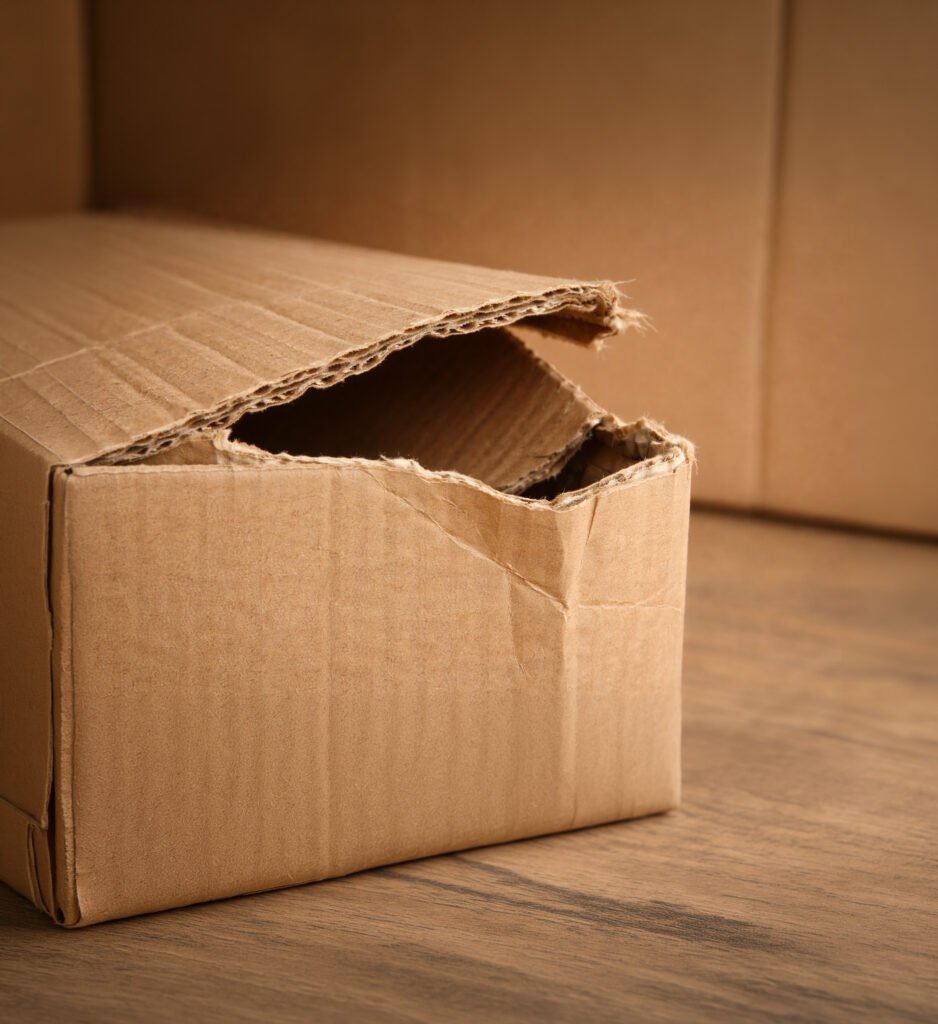
Damaged goods are one of the most expensive packaging failures.
Products move through multiple handling points, drops, stacking pressure, and vibration are all part of the journey.
In fact, millions of parcels arrive damaged each year, impacting both revenue and customer trust.
The solution:
- Use the correct box strength and board grade
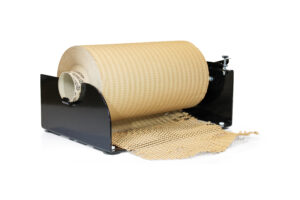
- Introduce protective materials (air pillows, inserts, kraft paper)
- Eliminate movement with right-fit packaging
- Test packaging under real shipping conditions
👉 Well-designed packaging doesn’t just prevent damage, it protects your margins and reputation.
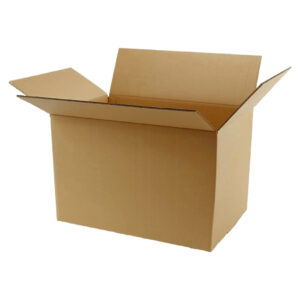
2. Incorrect Box Size (Overpacking or Underpacking)
The problem:
Using packaging that’s too large or too small creates both risk and cost.
Oversized packaging:
- Increases dimensional weight charges
- Wastes materials
- Requires excessive void fill
Undersized packaging:
- Compresses products
- Increases the likelihood of damage
This is one of the most common mistakes in ecommerce fulfilment.
The solution:
- Implement right-sizing across your range
- Use multiple box sizes or custom packaging
- Optimise packaging based on product dimensions and weight
👉 Shipping air costs money. Right-sizing reduces both damage and spend.
3. Poor Packaging Design & Fit
The problem:
Packaging that isn’t designed around the product (or the process) leads to inefficiencies and product movement.
This can result in:
- Higher damage rates
- Increased packing time
- Material waste
Poor fit is also a common cause of internal movement during transit, increasing breakage risk.
The solution:
- Design packaging around:
- Product dimensions
- Fragility
- How it’s stored, packed, and shipped
- Use custom inserts or die-cut solutions
- Align packaging design with your operation, not just the product
👉 Good packaging design removes friction—not adds to it.
4. Moisture Damage & Environmental Exposure
The problem:
Moisture is one of the most overlooked packaging risks. It can weaken boxes, damage products, and degrade materials, often without visible signs until it’s too late.
Corrugated packaging, for example, can lose significant strength in high humidity environments.
Why it happens:
- Temperature changes during transit
- High humidity environments
- Incorrect material selection
- Weak seals or packaging integrity
The solution:
- Use moisture-resistant coatings or barrier materials
- Introduce desiccants or humidity control solutions
- Store packaging in controlled environments
- Select materials suited to the supply chain conditions
👉 If your packaging isn’t built for the environment it travels through, it will fail.
5. Inefficient Packing Processes
The problem:
Packaging issues don’t just affect the product—they disrupt operations.
Common signs include:
- Slow packing lines
- Inconsistent processes
- Bottlenecks during peak demand
- Increased labour costs
When packaging is awkward, inconsistent, or poorly designed, teams compensate, slowing everything down.
The solution:
- Standardise packing materials and workflows
- Pre-assemble boxes where possible
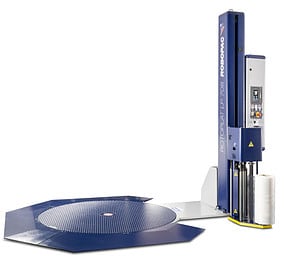
- Introduce automation or semi-automation
- Review packaging regularly against operational demand
👉 Packaging should support your operation—not slow it down.
Final Thoughts
Packaging problems rarely show up as a single issue.
They appear as damage, delays, rising costs, and unhappy customers.
The difference between reactive fixes and long-term efficiency comes down to one thing:
Designing packaging around your product, your process, and your supply chain.
If packaging is causing friction in your operation, it’s worth taking a step back and reviewing the full process, often, the biggest improvements come from small, targeted changes.
Speak to us today to help with your packaging and process and make packaging one less thing to worry about