Choosing the right packaging is about more than simply finding a box that fits your product. The packaging you use can impact everything from product protection and packing efficiency to shipping costs and customer experience.
However, with so many options available, knowing where to start can feel overwhelming. The good news is that selecting the right packaging becomes much easier when you focus on the needs of your products, processes, and customers.
Start with Product Protection
The primary role of packaging is to ensure products arrive safely. Consider the size, weight, shape, and fragility of the items you’re shipping.
Questions to ask:
- Is the product prone to damage during transit?
- Does it require cushioning or void fill?
- Will it be handled multiple times before reaching the customer?
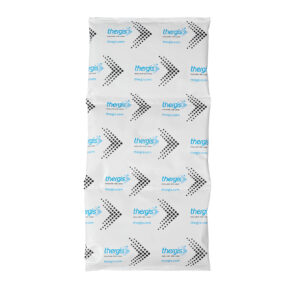
- Does it need protection from moisture, dust, or temperature changes?
Choosing packaging that is fit for purpose helps reduce damages, returns, and replacement costs.
Consider Your Packing Process
Packaging should support your operation, not slow it down.
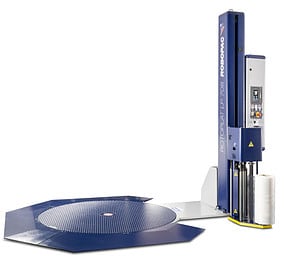
Reviewing your packing area can often uncover opportunities to improve efficiency, reduce waste, and streamline processes. At KB Packaging, we work closely with businesses to help choose the right packaging materials that align with their operational goals, whether that’s reducing packing times with self-seal packaging, introducing automation, or implementing machine-applied products for higher-volume environments.
These are some of the key areas we assess when helping businesses optimise their packaging processes:
- Packing speed
- Labour requirements
- Storage space
- Ease of use for employees
Review Shipping and Transit Requirements
Different delivery methods place different demands on packaging.
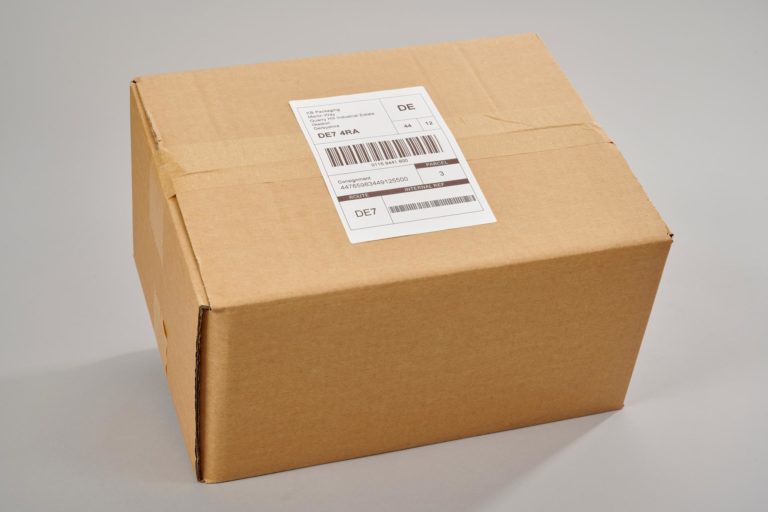
Products travelling through parcel networks may require additional protection compared to items delivered directly on pallets. Understanding how your products move through the supply chain is a key part of choosing the right packaging, helping to ensure products arrive safely while keeping material usage and shipping costs under control.
product can help minimise void fill, reduce movement during transit, and create a more efficient pack.
If you’re unsure where to start, our Custom Box Calculator can help you find the ideal box dimensions, while our Courier Packaging Guide offers practical advice for businesses shipping goods through parcel networks.
By taking both product requirements and transit conditions into account, you can make more informed packaging decisions that support your products, customers, and overall operation.
Look Beyond the Initial Cost
The cheapest packaging option is not always the most cost-effective.
Consider the total impact on your operation, including:
- Damage rates
- Shipping costs
- Packing efficiency
- Material usage
- Customer satisfaction
A slightly higher-quality packaging solution could reduce costly issues elsewhere in the process.
Think About Sustainability
Many businesses are reviewing their packaging choices to reduce waste and improve sustainability.
This could include:
- Using recyclable materials
- Reducing unnecessary packaging
- Optimising pack sizes
- Exploring paper-based alternatives where suitable
Need Help Choosing?
Every business has unique requirements, which is why there isn’t a one-size-fits-all packaging solution.
Whether you’re reviewing your current packaging, launching a new product, or preparing for a busy trading period, taking the time to assess your options can lead to better protection, improved efficiency, and lower operational costs.