Trustpilot

Next Day Delivery*

Shop online & earn loyalty points

Your order time cut by 42%*

Void Fill Explained: Paper Vs Air Vs Foam – What Actually Works?

Caitlyn Sims

Void fill is one of the most misunderstood parts of packaging.

Most businesses know they need “something” to fill space. But the choice between paper, air, or foam is often based on habit rather than performance.

The truth is: there’s no single best option. What works depends entirely on how your product behaves in transit and how your operation runs.

This guide breaks down the differences and, more importantly, when each one actually works.

What Void Fill Is Really Doing?

Before comparing materials, it’s important to understand the role of void fill.

Void fill exists to:

  • Control movement inside the box
  • Absorb shock and impact
  • Maintain positioning throughout handling


If a product is moving, dropping, or shifting. Void fill isn’t doing its job.

The goal isn’t to “fill space.”
It’s to create stability under pressure.

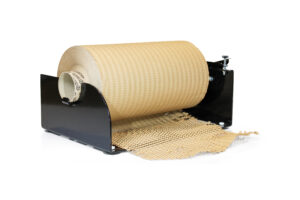
Paper Void Fill: Control and Structure

Paper-based void fill is one of the most widely used options in eCommerce and fulfilment.

Where paper works best:

  • Medium-weight products
  • Mixed or irregular items
  • Operations needing consistent, repeatable packing

Why it works:

  • Creates structure inside the box
  • Helps lock products in place
  • Performs reliably under compression

Paper is particularly effective when the goal is to stop movement, not just cushion impact.

Where it can fall short:

  • High-impact or very fragile items may need additional cushioning
  • Can increase material usage if not applied correctly

Air Void Fill: Speed and Light Cushioning

Air cushions are commonly used for fast-paced packing environments.

Where air works best:

  • Lightweight products
  • High-volume operations
  • Large box sizes where space needs filling quickly

Why it works:

  • Quick to apply and easy to scale
  • Adds light cushioning with minimal material weight
  • Reduces packing time in busy environments

Where it can fall short:

  • Provides limited structural support
  • Can allow movement if not used correctly
  • Less effective under heavy compression or stacking pressure

Air works best when speed is key — but it shouldn’t be relied on to stabilise heavier or fragile products.

Foam Void Fill: Maximum Protection

Foam solutions are typically used for higher-risk shipments.

Where foam works best:

  • Fragile or high-value items
  • Products with specific shapes
  • Situations where impact protection is critical

Why it works:

  • Offers strong shock absorption
  • Can be customised to fit products exactly
  • Reduces risk of damage during rough handling

Where it can fall short:

  • Slower to apply in high-volume environments
  • Higher material cost
  • May not align with sustainability goals

Foam is less about speed or efficiency and more about risk reduction.

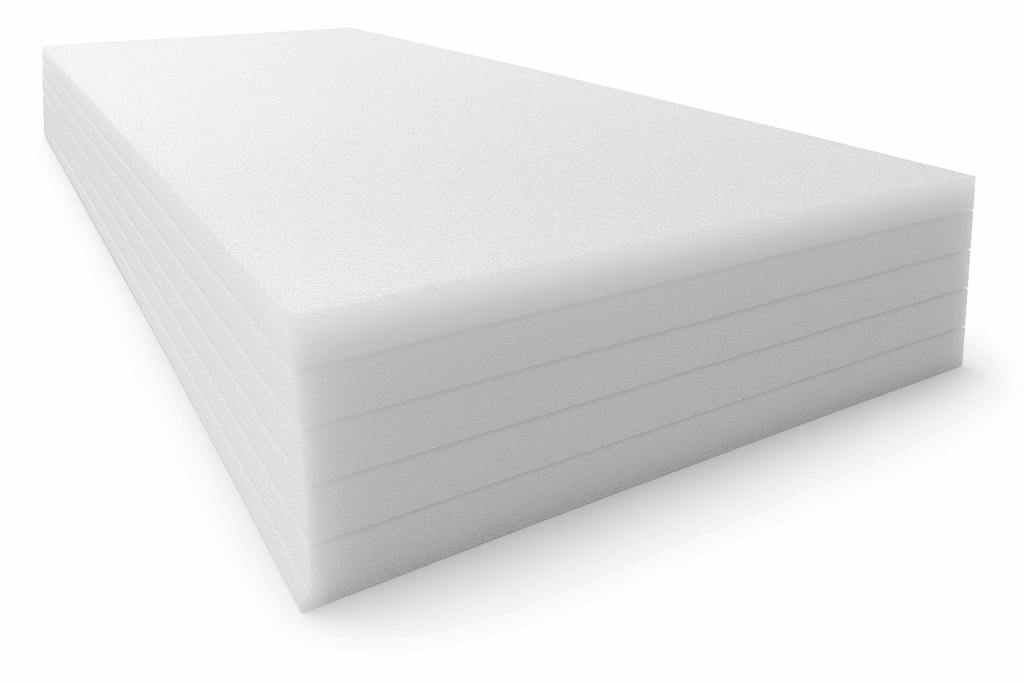
closed cell EthaFoam sheet

What Actually Works in Practice

The most effective packaging setups don’t rely on one material — they use the right combination.

Most void fill problems come from misuse, not material choice.

Packaging SetupBest ForKey Benefit
Paper + AirGeneral eCommerce and fulfilment operationsPaper stabilises products while air cushions fill remaining space efficiently
Paper + FoamFragile or high-value itemsPaper provides structure while foam delivers enhanced impact protection
Air + Internal WrapLightweight products in larger boxesAir fills excess space quickly while internal wrap protects the product
Paper OnlyMixed or irregular productsCreates structure and reduces movement during transit
Foam OnlyDelicate products requiring maximum protectionOffers superior shock absorption and damage prevention

What matters isn’t the material itself — it’s how well it supports:

Packaging ObjectiveWhy It Matters
Product StabilityPrevents movement and helps reduce transit damage
Packing ConsistencyCreates a repeatable process across packing teams
Operational EfficiencySupports faster packing times and efficient material use

Void fill isn’t about preference — it’s about performance.

Paper, air, and foam all have a place, but they solve different problems.

The key is understanding what your product needs:

  • Stability? → Paper
  • Speed and light fill? → Air
  • Impact protection? → Foam


When the right material is matched to the right situation, packaging becomes simpler, more consistent, and more effective.

Share this post

Facebook
Twitter
LinkedIn

More Posts

See more posts

Products

Sign up to receive exclusive offers and packaging tips.

Subscribe for promotions, special offers and news from the packaging industry.