Bubble Wrap Benefits and Practical Uses in Packaging
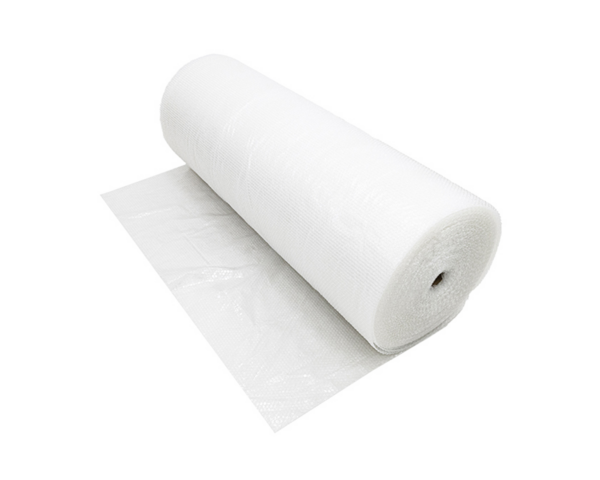
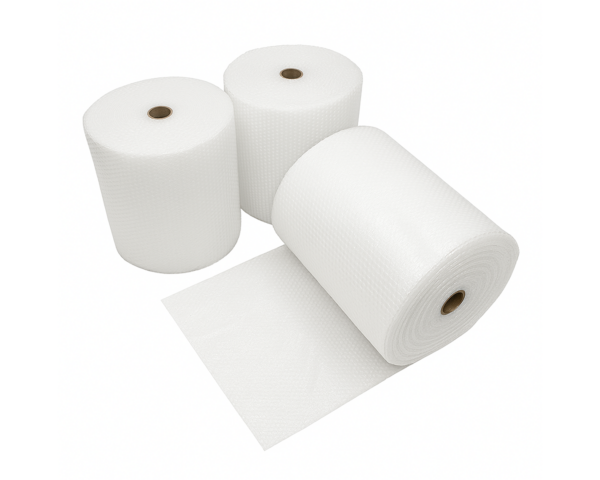
Bubble wrap is a versatile packaging material designed to protect fragile items during shipping and storage. It consists of small air-filled bubbles that absorb shock and prevent damage from impacts, making it essential for businesses and individuals alike who need reliable cushioning.
Its primary function is to provide effective protection by creating a lightweight barrier that helps prevent dents, scratches, and breakage. Available in various sizes and environmentally friendly options, bubble wrap suits different packing needs, whether for delicate electronics or everyday household items.
Beyond packaging, bubble wrap is also valued for its ease of use and availability from numerous suppliers, including eco-conscious manufacturers. This makes it a practical choice for anyone looking to secure their items safely with minimal hassle.
What Is Bubble Wrap?
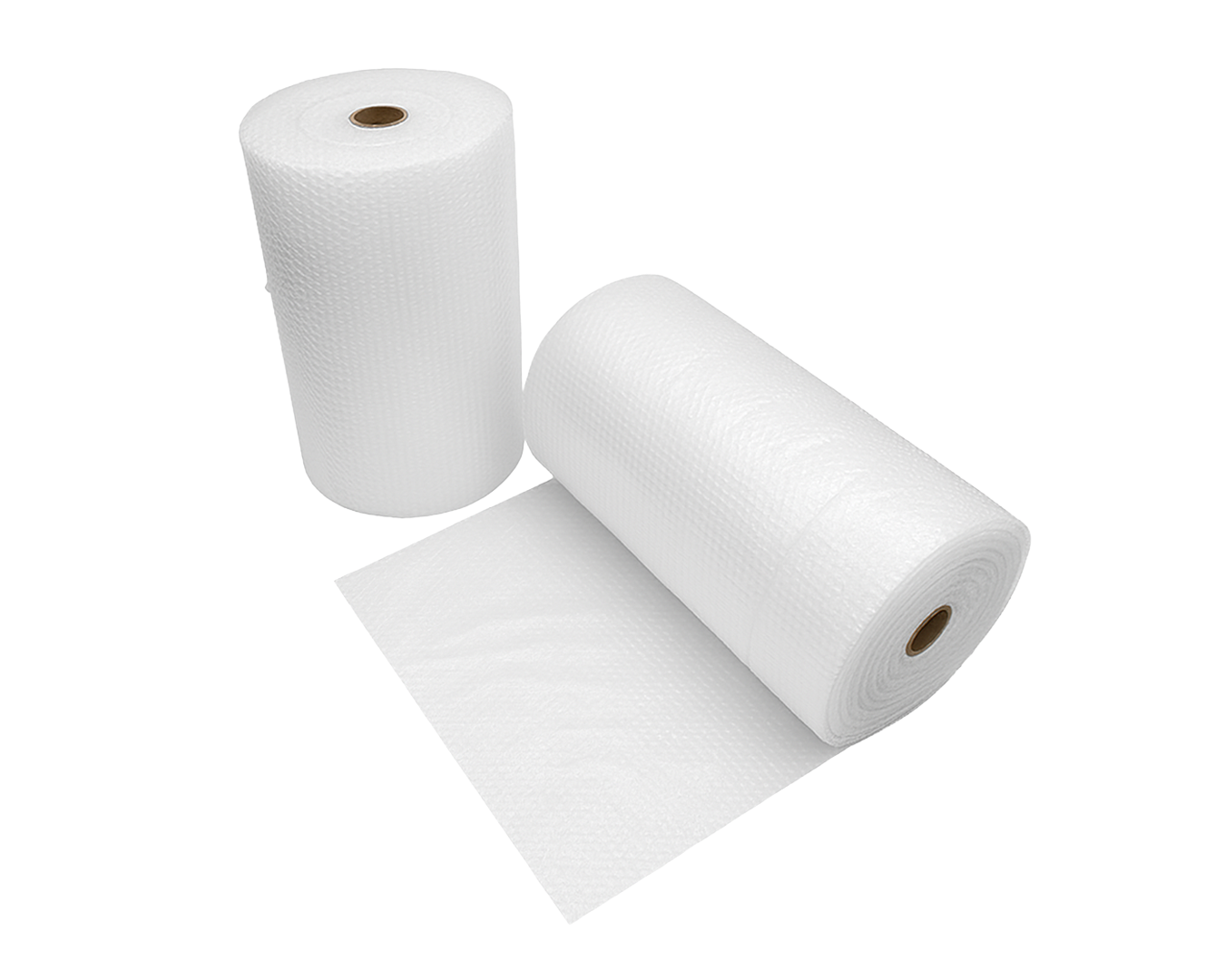
Bubble wrap is a plastic packaging material widely used to protect fragile items during shipping and handling. It consists of transparent sheets embedded with air-filled bubbles that provide cushioning. Its design varies based on the intended use, with multiple types offering solutions for different packaging needs.
This section clarifies what bubble wrap is, the variations available, and the mechanism behind its protective qualities.
Definition and Basic Properties
Bubble wrap is made from thin sheets of plastic film, usually low-density polyethylene (LDPE). Small air pockets, or bubbles, are sealed between the sheets, creating a lightweight and flexible material. These bubbles are typically uniform in size and spacing, designed to absorb shocks.
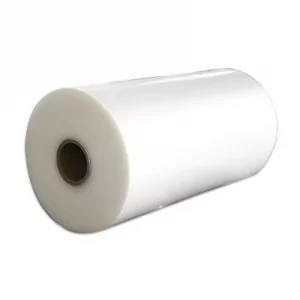
The plastic film provides durability and resistance to tearing, while the trapped air cushions sensitive items from impacts and vibrations. It is transparent, making it easy to see packaged contents, and it conforms well to various shapes. Bubble wrap is economical and widely available in rolls or pre-cut sheets, suitable for industries ranging from electronics to glassware.
Types of Bubble Wrap
Bubble wrap comes in several types tailored for specific uses:
Standard Bubble Wrap: Features bubbles about 2 cm in diameter, suitable for general packaging needs.
Small Bubble Wrap: Has smaller bubbles (around 1 cm), often used for delicate items requiring finer cushioning.
Anti-Static Bubble Wrap: Made with additives to prevent static electricity, ideal for electronic components.
Heavy-Duty Bubble Wrap: Contains larger bubbles or thicker plastic for extra protection of heavier or more fragile items.
Each type aims to balance cushioning, protection, and cost effectively, depending on the fragility and weight of the items being packed.
How Bubble Wrap Works
The air-filled bubbles act as shock absorbers by distributing the force of impacts evenly across the surface. When pressure is applied, the bubbles compress, reducing the energy transferred to the item inside.
This cushioning effect minimizes damage from dropping, vibration, or rough handling during transit. The flexibility of bubble wrap allows it to wrap tightly around objects, preventing movement within packages. Its lightweight nature also helps reduce shipping costs compared to heavier packing materials.
Additionally, the plastic film provides a moisture barrier that can protect contents from light exposure and dirt, adding another layer of security during storage or transport.
History of Bubble Wrap
Bubble wrap originated from an unexpected invention and gradually evolved into a crucial packaging material. Its development included key innovations that improved protection and expanded its uses.
Invention and Early Development
Bubble wrap was invented in 1957 by Alfred Fielding and Marc Chavannes. Initially, it was created as a textured wallpaper by layering two shower curtains together with trapped air bubbles. This concept failed commercially.
Later, the inventors realized the material’s potential for cushioning fragile items during shipping. They adapted the air pockets to absorb shock, providing superior protection. The first patent for bubble wrap as a packaging material was filed in 1960.
The design quickly gained popularity in industries needing reliable, lightweight packaging. It represented a significant shift from heavier, more rigid protective options.
Major Milestones
By the mid-1960s, bubble wrap secured its place in shipping and packaging sectors. One major milestone was its adoption by IBM, which used it to protect computer components. This endorsement highlighted its practical benefits.
Over time, the product diversified beyond packaging. Bubble wrap was used as a pool cover to retain heat and even found new markets in stress relief due to the popping sensation people enjoyed.
Advanced versions introduced varying bubble sizes and improved materials, enhancing durability and performance. Today, bubble wrap remains a top choice for cushioning fragile goods worldwide.
Manufacturing Process
The creation of bubble wrap requires precise handling of raw materials and specialized machinery. Key stages include selecting appropriate polymers, shaping the plastic film into air pockets, and verifying the product’s consistency and durability.
Materials Used
Bubble wrap primarily consists of low-density polyethylene (LDPE), chosen for its flexibility and durability. Sometimes polypropylene is added for enhanced strength.
Additives are mixed with the base resin to adjust properties such as clarity, UV resistance, and puncture strength. These ensure the bubbles retain air over time and resist environmental factors.
Polyethylene pellets are melted and compounded into sheets. These sheets serve as the base material for the bubble formation stage.
Production Techniques
The manufacturing process starts with extrusion, where molten polyethylene is formed into thin film sheets. Two sheets are used: one flat and one heated.
The heated sheet passes through a vacuum mold, creating the characteristic bubbles by pulling air into pockets. The air is trapped inside as the film cools, forming the cushioning bubbles.
Following this, lamination bonds the bubble film to the flat sheet, securing the bubbles in place. The film is then rolled onto large spools for distribution.
Quality Control
Quality control focuses on bubble size, air retention, and film strength. Regular checks ensure bubbles have uniform diameter, typically between 6 to 25 mm.
Tests measure the bubble wrap’s ability to absorb shocks and resist bursting. This involves pressure testing and visual inspection for defects like thin spots or air leaks.
Thickness and flexibility measurements confirm the product matches customer specifications. Strict standards reduce waste and guarantee protection during shipping.
Uses and Applications
Bubble wrap serves multiple practical purposes beyond basic cushioning. It plays a key role in safeguarding delicate items and finds use in both traditional and innovative contexts. Its adaptability suits various industries and inventive personal applications.
Packaging and Shipping
Bubble wrap is primarily used to protect goods during transit and storage. Its air-filled bubbles absorb shocks that can occur from drops, vibrations, or rough handling. It is compatible with items like electronics, ceramics, and glassware, reducing breakage risk significantly.
Different sizes and thicknesses of bubble wrap cater to varying shipping needs. Small bubbles are ideal for light items, while larger bubbles provide extra protection for heavy or irregularly shaped goods. It is often combined with boxes and tape to ensure secure packaging.
Protection for Fragile Items
Fragile objects require specific care, and bubble wrap offers cushioning that prevents scratches, dents, and cracks. Museums, collectors, and retailers commonly use it to protect artwork, antiques, and sensitive equipment during transport or storage.
This material also creates a flexible barrier that prevents direct contact between fragile pieces. It can be wrapped multiple times or layered inside packages for customized protection. Its lightweight nature minimizes additional shipping weight, which can reduce costs.
Industrial Applications
Industries utilize bubble wrap beyond packaging—primarily for insulation and vibration reduction. In construction, bubble wrap acts as a temporary thermal barrier for windows and greenhouses, helping retain heat.
Manufacturing sectors use bubble wrap to cushion heavy machinery parts during assembly or shipment. Its softness combined with strength also supports void filling in large containers, preventing movement of components inside crates.
Creative and Alternative Uses
Bubble wrap is employed creatively in various settings. Some use it as a makeshift sleeping pad while camping due to its cushioning and insulation properties. It can serve as padding in gardening, protecting plants from frost by trapping heat.
Artists and educators use bubble wrap for texture in crafts and art projects. The material’s elements also find use in promotional displays and soundproofing panels. Its versatility encourages reuse in many unconventional ways beyond packing.
Benefits of Bubble Wrap
Bubble wrap provides effective protection by absorbing shocks and impacts. Its design also ensures ease of handling and cost savings during shipping.
Impact Resistance
Bubble wrap’s air-filled bubbles create a cushioning layer that disperses force from impacts. This helps prevent damage to fragile items like glassware, electronics, and ceramics during transport or handling.
The material can absorb shocks by compressing the bubbles without breaking, reducing the likelihood of dents, scratches, or breaks. Its ability to conform around objects adds extra protection to irregular shapes.
This impact resistance makes bubble wrap a preferred choice for packaging delicate items in shipping and storage, minimizing losses from breakage.
Lightweight Design
Bubble wrap is made from thin plastic film with trapped air pockets, making it very lightweight. This characteristic reduces the overall weight of packaged goods, which lowers shipping costs.
Its flexibility allows it to wrap tightly around items without adding bulk. Lightweight packaging also simplifies handling and storage, especially when shipping large quantities.
The low weight combined with cushioning efficiency makes bubble wrap a practical and economical material for protecting goods during transit.
Environmental Impact
Bubble wrap production and disposal contribute significantly to plastic waste and carbon emissions. Its widespread use involves challenges in recycling and effects on landfill space and marine ecosystems. Emerging alternatives focus on reducing these environmental drawbacks.
Recycling and Disposal
Most bubble wrap is made from low-density polyethylene (LDPE), classified as plastic #4. While technically recyclable, many curbside programs do not accept it due to contamination and processing difficulties.
Proper recycling requires taking bubble wrap to designated drop-off points that handle plastic films. If incorrectly discarded, it often ends up in landfills, where it can persist for centuries.
Improper disposal also poses risks to wildlife, especially in marine environments where plastic debris can cause harm. Consumers and businesses are encouraged to minimize use and seek responsible disposal methods to reduce environmental impact.
Eco-Friendly Alternatives
Biodegradable bubble wrap made from plant-based polymers, such as cornstarch, is increasingly available. These materials break down naturally over time, lessening long-term pollution.
Recycled bubble wrap is manufactured from post-consumer plastic waste, reducing demand for virgin materials. This process diverts plastic from landfills but still involves polymer use and energy consumption.
Other sustainable packaging options include paper-based cushioning and reusable materials. These alternatives offer protection comparable to bubble wrap while lowering carbon footprints and waste generation.
Choosing the Right Bubble Wrap
Choosing the correct bubble wrap depends on the size of the bubbles and any customization needed to fit specific packaging requirements. Both factors directly affect the protection level and efficiency in wrapping various items.
Selecting Bubble Size
Bubble size varies from small (about 6 mm) to large (25mm or more in diameter). Smaller bubbles offer a snug fit and better surface protection for lightweight or delicate items. They reduce movement inside packages, preventing scratches and minor impacts.
Larger bubbles provide greater cushioning and absorb stronger shocks. These are suitable for heavier, bulkier items or products that may experience rougher handling during transit. The thickness and spacing of the bubbles also influence protection levels.
When selecting, consider the nature of the item, its fragility, and the type of handling expected. Using the right bubble size ensures minimal damage and efficient use of wrapping material.
Customization Options
Bubble wrap can be customized in terms of length, width, and bubble pattern to match packaging needs. Rolls are commonly available in standard widths but can be cut or ordered in custom sizes to reduce waste.
Some bubble wraps feature anti-static properties for electronic items or biodegradable materials for environmentally conscious shipping. Colored or printed bubble wrap options are available for branding or special handling instructions.
Choosing the right customization can improve packing speed while enhancing item protection. It also helps in meeting specific regulations or presentation requirements for shipping or storage.
Storage and Handling Best Practices
Proper storage is essential to maintain bubble wrap’s cushioning properties and extend its usability. It should be stored in a clean, dry environment away from direct sunlight and extreme temperatures.
Using appropriate containers such as bins or boxes helps protect large rolls from crushing and contamination. Smaller pieces can be kept in plastic bags or sealed containers to prevent dirt and moisture exposure.
Avoid placing heavy objects on bubble wrap, as this can deform or burst the air bubbles. Flattened bubbles reduce the material’s ability to absorb shocks.
When handling bubble wrap, care should be taken to prevent tears and punctures. Damaged sections lose protection effectiveness and may compromise the safety of wrapped items.
Key points for storage and handling:
- Store in a cool, dry place
- Keep rolls upright or flat in sturdy containers
- Protect from dust and debris
- Avoid over-compressing or stacking heavy weights on bubble wrap
- Handle gently to prevent damage
- By following these practices, bubble wrap retains its protective
- function and remains reliable for future use in packaging and shipping.
Future Trends in Bubble Wrap
The bubble wrap market is shifting toward sustainability. Manufacturers increasingly develop biodegradable and recyclable bubble wrap options to reduce environmental impact. Materials like post-consumer recycled content are becoming more common in production.
Innovation in materials focuses on eco-friendly substitutes that maintain protective qualities without adding plastic waste. Paper bubble wrap, both bleached and unbleached, is gaining popularity as a viable alternative in some sectors.
Automation and material innovation are also shaping the industry. Leading companies invest in technology to improve efficiency and lower costs, meeting rising demand in ecommerce and international shipping.
The market growth is supported by increasing online shopping and global logistics. Bubble sheets continue to dominate the market, but new forms like padded mailers and flexible wraps are expanding.
Key drivers in bubble wrap evolution include:
- Sustainability through green materials
- Enhanced cushioning and product protection
- Cost-efficiency via improved manufacturing processes
These trends reflect a clear industry focus on balancing performance with environmental responsibility, responding to consumer and business priorities alike.