- Cardboard Boxes
-
-
- Can’t find what you’re looking for? Contact sales team on 0115 944 1600 or at sales@kbpackaging.com.
-
- Pallet Stability
-
-
- Can’t find what you’re looking for? Contact sales team on 0115 944 1600 or at sales@kbpackaging.com.
-
- Bags/Film
-
-
- Can’t find what you’re looking for? Contact sales team on 0115 944 1600 or at sales@kbpackaging.com.
-
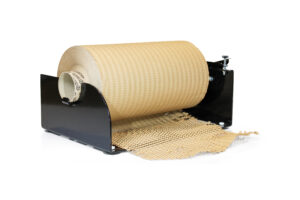
- Protective Packaging
-
-
- Can’t find what you’re looking for? Contact sales team on 0115 944 1600 or at sales@kbpackaging.com.
-
- Postal Packaging
-
-
- Can’t find what you’re looking for? Contact sales team on 0115 944 1600 or at sales@kbpackaging.com.
-
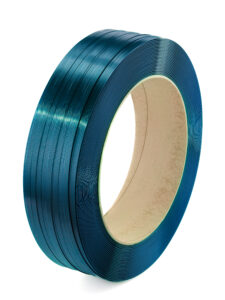
- Strapping
-
-
- Can’t find what you’re looking for? Contact sales team on 0115 944 1600 or at sales@kbpackaging.com.
-
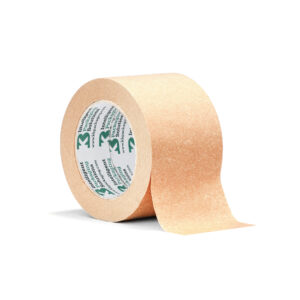
- Packing Tape
-
-
- Can’t find what you’re looking for? Contact sales team on 0115 944 1600 or at sales@kbpackaging.com.
-
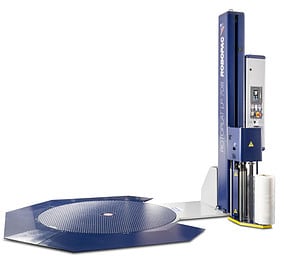
- Equipment
-
-
-
- Can’t find what you’re looking for? Contact sales team on 0115 944 1600 or at sales@kbpackaging.com.
-
-
- Warehouse Supplies
-
-
- Can’t find what you’re looking for? Contact sales team on 0115 944 1600 or at sales@kbpackaging.com.
-
- Chilled
-
-
- Can’t find what you’re looking for? Contact sales team on 0115 944 1600 or at sales@kbpackaging.com.
-

Trustpilot

Order within 11h 25m for delivery tomorrow
Shop online & earn loyalty points
Your order time cut by 42%*