Choosing the right packaging for shipping isn’t just about putting a product in a box. It’s about ensuring your product arrives safely, your costs stay controlled, and your packing process remains efficient.
When packaging is treated as an afterthought, it often leads to damage, wasted materials, and unnecessary shipping costs. When it’s planned properly, it becomes a key part of your operation.
This guide breaks down what you actually need to ship your product and how to choose the right combination.
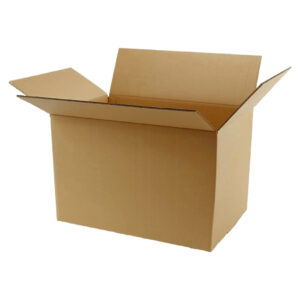
Start with the Right Box
Your outer packaging is your first line of defence.
The type of box you choose should depend on your product’s weight, fragility, and how it moves through your supply chain.
- Single-wall boxes – Best for lightweight, durable items
- Double-wall boxes – Ideal for heavier or fragile products needing extra strength
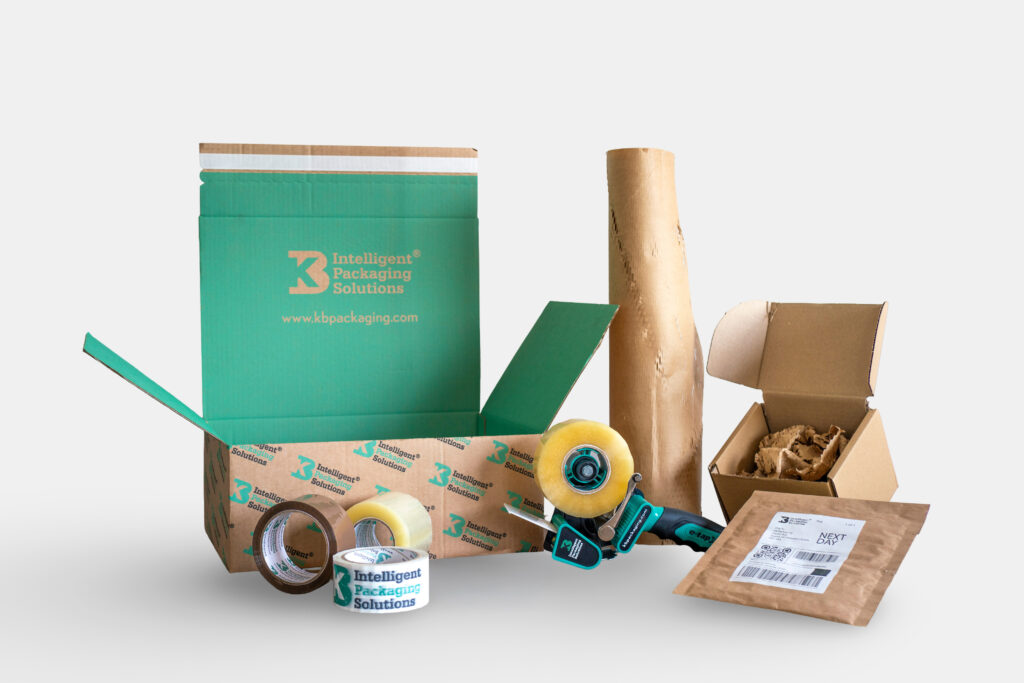
- Mailer boxes – Suitable for eCommerce and presentation-led deliveries
- Crash lock boxes – Designed for fast packing environments
Choosing the wrong box size can increase shipping costs and require more filler than necessary. Right-sizing reduces waste and improves efficiency.
Add Protective Materials (Only Where Needed)
Protection is critical — but overpacking can be just as costly as underpacking.
Consider how your product behaves during transit:
- Does it move inside the box?
- Is it fragile or impact-sensitive?
- Will it be stacked or compressed?
Common protective materials include:
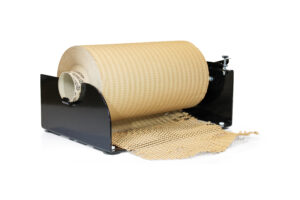
- Void fill (paper or air cushions) – Prevents movement in transit
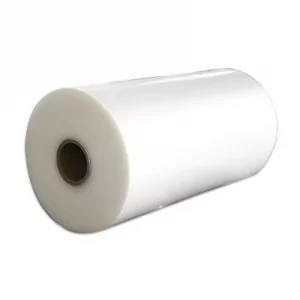
- Bubble wrap – Provides cushioning for fragile items
- Foam inserts or bespoke fitments – For high-value or delicate products
Fragile goods should combine strong outer packaging with internal cushioning to reduce damage risk
Seal It Properly
Sealing is often overlooked, but it directly affects product security.
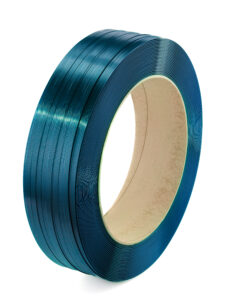
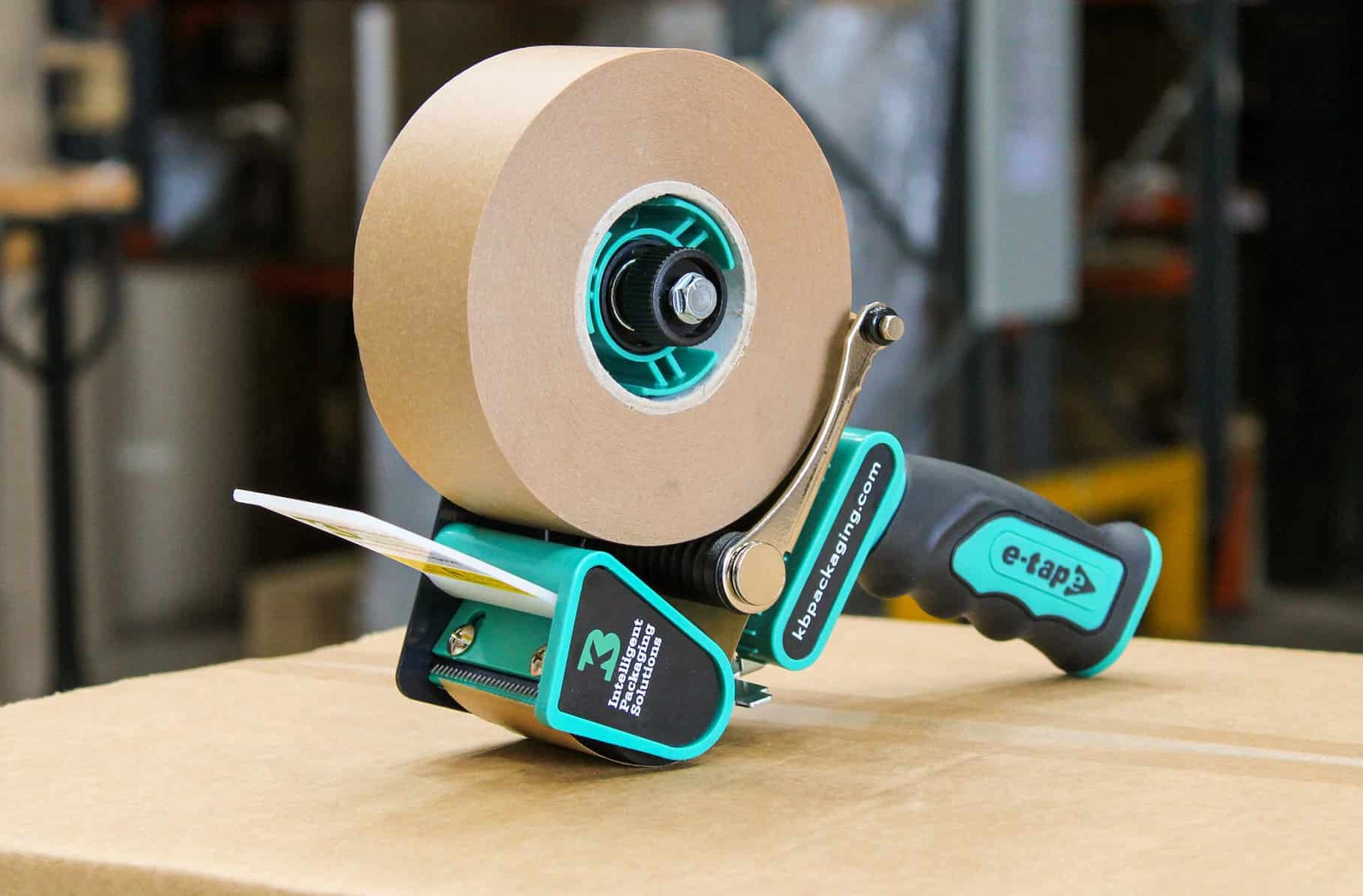
- Packaging tape – Standard for most shipping cartons
- Reinforced or heavy-duty tape – For heavier loads
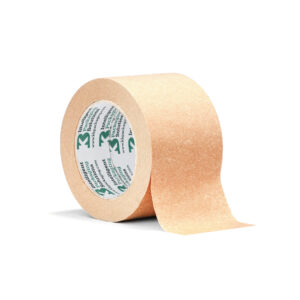
- Paper tape – For tamper evidence and sustainability
Poor sealing can lead to product loss or damage, especially during handling and transport.
Consider Handling & Transport
Packaging doesn’t just protect — it needs to work across your entire process.
Ask:
- Will this be palletised?
- How many times will it be handled?
- Does it need labelling or compliance markings?
Packaging should support:
- Efficient packing processes
- Safe stacking and storage
- Smooth transport through couriers or pallets
Well-specified packaging improves warehouse speed and reduces operational friction.
Don’t Ignore the Customer Experience
For many businesses, packaging is the first physical interaction customers have with the brand.
Depending on your product:
- Clean, well-fitting packaging improves perceived quality
- Printed or branded boxes enhance presentation
- Easy-open designs improve usability
This is especially important for eCommerce or retail-facing businesses.
Balance Cost, Protection, and Sustainability
The goal isn’t more packaging — it’s better packaging.
Every decision should balance:
- Product protection
- Material cost
- Packing efficiency
- Environmental impact
Excessive packaging increases costs and waste, while insufficient packaging leads to damage and returns.
The packaging you need depends on your product — but the approach should always stay the same:
Protect the product → optimise the size → support the process
When these three elements are aligned, packaging becomes something that supports your operation rather than slows it down
If you’re unsure whether your current packaging is doing its job properly, it’s often worth reviewing how it performs across your full process, not just at the packing bench. Speak to us to find out about more of our packaging reviews to optimise your business’ work flow