Trustpilot

Next Day Delivery*

Shop online & earn loyalty points

Your order time cut by 42%*

Beginner’s Guide To Packaging Materials

Caitlyn Sims

Beginner’s Guide to Packaging Materials (and When to Use Each)

Packaging materials do far more than protect a product. The right choice can improve packing speed, reduce waste, prevent damage in transit, and cut overall costs, while the wrong one quietly creates inefficiencies across your operation.

For businesses new to packaging or reviewing their materials for the first time, understanding what each material is designed to do, and when it should be used, is the foundation of an efficient packaging strategy.

This beginner’s guide breaks down the most common packaging materials, what they’re best suited for, and how to choose the right option for your product, process, and supply chain.

Why Choosing the Right Packaging Material Matters

Packaging isn’t just a box. Every material used plays a role in:

  • Product protection – Preventing damage, contamination, and breakages
  • Operational efficiency – How quickly items can be packed and sealed
  • Cost control – Reducing waste, damage, returns, and excess materials
  • Customer perception – Setting expectations before the box is opened
  • Sustainability goals – Using recyclable, renewable, or reduced materials
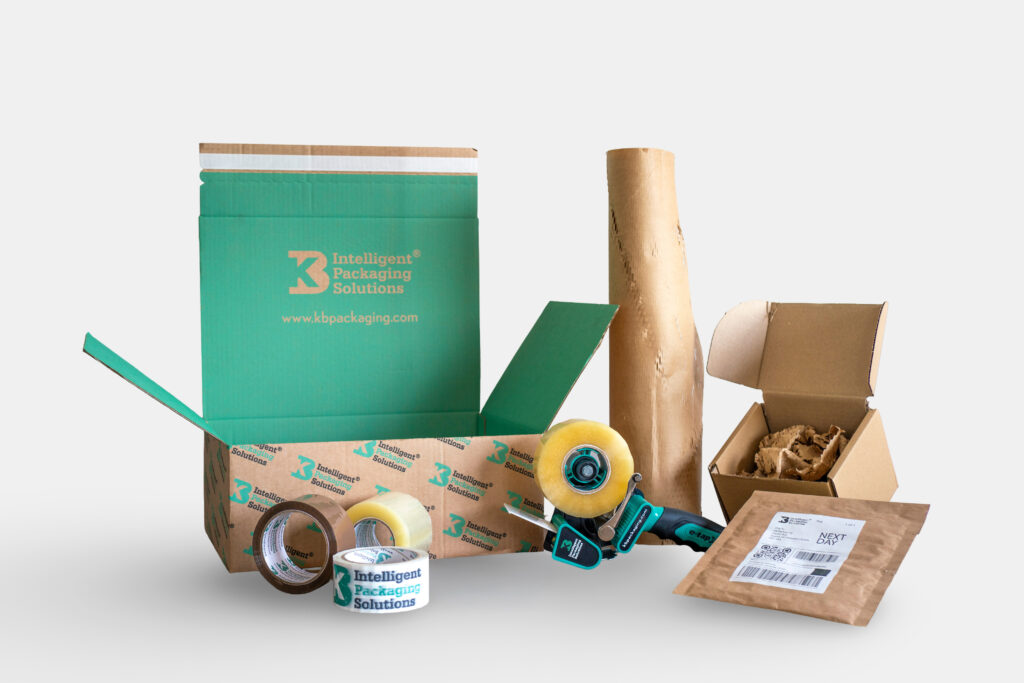
Packaging materials including a corrugated cardboard box, packaging tape, kraft paper, postal packaging, and void fill materials used for packing and shipping products.

Getting materials right at the start often eliminates problems long before they appear downstream.

Corrugated Cardboard Boxes

Corrugated cardboard is one of the most widely used packaging materials across eCommerce, fulfilment, retail, and manufacturing.

When to use corrugated boxes:

  • Shipping individual products or multiple items together
  • Protecting goods during courier or palletised transport
  • Creating stackable, stable loads
  • Custom printing or branding requirements


Key benefits:

  • Lightweight yet strong
  • Fully recyclable and widely accepted
  • Available in standard and bespoke sizes
  • Compatible with automation and manual packing lines


Tip: Oversized boxes lead to excess void fill, higher shipping costs, and increased damage risk. Right‑sizing is one of the quickest efficiency wins.

Protective Packaging Materials (Void Fill)

Void fill protects products inside a box by preventing movement during transit. As a result, it plays an important role in reducing damage, improving presentation, and creating a better customer experience.

Common options include:

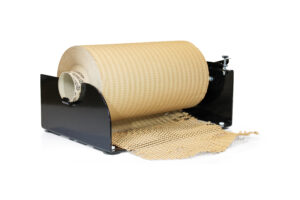
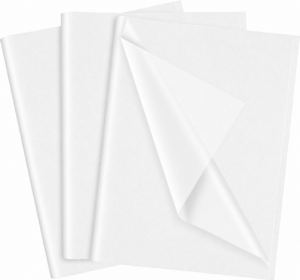
  • Paper void fill – Provides flexible, recyclable cushioning and supports sustainability goals.
  • Bubble wrap – Absorbs shocks and helps protect fragile products from impact.
  • Air pillows – Deliver lightweight cushioning for lower-risk items while keeping parcel weights down.
  • Corrugated fitments – Create bespoke internal protection for products shipped regularly.


When to use protective materials:

  • When products leave empty space inside the box.
  • When shipping fragile, high-value, or unusually shaped items.
  • When products pass through courier networks with multiple handling points.


Best practice: Rather than relying on habit, assess the level of movement risk and choose protection accordingly. By selecting the right material, you can reduce waste, control costs, and minimise returns.

Packaging Tape

Although many businesses overlook packaging tape, it plays a vital role in pack speed, seal integrity, and shipment security. Consequently, choosing the right tape can improve efficiency while helping prevent transit issues.

Common tape types:

  • Acrylic tape – Offers a cost-effective sealing solution for lighter cartons.
  • Hot melt tape – Provides stronger adhesion for heavier or more demanding applications.
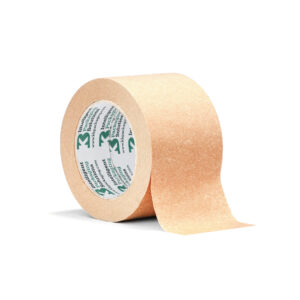
  • Paper tape – Creates a recyclable pack and delivers tamper-evident security when paired with corrugated board.


When to review your tape choice:

  • If you run a high-volume packing operation.
  • If frequent roll changes are slowing productivity.
  • If cartons regularly open or fail during transit.


By selecting the right tape system, you can reduce downtime, minimise material waste, and improve operator comfort, particularly in fast-paced packing environments.


Stretch Wrap and Pallet Stability Materials

Once products leave the packing bench, maintaining pallet stability becomes essential. Without proper containment, loads can shift during storage and transport, increasing the risk of damage.

Used for:

  • Securing palletised loads.
  • Reducing movement throughout transport.
  • Protecting goods from dust, moisture, and load shift.


Options include:

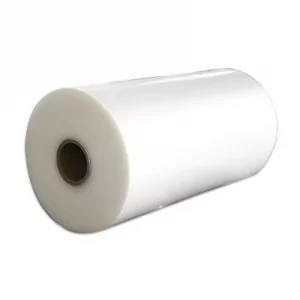
  • Hand stretch wrap – Gives operators a flexible solution for lower-volume wrapping.
  • Machine stretch wrap – Delivers consistent containment and film application at higher volumes.
  • Anti-slip sheets – Improve load stability while helping reduce stretch film consumption.


By improving pallet containment, businesses can reduce transit damage, maintain product quality, and lower the costs associated with returns and replacement shipments.

Sustainable Packaging Materials

Today, sustainability influences packaging decisions as much as performance and cost. Therefore, many businesses are reviewing their packaging materials to reduce waste and meet environmental goals.

Common sustainable choices:

  • Recycled and recyclable corrugated cardboard.
  • Paper-based void fill.
  • Paper tape as an alternative to plastic tape.
  • Right-sized packaging that reduces unnecessary material use.


However, the most effective sustainable packaging strategies do more than simply replace one material with another. Instead, they focus on reducing overall material consumption while maintaining product protection and operational efficiency.

How to Choose the Right Material for Your Operation

Rather than choosing packaging materials in isolation, evaluate how they support your products, processes, and business goals.

Ask yourself:

  • How fragile is the product?
  • How far will it travel, and how often will handlers move it?
  • How quickly does the product need to be packed?
  • Is this a one-off shipment or part of a repeat process?
  • Does the packaging need to support sustainability targets?


By answering these questions, you can select packaging materials that improve efficiency, protect products, and support long-term operational performance.

When to Review Your Packaging Materials

Packaging materials should evolve alongside your business. As products, volumes, and customer expectations change, reviewing your packaging strategy can uncover valuable opportunities for improvement.

Consider reviewing your packaging materials when:

  • Product sizes or weights change.
  • Order volumes increase or peak season approaches.
  • Damage claims or returns begin to rise.
  • Packing efficiency becomes a challenge.
  • Sustainability requirements develop further.


Even small adjustments to packaging materials can deliver significant gains in efficiency, cost control, and product protection.

Conclusion

Ultimately, the right packaging materials do much more than protect products. They help businesses streamline operations, reduce costs, improve sustainability, and enhance customer satisfaction. By understanding the purpose of each material and using it effectively, you can build a packaging process that remains efficient, scalable, and ready to support future growth.

Share this post

Facebook
Twitter
LinkedIn

More Posts

See more posts

Products

Sign up to receive exclusive offers and packaging tips.

Subscribe for promotions, special offers and news from the packaging industry.