GRP Handrail Systems
GRP Handrail Systems provide a lightweight, durable and corrosion-resistant solution for creating safety handrails, pedestrian walkways, platform protection and access barriers in warehouses, factories and industrial environments.
Manufactured from Glass Reinforced Plastic (GRP), these modular handrail systems offer an alternative to traditional steel handrails where low weight, corrosion resistance, low maintenance or non-conductivity are important considerations.
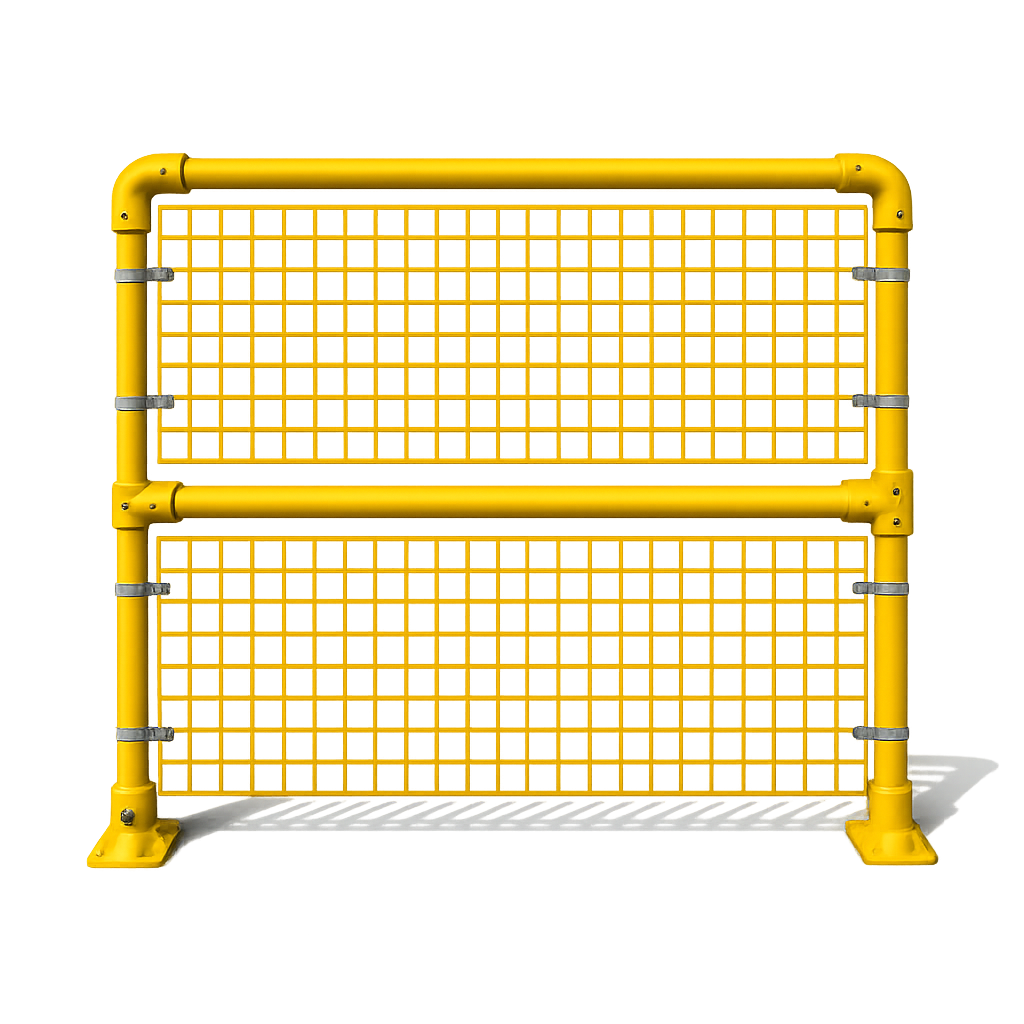
The modular design allows individual GRP components to be combined to create handrail systems around walkways, platforms, access areas and other industrial applications.
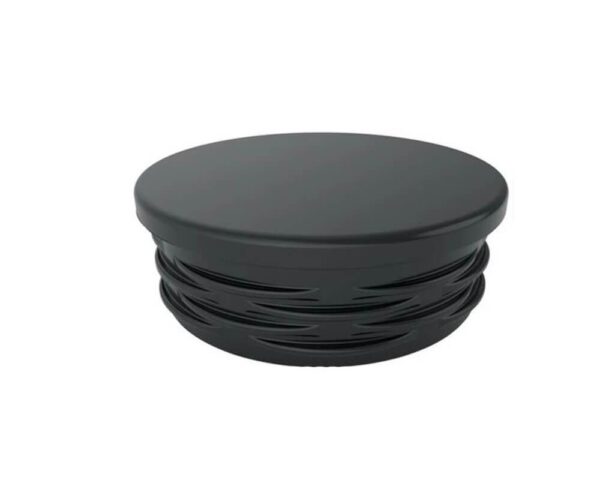
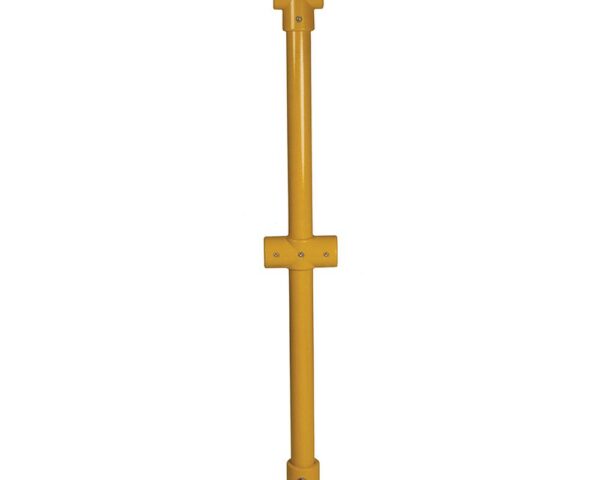
KB Packaging supplies a comprehensive range of Warehouse GRP Handrail Systems and components, including 50mm tube, posts, elbows, tees, bases, connectors, kick plates and accessories.
What Is a GRP Handrail System?
GRP, or Glass Reinforced Plastic, is a composite material manufactured using glass reinforcement within a resin matrix.
GRP is widely used in industrial environments because it can provide a combination of:
- Lightweight construction
- High strength
- Corrosion resistance
- Low maintenance
- Non-conductivity
- Long service potential
- Resistance to many demanding environments
These characteristics make GRP particularly useful for handrails and access systems where traditional steel may require additional corrosion protection or more regular maintenance.
Warehouse GRP Handrails
Warehouse GRP handrails can be used to create defined pedestrian routes, protect access areas and provide physical separation around operational areas.
The lightweight nature of GRP can make components easier to handle during installation, while the material’s resistance to corrosion makes it suitable for environments where moisture or corrosive conditions may be present.
Applications can include:
- Warehouse walkways
- Pedestrian routes
- Access platforms
- Industrial platforms
- Maintenance areas
- Machinery access
- Factory walkways
- External access routes
- Plant areas
- Service areas
Modular GRP Handrail System
One of the key benefits of a modular GRP handrail system is the ability to create different configurations using individual components.
A typical system can include:
- GRP handrail tube
- GRP posts
- End posts
- Intermediate posts
- Corner posts
- Base feet
- Elbows
- Tees
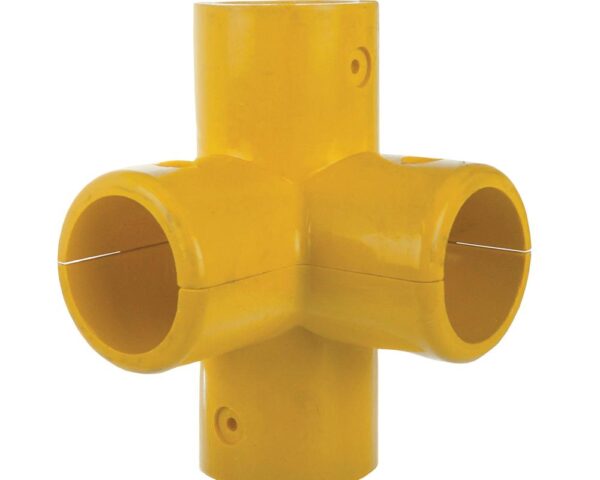
- Cross fittings
- Connectors
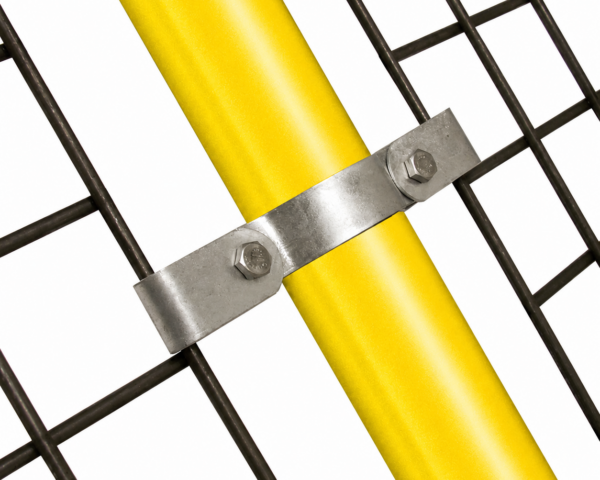
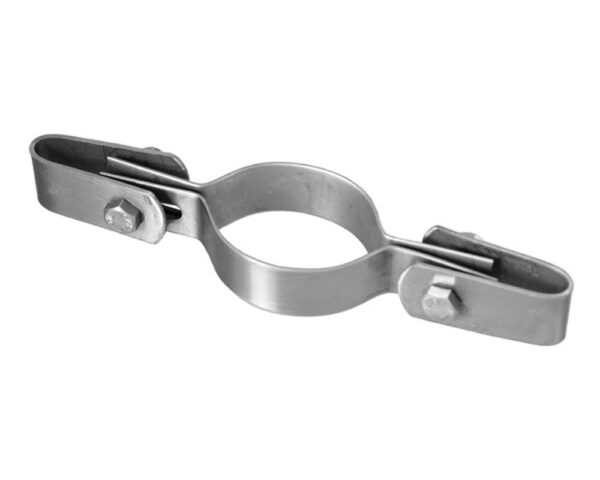
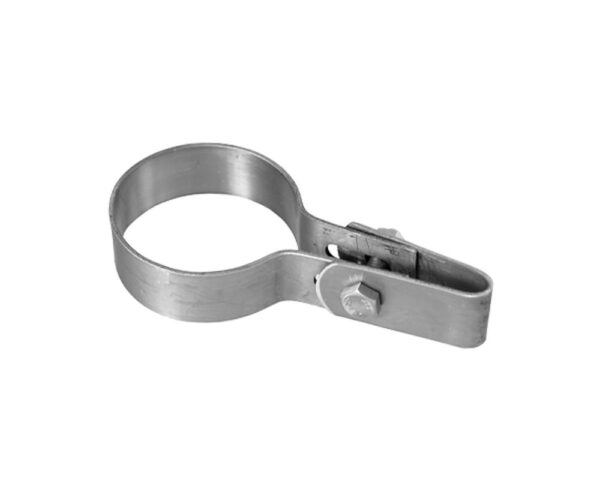
- Mounting components
- Kick plates
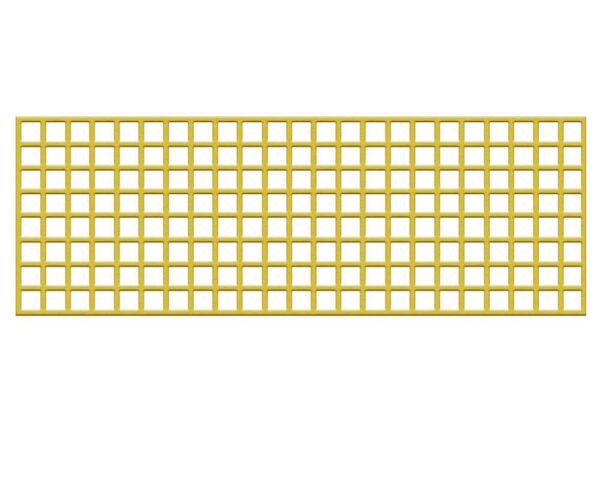
- Mesh infill
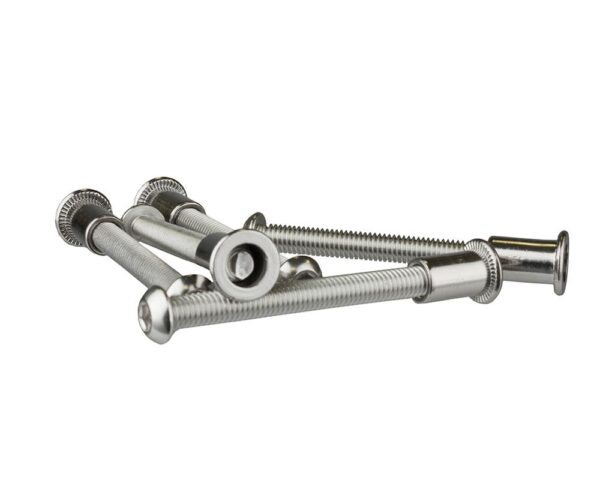
- Fixings and accessories
This allows the system to be configured around different walkway, platform and access requirements.
50mm GRP Handrail Tube
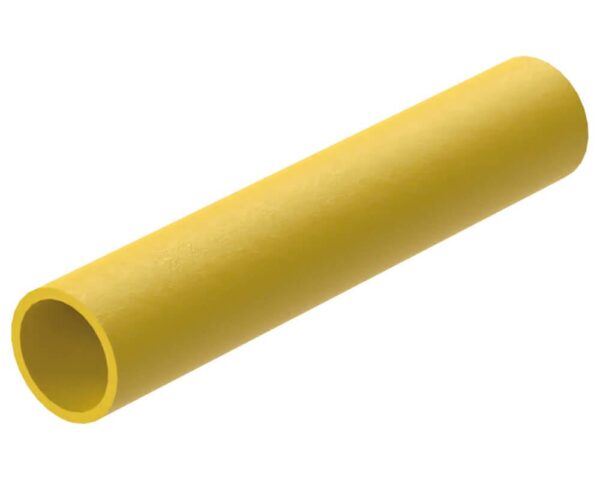
KB Packaging’s current GRP handrail range is based around 50mm diameter GRP tube, with compatible fittings and components available throughout the system.
The tube provides the main horizontal and vertical elements of the handrail system and can be combined with the appropriate posts and fittings to create different configurations.
This modular approach means that customers can purchase the components required for their particular installation rather than relying on a single pre-configured system.
GRP Handrail Components
GRP Handrail Tube
The GRP tube forms the main rail and supporting elements of the system.
Its lightweight construction makes it easier to handle than many traditional steel alternatives.
GRP Handrail Posts
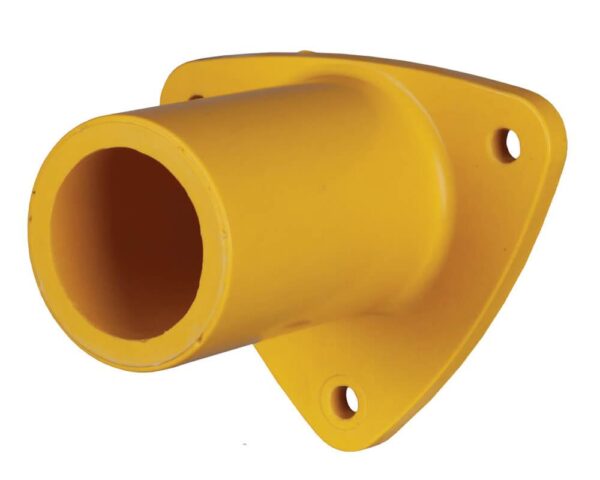
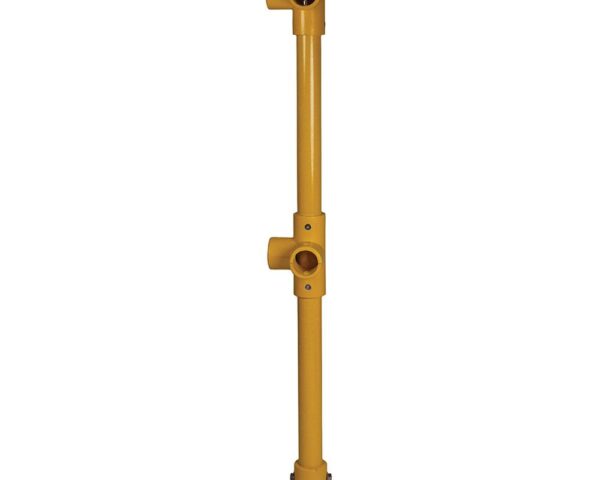
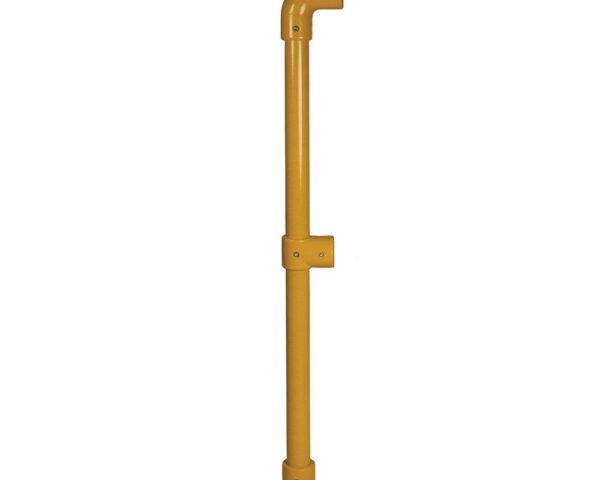
Posts provide vertical support and connect the handrail system to the floor or supporting structure.
End, intermediate and corner configurations can be used to create different layouts.
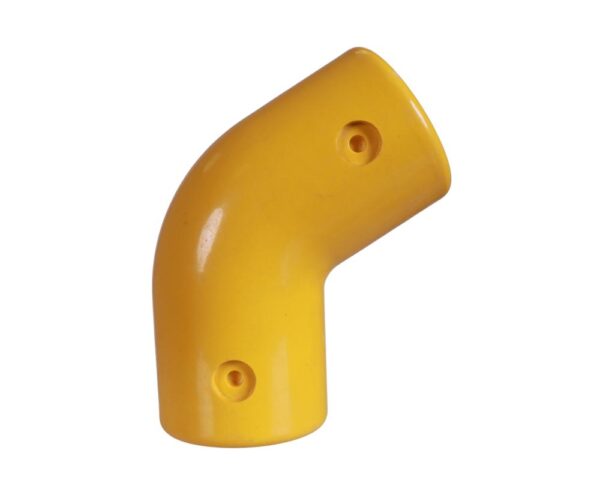
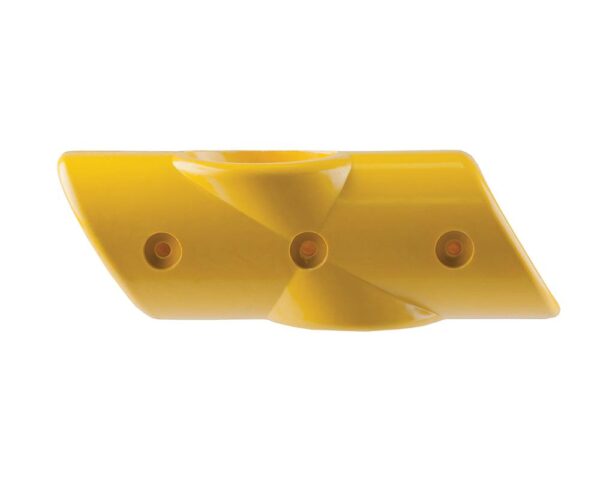
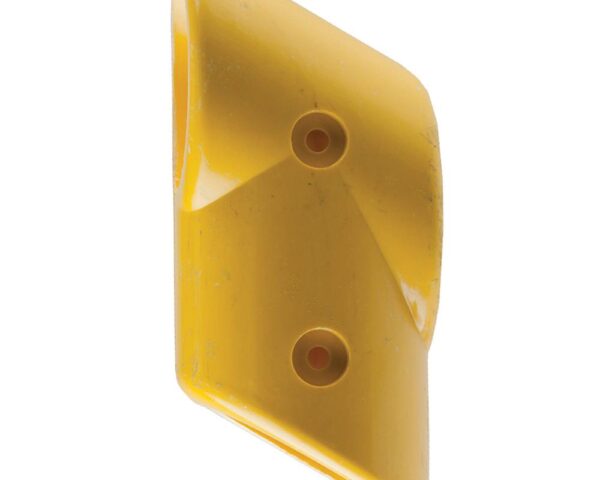
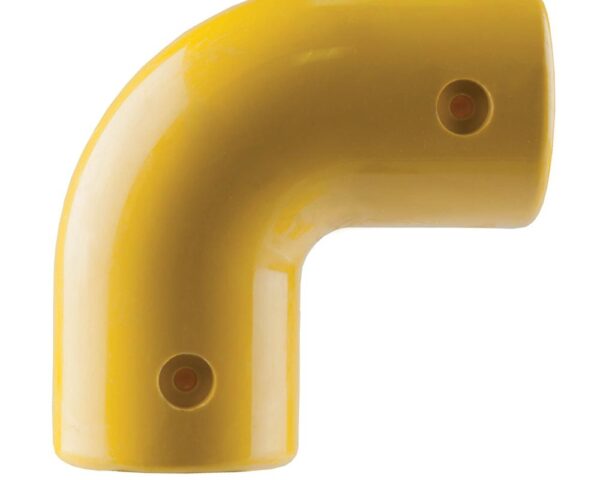
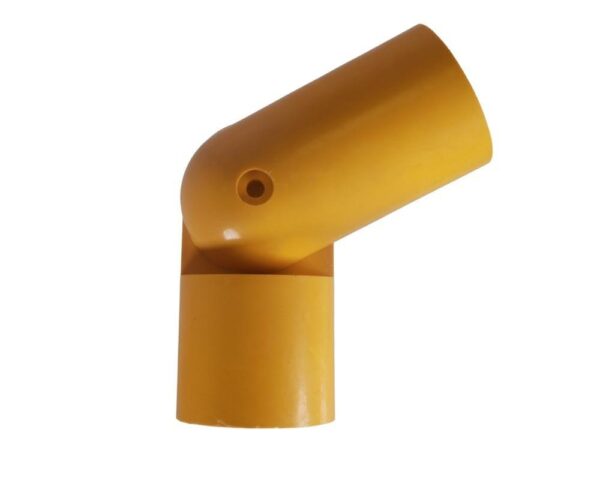
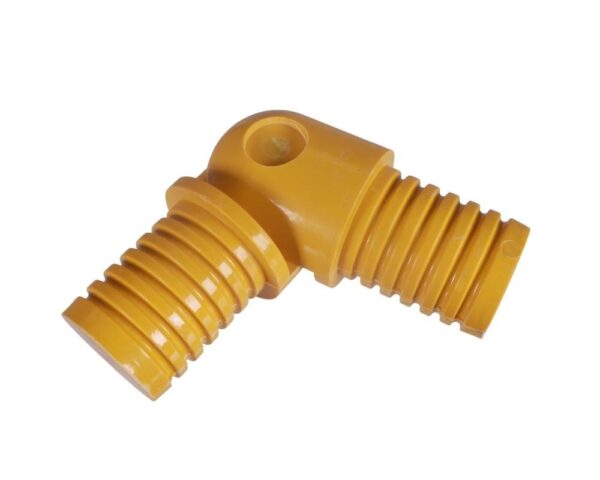
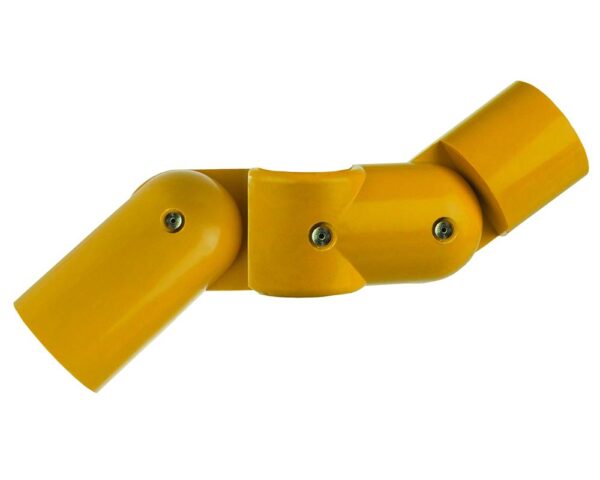
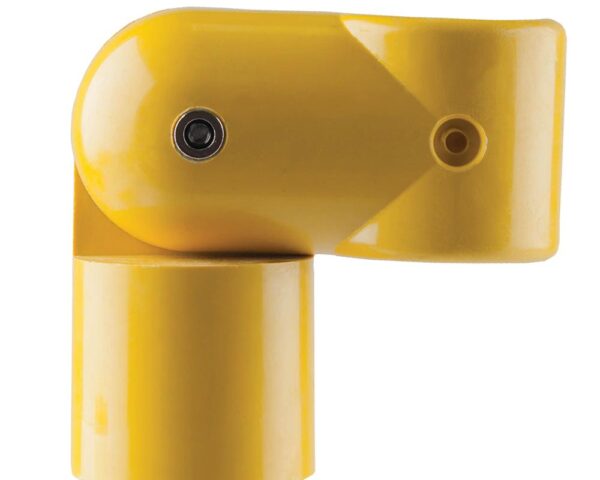
GRP Elbows
Elbow fittings allow the handrail to change direction around corners and access areas.
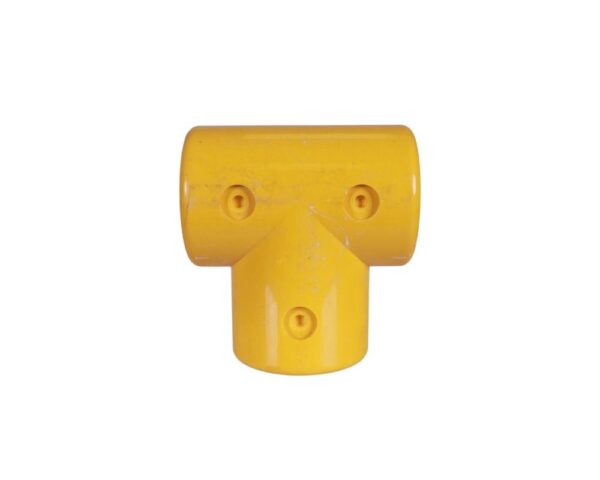
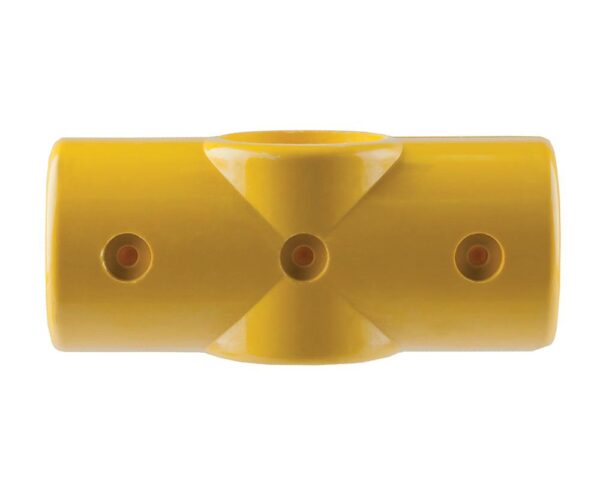
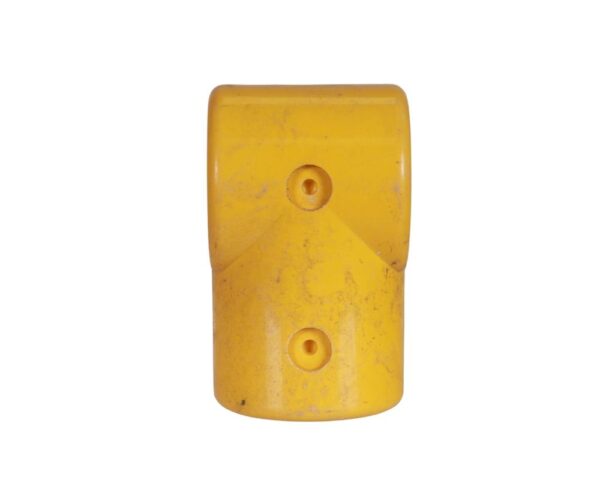
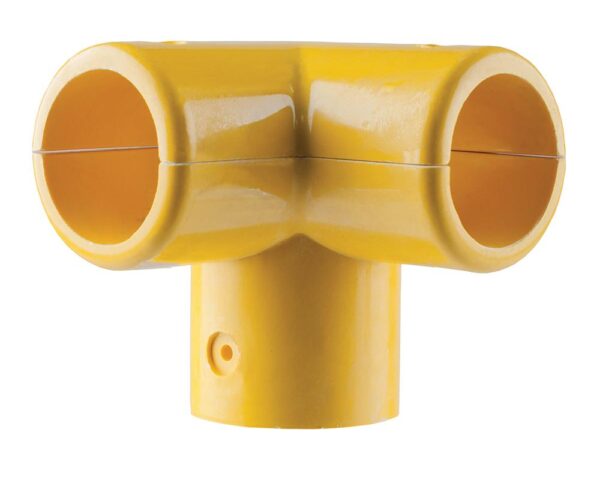
GRP Tees and Connectors
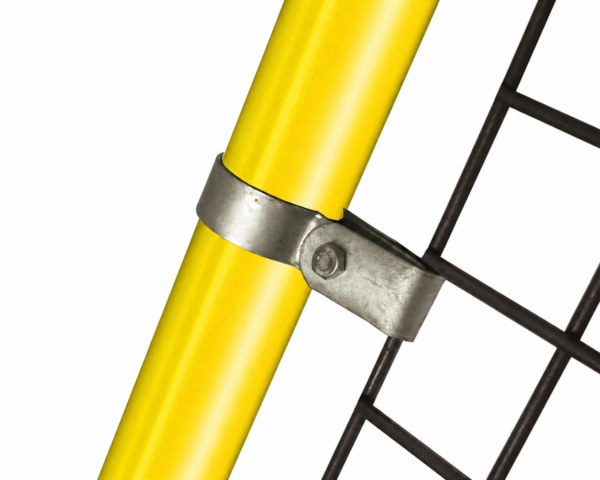
Tees and connectors allow multiple sections of handrail to be joined together, providing flexibility when creating more complex configurations.
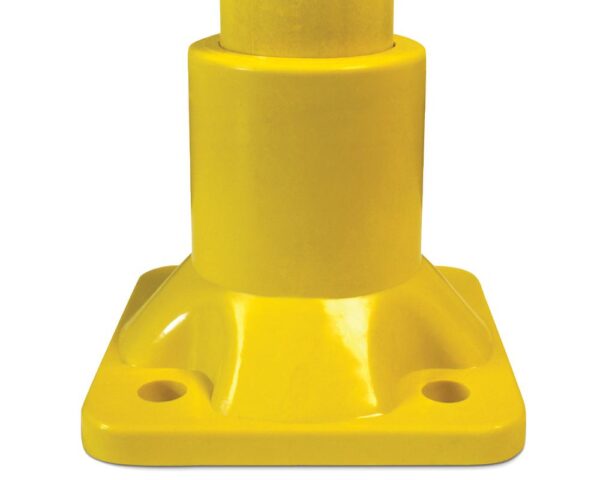
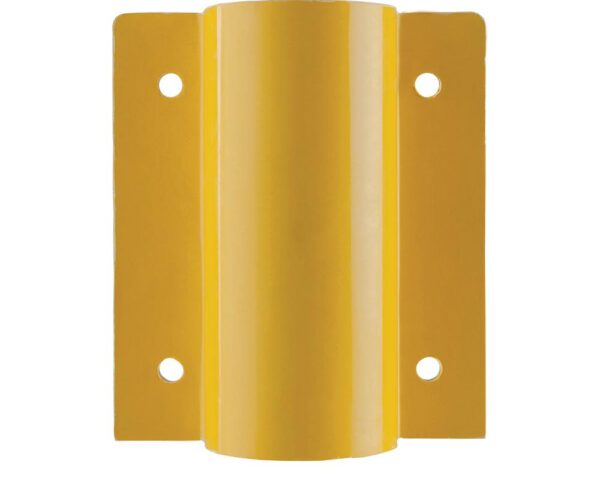
GRP Base Feet
Base feet provide the connection between the GRP handrail and the supporting floor or structure.
The appropriate fixing method should always be selected according to the installation requirements and manufacturer’s recommendations.
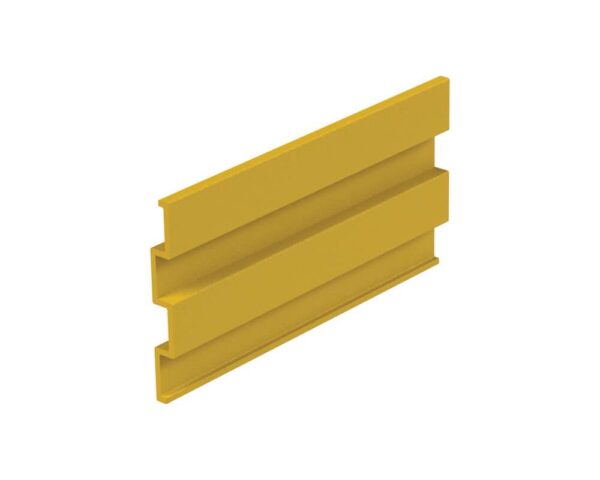
GRP Kick Plates
Kick plates can be incorporated into appropriate installations to provide additional protection at the base of the handrail system.
KB Packaging currently supplies 100mm x 14mm x 5.8m GRP kick plates within the range.
Benefits of GRP Handrail Systems
Lightweight
GRP is considerably lighter than many steel alternatives, making components easier to transport, handle and install.
This can be particularly useful where components need to be carried into difficult-to-access areas.
Corrosion Resistant
One of the key advantages of GRP is its resistance to corrosion.
Unlike conventional steel, GRP does not rust, making it suitable for environments where exposure to moisture or corrosive substances is a consideration.
Low Maintenance
GRP does not require the same type of corrosion treatment as conventional steel handrails.
This can make it an attractive option for installations where minimising maintenance is important.
Non-Conductive
GRP is electrically non-conductive, making it suitable for certain applications where electrical conductivity needs to be avoided.
The suitability of the system should always be assessed for the specific electrical application.
Modular
The system uses individual components that can be combined to create different configurations.
High Visibility
GRP handrails are commonly available in high-visibility finishes, making them suitable for industrial environments where clear visual identification is desirable.
GRP Handrails for Industrial Applications
GRP is particularly useful in demanding environments where resistance to corrosion and low maintenance are important.
Potential applications include:
- Manufacturing facilities
- Warehouses
- Water treatment facilities
- Wastewater environments
- Chemical processing areas
- Industrial plants
- Marine environments
- Outdoor installations
- Utility infrastructure
- Processing facilities
- Engineering sites
The actual suitability of GRP will depend on the specific resin, reinforcement, environment and application.
GRP Handrails for Walkways and Platforms
GRP walkway handrails can be used to provide a physical boundary around pedestrian routes and access areas.
They can be configured around:
- Industrial walkways
- Raised platforms
- Access platforms
- Maintenance platforms
- Factory walkways
- Service areas
- Plant areas
- External access routes
The modular system allows straight sections to be combined with corners, posts and other fittings to follow the required layout.
GRP Platform Handrails
GRP is particularly useful for platform and access applications where corrosion resistance and low maintenance are important.
A modular system can be configured around the perimeter of a platform using appropriate posts, rails, fittings and kick plates.
Before installation, the system should be assessed against the requirements of the specific platform and application, including any applicable loading, guarding and access requirements.
GRP Handrails for Corrosive Environments
One of the major advantages of GRP is its resistance to corrosion.
This makes GRP handrails particularly attractive for environments where steel may require additional protective coatings or regular maintenance.
Potential applications include:
Water and Wastewater
GRP can be used around water treatment and wastewater facilities where exposure to moisture is unavoidable.
Chemical Environments
GRP can be suitable for certain chemical environments, subject to confirmation of the material’s chemical resistance against the substances present.
Marine Environments
GRP’s corrosion resistance can make it suitable for certain coastal and marine applications.
Outdoor Industrial Areas
GRP can be used in many external industrial applications where weather exposure is a consideration.
The exact suitability should always be confirmed against the manufacturer’s technical data for the specific environment.
GRP vs Steel Handrails
KB Packaging supplies both GRP and steel handrail systems, allowing customers to select the material most appropriate for their application.
| Feature |
GRP Handrail |
Steel Handrail |
| Weight |
Lightweight |
Heavier |
| Corrosion resistance |
Excellent |
Depends on finish |
| Maintenance |
Low |
Depends on finish |
| Electrical conductivity |
Non-conductive |
Conductive |
| Strength |
Excellent |
Excellent |
| Outdoor applications |
Excellent |
Depends on coating |
| Chemical environments |
Potentially excellent |
Depends on coating/material |
| Installation handling |
Easy |
Heavier |
GRP can therefore be particularly attractive where corrosion, maintenance or weight are important considerations.
GRP vs Yellow Steel Handrails
Yellow steel provides a robust and highly visible solution for warehouse environments.
GRP provides many of the same benefits while offering additional advantages such as low weight and corrosion resistance.
View Warehouse Yellow Steel Handrail Systems →
GRP Handrail Systems for Pedestrian Segregation
GRP handrails can be used to create clearly defined pedestrian routes within warehouses and industrial environments.
Applications can include:
- Warehouse walkways
- Factory walkways
- Access routes
- Maintenance areas
- Production areas
- Platform access
- Plant areas
A physical handrail can help establish a clear boundary between pedestrians and operational areas.
Where forklifts or other vehicles present an impact risk, however, a purpose-designed crash barrier should be considered.
View Warehouse Steel Crash Barrier Systems →
GRP Handrail Systems for Warehouses
Warehouses can benefit from GRP handrails where corrosion resistance, low maintenance or lightweight construction are important.
They can be used around:
- Pedestrian walkways
- Access areas
- Machinery
- Platforms
- Maintenance areas
- Service areas
- Warehouse infrastructure
The high-visibility finish can also make the handrail easier to identify within busy warehouse environments.
Choosing the Right GRP Handrail System
Before selecting your system, consider:
Application
Determine whether the handrail is required for a walkway, platform, access area, machinery area or another application.
Environment
Consider exposure to:
- Water
- Moisture
- Chemicals
- Salt
- Weather
- Temperature extremes
Layout
Measure the total length required and identify corners, junctions and access points.
Components
Determine the number of posts, elbows, tees, bases and other fittings required.
Mounting
Confirm the supporting floor or structure is suitable for the proposed fixing arrangement.
Loading Requirements
For safety-critical applications, confirm the system meets the required design and loading requirements for the installation.
Planning a GRP Handrail Installation
Step 1 – Measure the Area
Measure the total length of handrail required.
Step 2 – Identify Corners
Record any changes in direction requiring elbows or corner fittings.
Step 3 – Determine Post Locations
Allow for the required end, intermediate and corner posts according to the system specification.
Step 4 – Identify Access Points
Determine whether gates or openings are required.
Step 5 – Select Base Components
Choose the appropriate mounting and base components for the installation surface.
Step 6 – Add Protection
Consider kick plates or mesh infill where required by the application.
Step 7 – Check the Specification
Confirm the complete system is appropriate for the intended environment and application before installation.
Warehouse GRP Handrail Systems from KB Packaging
KB Packaging supplies GRP Handrail Systems for warehouses, factories, industrial sites and demanding commercial environments throughout the UK.
Our modular range includes 50mm GRP tube, posts, elbows, tees, bases, connectors, kick plates and other components, allowing customers to configure a system around their specific requirements.
GRP provides an excellent alternative to traditional steel where low weight, corrosion resistance, low maintenance or non-conductivity are important considerations.
Whether you need a GRP handrail for a warehouse walkway, industrial platform, access area or demanding outdoor environment, our range provides the components needed to create a modular system.
Browse our Warehouse GRP Handrail Systems above or contact KB Packaging to discuss your requirements.
FAQs
What are GRP handrail systems?
GRP handrail systems are modular handrail and guarding systems manufactured from Glass Reinforced Plastic. They are used for walkways, platforms, access areas and other industrial applications.
What does GRP stand for?
GRP stands for Glass Reinforced Plastic. It is a composite material incorporating glass reinforcement within a resin matrix.
What are the benefits of GRP handrails?
GRP handrails are lightweight, corrosion resistant, low maintenance and non-conductive, making them suitable for a wide range of industrial applications.
Are GRP handrails suitable for warehouses?
Yes. GRP handrails can be used in warehouses for pedestrian walkways, access areas, machinery protection and other applications where their material properties are appropriate.
Are GRP handrails suitable outdoors?
GRP can be suitable for outdoor applications, particularly because of its corrosion resistance. However, the exact specification should be checked against the manufacturer’s technical information for the intended environment.
Are GRP handrails stronger than steel?
It isn’t accurate to say one is universally stronger. GRP and steel have different mechanical properties and the correct system should be selected according to the required loading and application.
Are GRP handrails suitable around chemicals?
GRP can offer good resistance to many corrosive environments, but chemical resistance depends on the specific resin and chemicals involved. The manufacturer’s chemical-resistance data should be checked before installation.
Can GRP handrails protect against forklifts?
A standard GRP handrail should not automatically be considered a vehicle-impact barrier. Where forklift impact protection is required, a purpose-designed steel crash barrier system should be considered.