Which Pallet Wrap Is Right for Your Business?
Not every pallet needs the same wrap
The right choice depends on what you’re wrapping, how often you’re wrapping it and the level of stability and protection your loads need.
From hand and machine pallet wrap to specialist films such as nanofilm and spiral wrap, understanding the differences can help you choose the right product for your application.
Here’s how to choose between the pallet wrap options available from KB Packaging
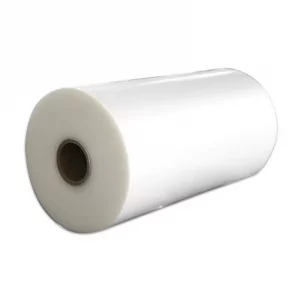
Hand Pallet Wrap
Best for businesses wrapping pallets manually.
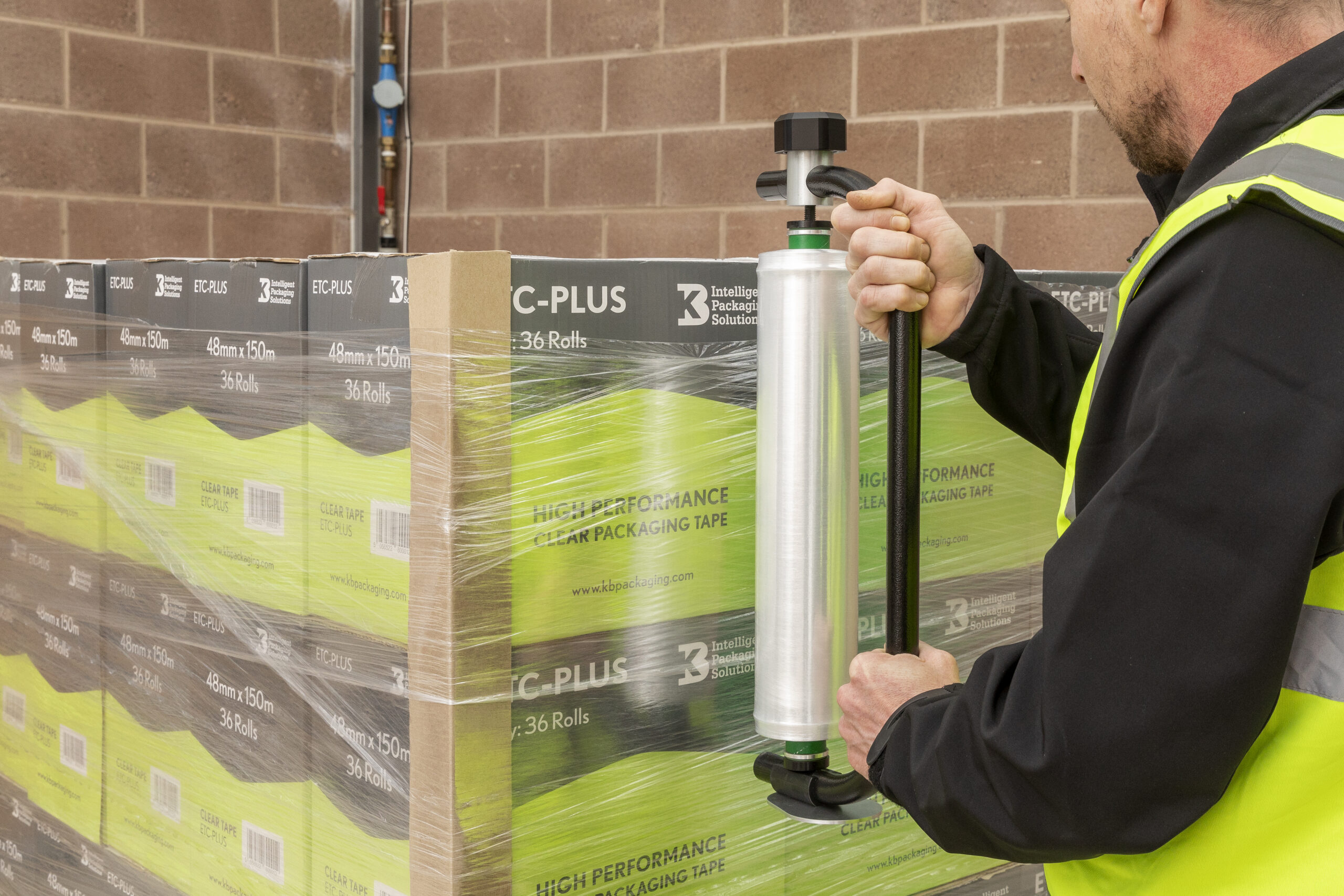
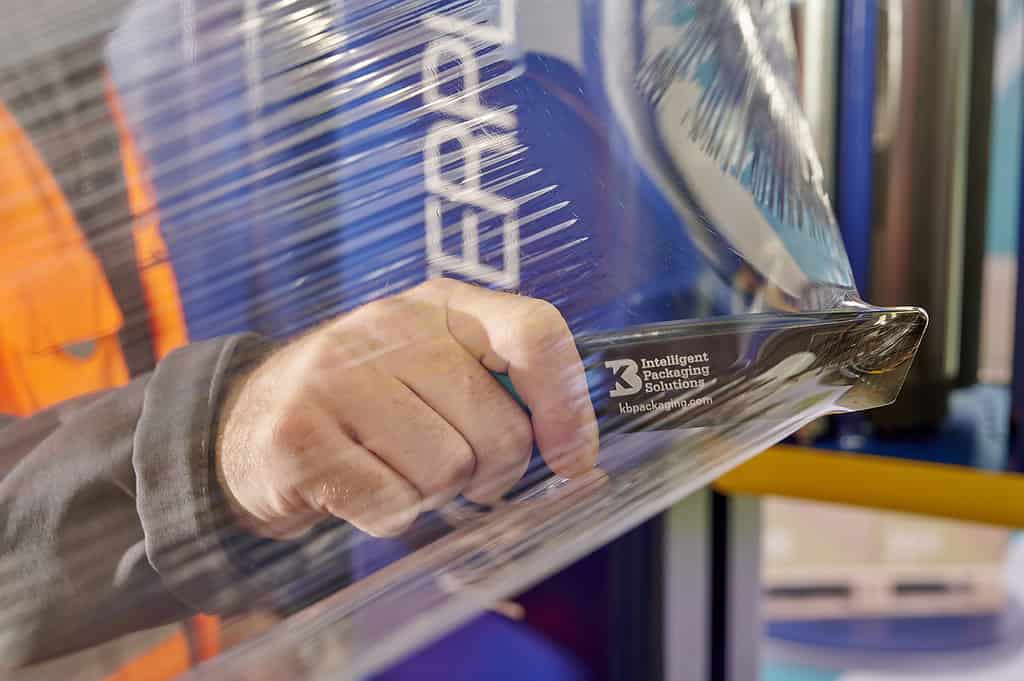
Hand pallet wrap is a flexible option for warehouses, dispatch areas and operations where pallets are wrapped by hand rather than using automated equipment.
It’s particularly suited to businesses with lower or varying pallet volumes, or where loads can differ considerably throughout the day.
When is hand pallet wrap the better choice?
Choose hand pallet wrap when:
- Pallets are wrapped manually.
- Your wrapping volumes don’t justify machinery.
- Load sizes and shapes regularly change.
- You need flexibility across different packing areas.
- You need coloured film to help identify or differentiate loads.
For more demanding applications, higher-performance films such as the Invictus blown hand pallet wrap provide high stretch alongside puncture and tear resistance, helping create a tight, secure wrap around the load.
Machine Pallet Wrap
Best for businesses wrapping larger volumes of pallets.
As pallet volumes increase, manually wrapping every load can become less efficient and less consistent.
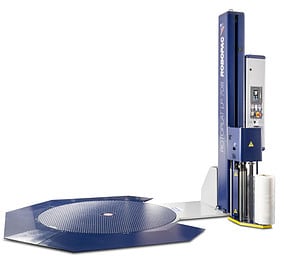
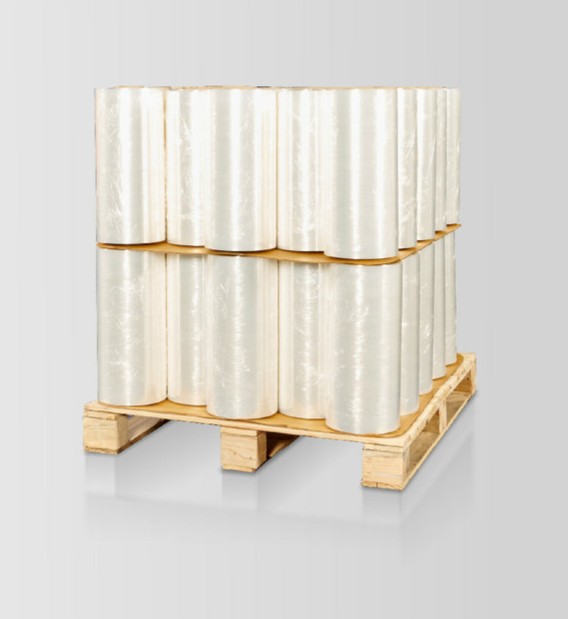
Machine pallet wrap is designed to work with pallet wrapping equipment, helping businesses achieve a more repeatable application across their loads.
When is machine pallet wrap the better choice?
Consider machine pallet wrap when:
- You’re wrapping high volumes of pallets.
- Pallets are wrapped continuously throughout the day.
- Consistency between loads is important.
- You’re looking to improve packing efficiency.
- You want to optimise film consumption through controlled application.
The film specification needs to match your wrapping equipment, including its pre-stretch capabilities and the containment requirements of your loads.
What’s the Difference Between Blown and Cast Pallet Wrap?
Pallet wrap is commonly manufactured using two different processes: blown film and cast film.
Although both are designed to stretch around and secure pallet loads, their manufacturing processes influence their performance characteristics.
Blown pallet wrap
Blown film is manufactured by extruding plastic into a tube and inflating it to create a film bubble before cooling and winding.
It generally offers good puncture and tear resistance, making it particularly useful for loads with sharp edges, irregular shapes or more demanding wrapping requirements.
Cast pallet wrap
Cast film is manufactured by extruding plastic through a flat die onto chilled rollers, where it cools and solidifies.
It typically offers good clarity, consistent thickness and quieter unwinding, making it a popular choice for many everyday pallet-wrapping applications.
The best option depends on the load, wrapping equipment and performance requirements. Neither manufacturing process automatically guarantees better overall performance, so it’s important to consider the complete film specification.
What Do Microns Mean in Pallet Wrap?
When looking at pallet wrap, you’ll often see specifications such as 12Mu, 17Mu or 23Mu. But what do they actually mean?
Mu refers to microns, which measure the thickness of the film.
1 micron = 0.001mm.
This means:
- 12-micron pallet wrap is 0.012mm thick.
- 17-micron pallet wrap is 0.017mm thick.
- 23-micron pallet wrap is 0.023mm thick.
Does a Higher Micron Mean Stronger Pallet Wrap?
Not necessarily.
Traditionally, a thicker film could be selected for heavier or more demanding loads because there is physically more material. However, micron alone doesn’t tell you how well a pallet wrap will perform.
The film’s construction, stretch, puncture resistance, tear resistance and load retention all make a difference too.
For example, we stock 12-micron Invictus blown hand pallet wrap with 150% stretch, designed to offer high puncture and tear resistance despite its relatively thin gauge.
This demonstrates why comparing films purely on micron can be misleading.
What Does Stretch Percentage Mean?
Stretch percentage describes how far pallet wrap can elongate from its original length.
For example, 150% stretch means the film can extend to 2.5x its original length under the specified test conditions.
Stretch performance is important because it influences how the film is applied, how effectively it conforms around the load and how much film may be needed to secure a pallet.
However, more stretch doesn’t automatically mean better load stability. The film must retain sufficient tension and containment force to keep the load secure.
So, Which Micron Should You Choose?
Rather than automatically choosing a thicker film, think about:
- Load weight – heavier loads may place greater demands on the film.
- Load shape – sharp corners and irregular products can require greater puncture and tear resistance.
- Pallet stability – unstable loads may need greater containment.
- How you’re wrapping – hand and machine applications require different film specifications.
- Stretch performance – a higher-performance film can potentially achieve the required containment using less material.
- Film consumption – using more micron than the application requires can mean using unnecessary plastic on every pallet.
The aim isn’t to find the thickest film. It’s to find the right film specification for the load.
A thinner, higher-performance film may sometimes provide the required stability while reducing the amount of material used, whereas a more demanding application may require a heavier specification.
That’s why micron should be considered as one part of the specification rather than the deciding factor on its own.
Understanding Nanofilm: Can Thinner Film Reduce Plastic Usage?
Nanofilm is designed to deliver high performance using a reduced amount of plastic.
Its thinner construction and performance-focused design can help businesses optimise film consumption while maintaining the containment needed for their pallet loads.
For businesses wrapping large numbers of pallets, even small reductions in film usage per pallet can add up to significant material savings over time.
However, the important consideration isn’t simply how thin the film is. It’s how much film is required to achieve the necessary load stability and protection.
When comparing nanofilm with conventional pallet wrap, consider:
- The amount of film used per pallet.
- The level of stretch and pre-stretch.
- Puncture and tear resistance.
- Load containment and stability.
- Overall film consumption and cost per wrapped pallet.
The objective is to achieve the required wrapping performance while using only the material necessary.
How Much Pallet Wrap Do You Need?
The amount of pallet wrap required depends on several factors, including the size, weight and shape of the load, as well as the film specification and wrapping method.
Things to consider include:
- Pallet dimensions – larger pallets may require more film to cover the load.
- Load height – taller loads can require additional wrapping.
- Load shape – irregular products and sharp edges may need more attention.
- Number of wraps – the wrapping pattern and number of rotations influence film consumption.
- Film thickness and stretch – different films can achieve different levels of containment using different amounts of material.
- Required load stability – the film needs to provide sufficient containment to keep products secure during handling and transportation.
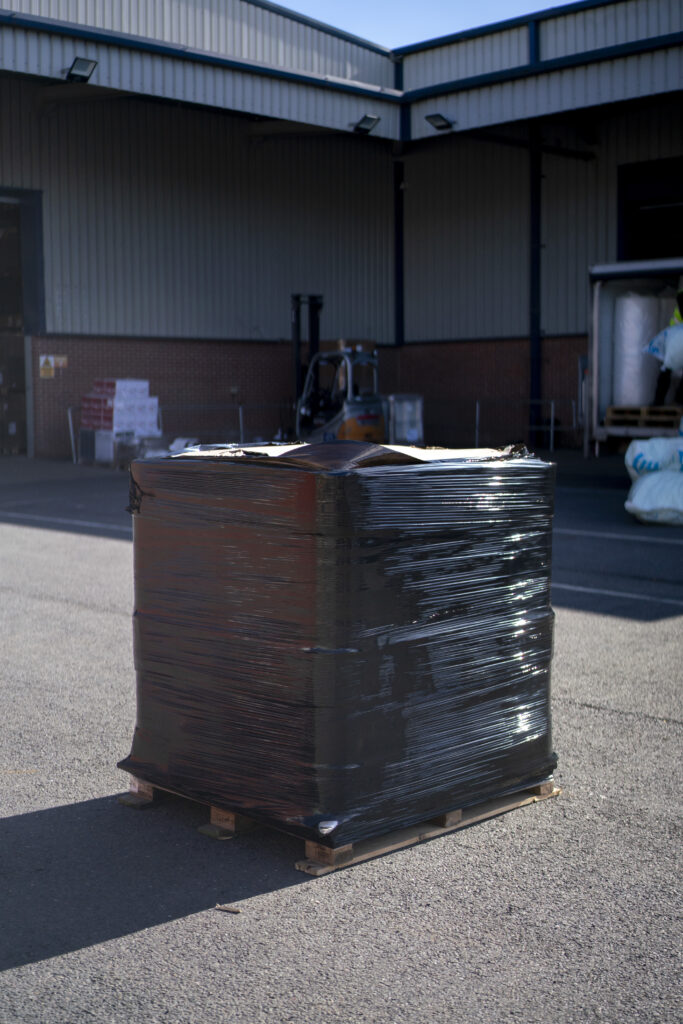
It’s also worth considering how the pallet is wrapped. Optimising the wrapping pattern, film tension and number of rotations can help reduce unnecessary film usage.
For businesses wrapping pallets regularly, reviewing film consumption per pallet can highlight opportunities to improve efficiency and reduce packaging costs
Other Specialist Pallet Wrap Options
Hand and machine pallet wrap cover many everyday applications, but there are other specialist options available depending on what you’re securing.
Spiral Wrap
Best for long, narrow, bundled or awkward products.
Spiral wrap is designed to secure individual products, bundles or specific sections of a load rather than wrapping an entire pallet.
Its narrower format makes it useful for applications where full-width pallet wrap isn’t necessary.
It’s particularly suited to securing products such as lengths of timber, pipes, profiles and other long or awkward items.
When choosing spiral wrap, consider the width, thickness and level of containment required for the products being secured.
Coloured and Tinted Pallet Wrap
Best for identification, segregation or concealment.
Coloured and tinted pallet wrap can help businesses differentiate loads, identify products or provide greater discretion over pallet contents.
Different colours can be used to distinguish between departments, destinations, product types or batches.
Depending on the film and its opacity, tinted wrap can also make the contents of a pallet less visible.
Consider whether visibility, identification or concealment is the main priority when choosing a coloured film.
Pallet Wrap at a Glance
Pallet wrap | Best for | When to choose it |
Hand pallet wrap | Manual pallet wrapping | Lower or varying pallet volumes and mixed loads |
Blown hand pallet wrap | More demanding manually wrapped loads | When you need good stretch alongside puncture and tear resistance |
Machine pallet wrap | High-volume pallet wrapping | When wrapping pallets continuously using machinery |
Nanofilm | Reducing material usage | When looking to optimise film consumption while maintaining performance |
Spiral wrap | Bundling long or awkward products | When securing specific products or sections rather than a complete pallet |
Coloured/tinted wrap | Identification and concealment | When loads need to be differentiated or contents made less visible |
And What About Microns?
Micron (Mu) | What it tells you | What it doesn’t tell you |
12Mu | The film is 0.012mm thick | It doesn’t automatically mean the film is weaker |
17Mu | The film is 0.017mm thick | It doesn’t automatically make it the right choice for a heavier load |
23Mu | The film is 0.023mm thick | It doesn’t automatically mean better performance |
Remember: micron tells you the thickness of the film, not the complete story of how it will perform.
Stretch, puncture resistance, tear resistance, load retention and the construction of the film all matter too.
Quickest Way to Choose
Wrapping manually? → Hand pallet wrap.
Need greater puncture and tear resistance? → Consider blown hand pallet wrap.
Wrapping high volumes by machine? → Machine pallet wrap.
Want to reduce film consumption? → Consider nanofilm.
Bundling long or awkward products? → Spiral wrap.
Need to identify or conceal loads? → Coloured or tinted wrap.
Looking for greater clarity and quieter unwinding? → Consider cast pallet wrap.
Finding the Right Pallet Wrap for Your Business
Choosing pallet wrap isn’t simply about selecting a thickness or finding the cheapest roll.
It’s about understanding your products, wrapping process and the level of load stability and protection you need.
The right film specification can help improve wrapping efficiency, reduce unnecessary material consumption and keep pallet loads secure during storage and transportation.
At KB Packaging, we supply a range of hand, machine and specialist pallet wrap options to suit different loads and wrapping requirements.
Whether you’re looking to improve pallet stability, increase wrapping efficiency or reduce film consumption, choosing the right film is an important part of getting the best performance from your packaging.
Explore the pallet wrap range at KB Packaging or contact our team for help finding the right solution for your business.