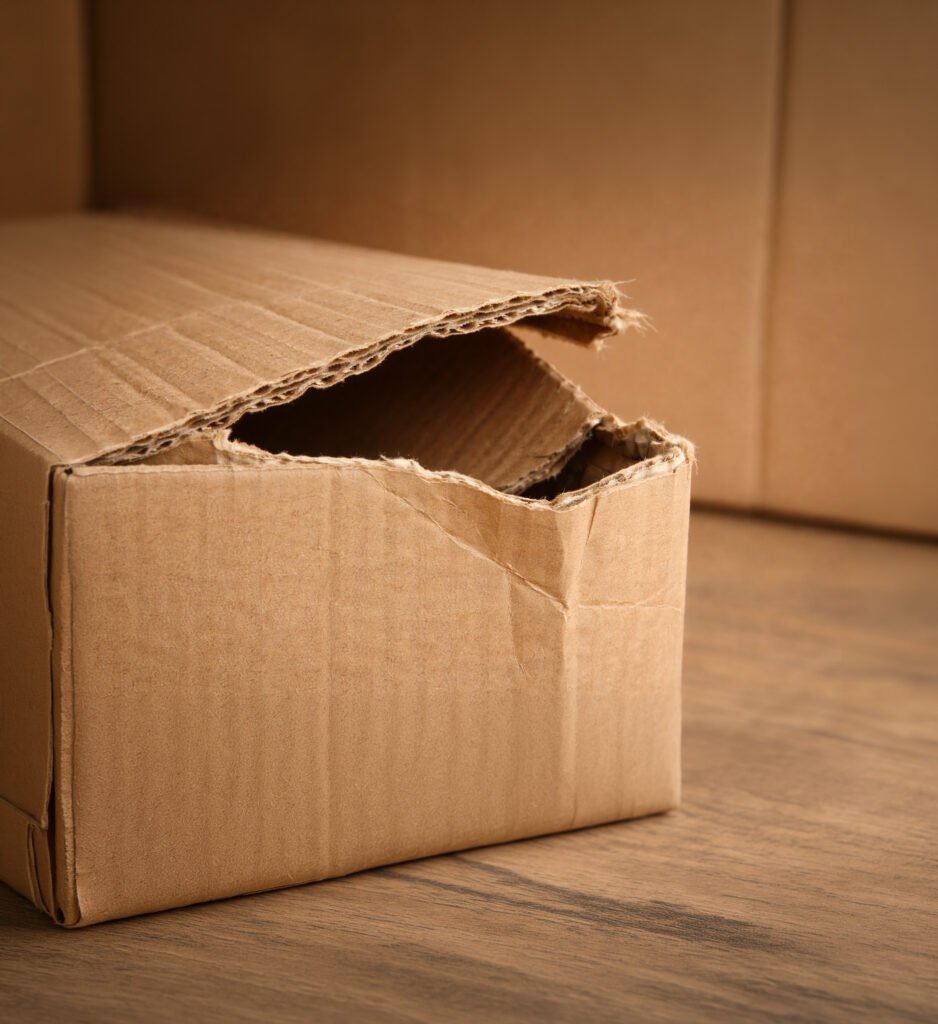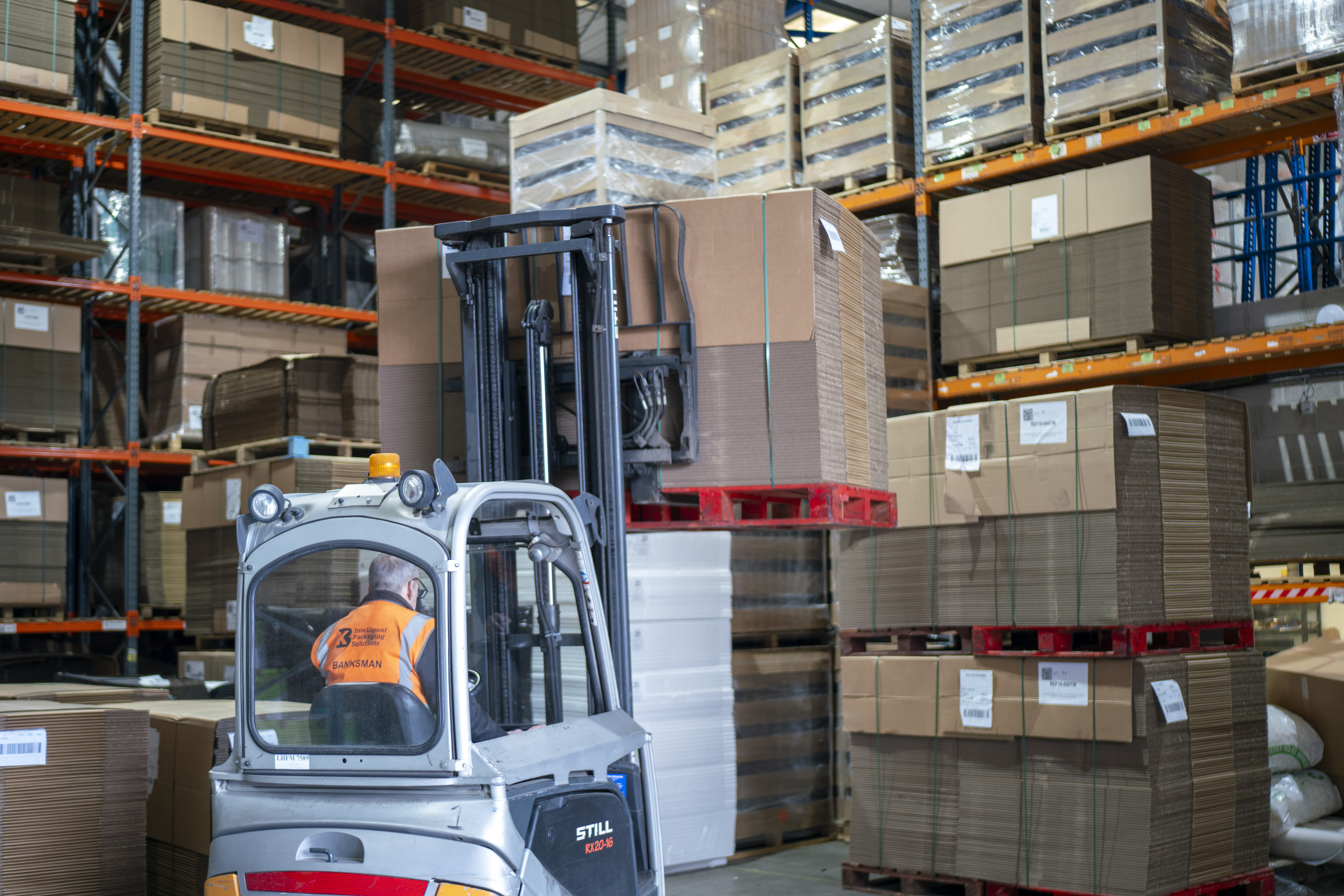
When products arrive damaged, the cost goes far beyond replacing the item. Returns, rework, customer complaints, and operational disruption can all have a significant impact on your business.
While delivery is often blamed, packaging damage usually starts much earlier. Decisions around packaging design, material selection, packing methods, and load stability all influence how well products withstand the journey.
Understanding where packaging fails is the first step towards preventing damage. This guide explores the most common causes of transit damage and outlines practical ways to reduce the risk.
1. Packaging Isn't Designed for Real Transit Conditions
As products move through the supply chain, they experience far more than a simple journey from A to B. Parcels and pallets regularly face:
- Sudden movement and impacts
- Vibration over long distances
- Stacking pressure from other shipments
- Repeated handling at multiple stages
These conditions put packaging under constant stress. As a result, even minor weaknesses can lead to damaged goods before they reach the customer.
How to prevent it:
- Choose packaging based on real handling conditions, not ideal scenarios
- Consider how many “touchpoints” your product goes through
- Test packaging under realistic pressure (not just at the packing bench)
2. The Packaging Was Never Fit for Purpose
In many cases, damage occurs because the packaging simply doesn’t suit the product or process.
Common issues include:
- Materials that lack the required strength
- Packaging that doesn’t fit the product correctly
- Designs that don’t support high-volume packing operations
Consequently, products receive less protection, increasing the likelihood of damage, returns, and replacement costs.
How to prevent it:
- Design packaging around the product’s size, weight, and fragility
- Review packaging performance regularly as products and volumes change
- Challenge long-standing packaging choices rather than relying on default solutions
3. Products Move Inside the Box
Product movement is one of the most overlooked causes of transit damage.
When products shift during transport, they:
- Absorb more impact
- Strike the walls of the box
- Create additional stress points in the packaging
As a result, even a well-sealed box can fail if the contents aren’t properly secured.
How to prevent it:
- Hold products firmly in place during transit
- Use structured internal protection rather than simply filling empty space
- Prioritise product stability, not just void fill
4. Packaging Processes Break Down Under Pressure
Even the best packaging can fail when packing processes become inconsistent.
During busy periods, businesses often encounter:
- Rushed packing
- Inconsistent use of materials
- Shortcuts or missed packing steps
Consequently, this can lead to:
- Poor sealing
- Inconsistent product protection
- Higher damage rates
Over time, process-related issues can undermine the effectiveness of otherwise suitable packaging.
How to prevent it:
- Standardise packing procedures across teams
- Reduce reliance on individual judgement where possible
- Choose packaging formats that support both speed and consistency
5. Load Stability Issues Affect Larger Shipments
For palletised shipments, load stability plays a critical role in protecting products throughout transit.
Loads must withstand:
- Braking and cornering forces
- Uneven weight distribution
- Movement during transportation
If products shift or loads become unstable, damage can occur long before delivery.
How to prevent it:
- Distribute weight evenly across the pallet
- Build loads with transit conditions in mind, not just warehouse storage
- Monitor shipment performance and identify recurring issues
6. Small Problems Become Bigger Issues
Damage rarely stems from a single major failure.
Instead, businesses often experience a series of smaller issues, such as:
- Slightly oversized packaging
- Inconsistent material usage
- Minor handling problems
- Poor packing habits
Although each issue may seem insignificant, they can gradually increase:
- Damage rates
- Returns and rework
- Operational costs
Over time, these inefficiencies add up and begin affecting both customer satisfaction and profitability.
How to prevent it:
- Review damaged deliveries and identify recurring trends
- Monitor packaging performance regularly
- Make continuous improvements as products, volumes, and operations evolve
Packaging damage rarely begins during transit itself. More often, it results from packaging decisions, packing processes, or load stability issues that occur much earlier in the supply chain.
By designing packaging for real-world conditions, improving consistency, and regularly reviewing performance, businesses can reduce damage, improve customer satisfaction, and lower the hidden costs associated with returns and replacement shipments.