Steel Crash Barrier Systems
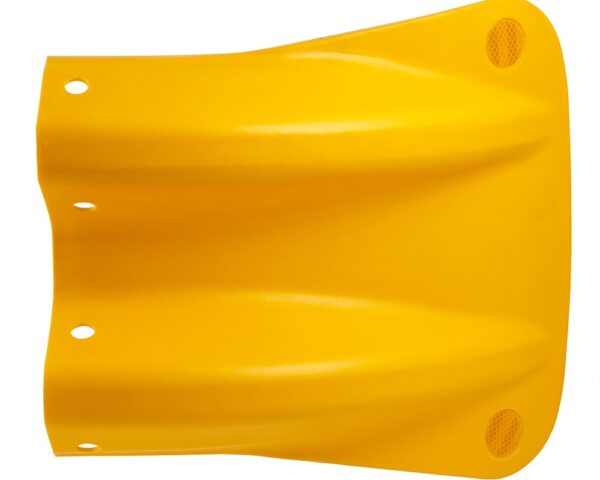
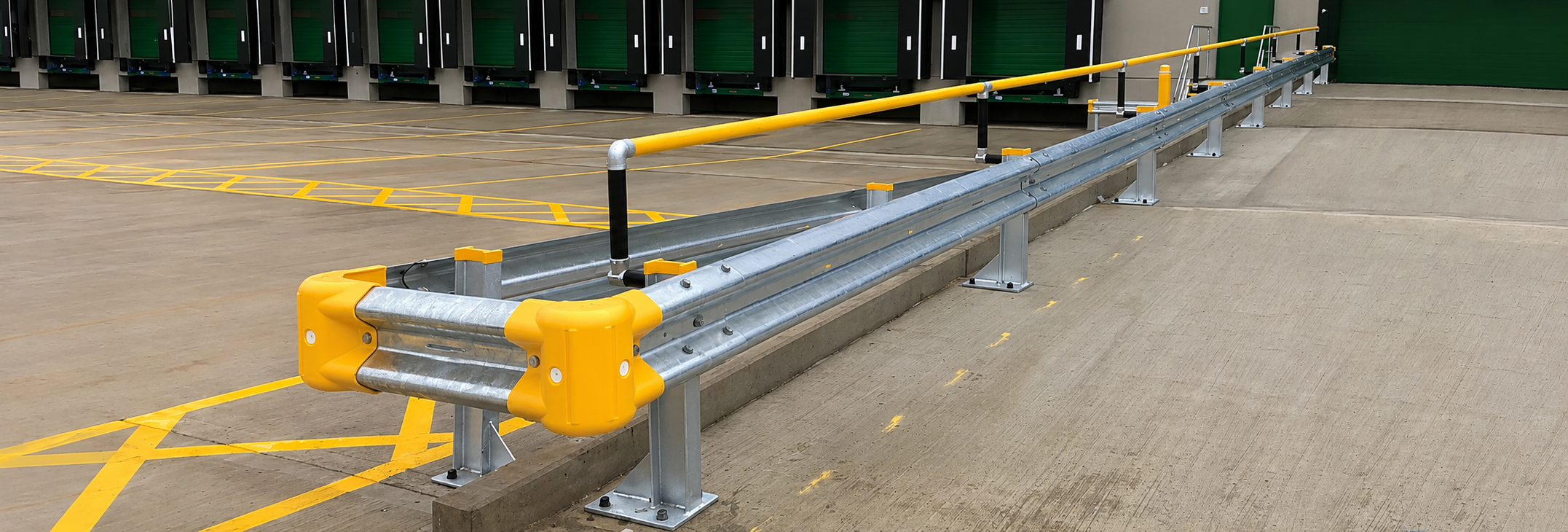
Steel Crash Barrier Systems provide a robust and practical solution for protecting people, machinery, warehouse infrastructure and vulnerable operational areas within busy industrial environments. Warehouses and factories often have forklifts, pallet trucks and other material handling equipment operating close to pedestrian routes, machinery, racking and building structures. A properly planned crash barrier system creates a physical protective boundary around these vulnerable areas and forms an important part of a wider warehouse safety and traffic management strategy. At KB Packaging, we supply a modular range of Warehouse Steel Crash Barrier Systems designed for commercial and industrial applications. Individual steel beams, support posts, end sections and connecting components allow customers to create barrier runs suited to their particular warehouse layout and protection requirements.
Warehouse Steel Crash Barriers
Warehouse steel crash barriers are commonly used in areas where vehicles operate close to equipment, infrastructure and pedestrian zones. Rather than relying solely on floor markings or signage, a physical steel barrier provides a visible protective boundary around areas that require additional protection. Typical warehouse applications include protecting:
-
-
-
-
-
-
-
-
-
-
Plant and industrial equipment
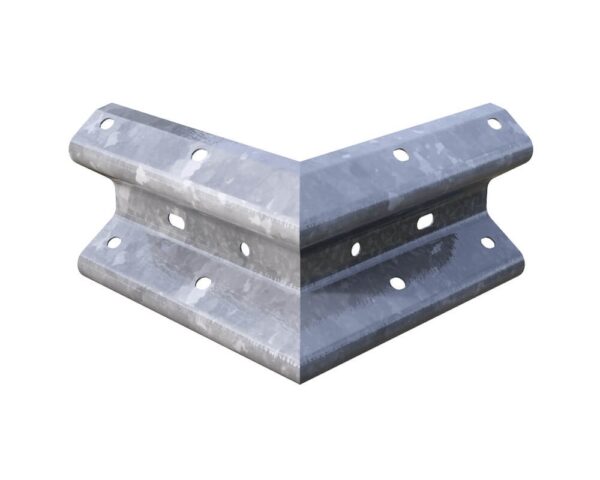
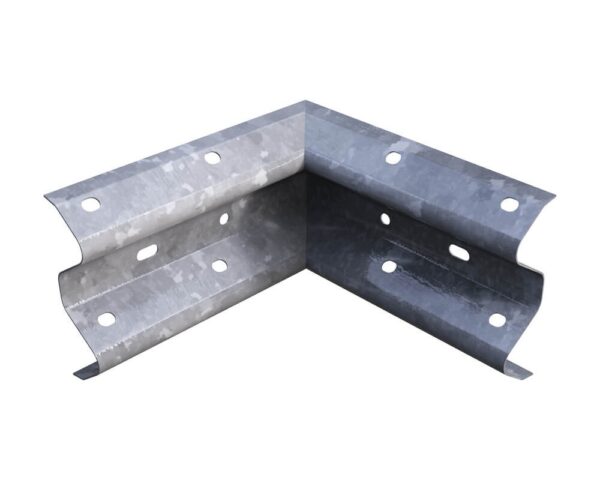
The modular nature of the system allows protection to be installed around straight runs, corners and changes in direction using the appropriate barrier components.
Industrial Crash Barrier Systems
Industrial crash barrier systems are suitable for a wide range of commercial environments where vehicle movement is a regular part of daily operations. Factories, logistics centres and manufacturing facilities often contain valuable machinery and infrastructure positioned close to forklift routes. Installing suitable crash barriers around vulnerable assets can help create a defined separation between vehicle operating areas and protected equipment. Common applications include:
The correct barrier configuration should always be selected according to the layout of the site and the protection required.
Modular Steel Crash Barrier System
One of the main advantages of a modular steel crash barrier system is the flexibility it provides during installation. Instead of requiring a bespoke fabricated barrier, individual components can be combined to create runs of different lengths and layouts. Depending on the configuration, a complete crash barrier system may include:
-
Steel crash barrier beams
-
-
-
-
-
-
-
-
-
This modular approach makes it easier to configure a barrier system around warehouse layouts, machinery and operational areas.
Steel Crash Barrier Beams
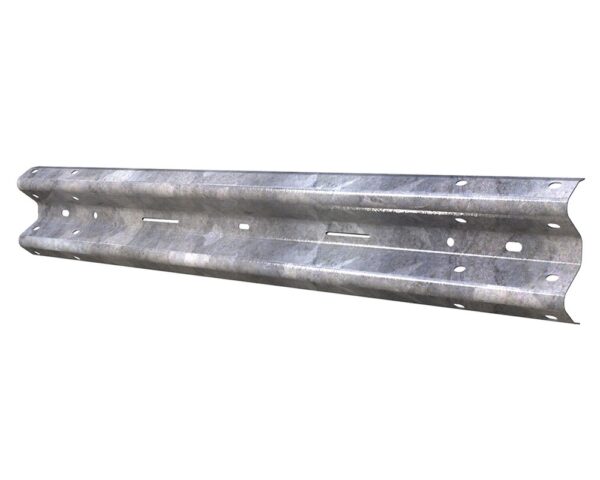
The steel beam forms the main horizontal protection element of the crash barrier system. Barrier beams create the physical protective rail running alongside machinery, walkways, walls or other vulnerable infrastructure. Multiple beams can be connected together using compatible support posts and joining components to create longer continuous barrier runs where required.
Crash Barrier Support Posts
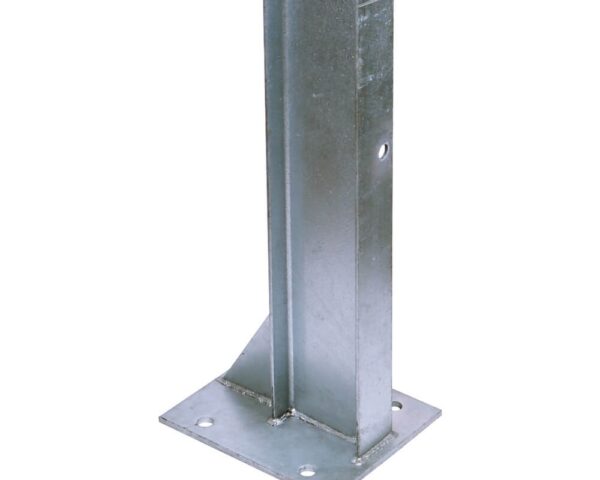
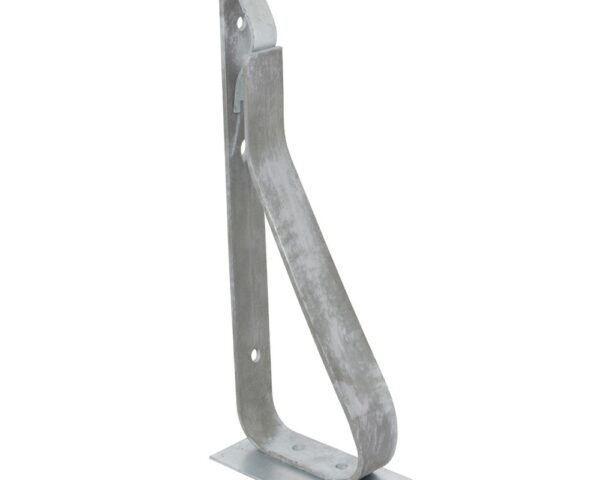
Support posts provide the vertical structural support for the barrier system. Posts are positioned at the required intervals according to the specific barrier configuration and manufacturer’s installation requirements. Different post arrangements may be used for straight sections, corners, ends and changes in barrier layout.
Warehouse Crash Barrier End Sections
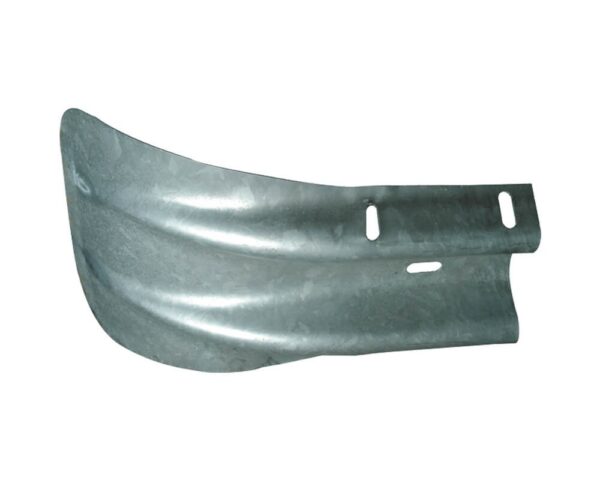
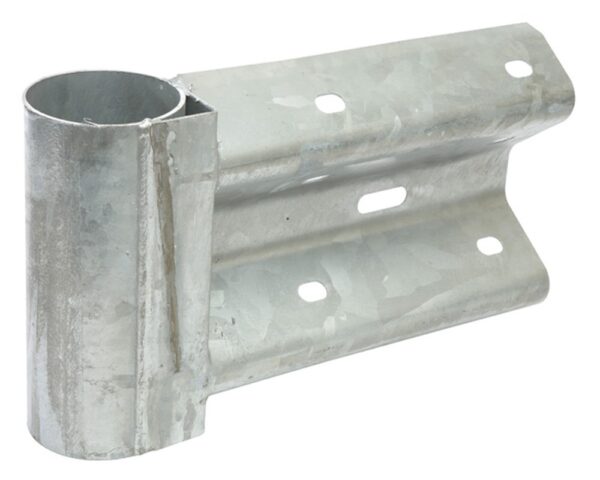
End sections provide a neat termination to the crash barrier system. Depending on the system design, different end components may be available to complete the installation and suit the required layout. These components allow the barrier to finish cleanly at the end of a protected run while maintaining compatibility with the modular system.
Forklift Protection Barriers
Forklifts are essential within warehouses and industrial facilities, but they also create the potential for accidental impacts around machinery, racking and building infrastructure. Steel crash barriers are commonly installed around areas where forklifts operate close to fixed assets, creating a physical protective boundary between vehicle routes and vulnerable equipment. Applications can include protecting:
For forklift protection applications, the suitability of the selected crash barrier should always be assessed against the expected vehicle type and operating environment.
Crash Barriers for Warehouse Infrastructure
Warehouse buildings contain many areas that are vulnerable to accidental vehicle contact. Steel crash barriers can be positioned around infrastructure to create an additional line of protection. Typical areas include:
Creating protected zones around important infrastructure can help separate vehicle routes from fixed assets within busy operational environments.
Steel Crash Barriers for Machinery Protection
Manufacturing and production equipment can represent a significant investment for businesses. Crash barriers can be installed around machinery and processing equipment to create a clearly defined protective perimeter where warehouse vehicles operate nearby. Suitable applications include:
Where protection is required around expensive machinery, the crash barrier should be planned alongside access requirements and maintenance routes.
Crash Barrier Systems for Pedestrian Areas
Although crash barriers are primarily associated with protecting infrastructure from vehicle movement, they can also contribute to creating clearly defined pedestrian zones. In warehouse environments, pedestrian walkways may run alongside forklift routes or loading areas. Steel crash barriers can help establish a physical separation between these areas when incorporated into an overall warehouse traffic management plan. They should be used alongside other appropriate safety measures including:
-
-
-
Designated pedestrian routes
-
Controlled crossing points
-
Traffic management procedures
-
Workplace risk assessments
Steel Crash Barrier vs Steel Handrail
It is important to select the correct product for the intended application. KB Packaging supplies both Warehouse Steel Handrail Systems and Warehouse Steel Crash Barrier Systems, but they serve different purposes.
If the objective is pedestrian segregation, a warehouse handrail system may be the appropriate choice. If the objective is protecting equipment and infrastructure from vehicle impacts, a purpose-designed steel crash barrier system should be considered.
Steel Crash Barrier vs GRP Handrail
GRP handrails and steel crash barriers also serve very different functions. GRP handrail systems are ideal for walkways, platforms and pedestrian access areas where corrosion resistance and lightweight construction are beneficial. Steel crash barriers are intended for applications where robust physical protection around warehouse infrastructure is required.
Choosing the Right Steel Crash Barrier System
Before selecting a crash barrier system, consider the following factors.
What needs protecting?
Identify whether the barrier is intended to protect machinery, racking, walls, columns, pedestrian areas or another fixed asset.
What vehicles operate nearby?
Consider forklifts, pallet trucks, reach trucks and other material handling equipment operating within the area.
What layout is required?
Measure the total barrier length and identify corners, ends and changes in direction.
How will it be mounted?
Confirm the installation surface is suitable for the proposed posts, base plates and fixing arrangement.
What level of protection is required?
Barrier selection should be based on the specific application and the manufacturer’s technical specifications for the chosen system.
Planning a Warehouse Crash Barrier Installation
A modular crash barrier system can be planned around the layout of your warehouse or industrial facility.
1 Measure the protected area
Record the total length of barrier required.
2 Identify corners and ends
Determine where end sections or changes in direction are required.
Choose the appropriate post configuration for the layout.
4 Confirm mounting locations
Ensure the supporting surface is suitable for installation.
5 Review warehouse traffic
Consider forklift routes and operational movement around the protected area.
6 Confirm the final system
Check the complete barrier configuration against your project requirements before installation.
Benefits of Steel Crash Barrier Systems
-
Robust steel construction for industrial environments
-
Modular components for flexible layouts
-
Suitable for warehouses and factories
-
Protects vulnerable infrastructure
-
Helps define protected operational zones
-
Ideal for forklift operating environments
-
Suitable for machinery and equipment protection
-
Can be configured around different layouts
-
Available as individual barrier components
Warehouse Steel Crash Barrier Systems from KB Packaging
KB Packaging supplies Warehouse Steel Crash Barrier Systems to businesses throughout the UK. Our modular crash barrier range provides a practical solution for protecting warehouse infrastructure, machinery, production equipment and vulnerable operational areas where vehicle movement is present. Whether you require a straight warehouse barrier run, protection around machinery, forklift protection for infrastructure or a modular steel crash barrier system for an industrial facility, our range of components allows the system to be configured around your project requirements. Browse the Warehouse Steel Crash Barrier Systems above or contact KB Packaging if you require assistance selecting the appropriate barrier components for your installation.
Frequently Asked Questions
What are steel crash barrier systems used for?
Steel crash barrier systems are used to provide physical protection around machinery, warehouse infrastructure, racking, walls and other vulnerable areas where industrial vehicles operate.
Are crash barriers suitable for warehouses?
Yes. Steel crash barriers are widely used in warehouses, factories, logistics centres and industrial facilities to protect infrastructure and create protected operational areas.
Can crash barriers protect against forklifts?
Crash barriers are commonly used in forklift operating environments, but the correct system must always be selected according to the expected vehicle type, operating conditions and manufacturer’s specifications.
What is the difference between a crash barrier and a handrail?
A handrail is primarily intended for pedestrian guidance and access protection, while a crash barrier is designed for protecting infrastructure and equipment in vehicle operating areas.
Can steel crash barriers be configured around corners?
Yes. Modular crash barrier systems can normally be configured around straight runs and changes in direction using compatible posts, joining sections and corner components.
Are crash barrier systems suitable for factories?
Yes. They are commonly used throughout manufacturing and industrial facilities to protect machinery, plant equipment and building infrastructure from accidental vehicle contact.